
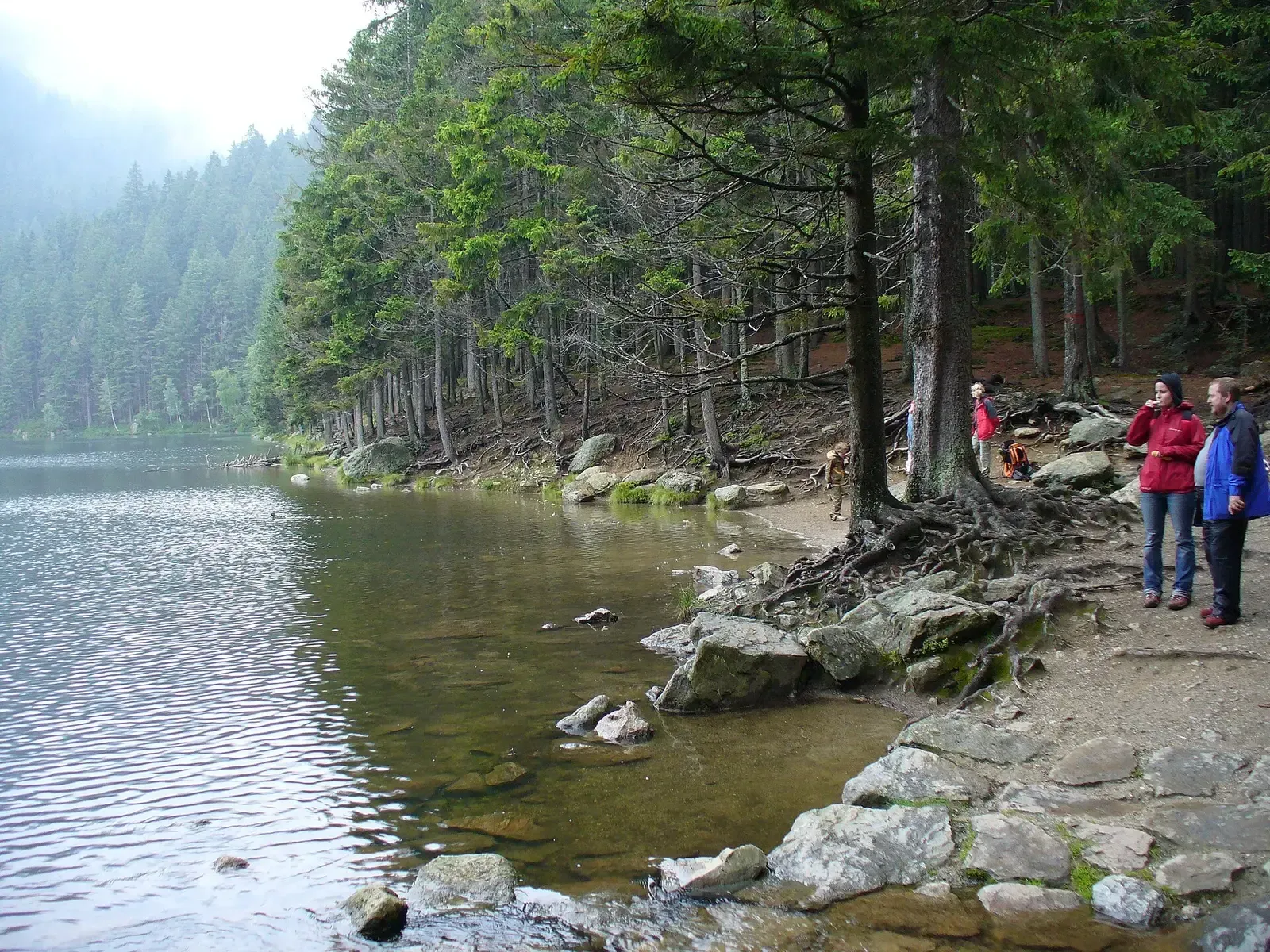
The mist hanging over the Špičák trailhead smelled specifically of wet granite and rotting spruce needles, thick enough that I could barely see my own boots. It was 6:30 in the morning. I adjusted my pack in the damp cold while everyone else down in Železná Ruda was still asleep. The Bohemian Forest demands this kind of timing if you want to see what it actually looks like without the crowds.
My target was Čertovo jezero, Devil’s Lake. The climb up from the valley floor is steep and dead quiet, broken only by boots hitting wet roots. Šumava does not build gentle switchbacks for casual walkers. It is an old, hard stretch of rock and timber that ignores human comfort entirely, which is exactly why the hike is worth the burn in your calves.
A Continental Divide Under Your Boots
Halfway up the trail, a weathered wooden marker notes the primary European watershed. I emptied the last few drops from my water bottle onto the dirt to test the physics. Depending on which side of the invisible line that water hit, it would either bleed into the Vltava and wash out into the North Sea, or slide down toward the Danube and end up in the Black Sea.
Devil’s Lake sits on the southern side of that divide. It drains into the Řezná river, pulling away from the rest of the Czech Republic. The geography here forces the Norway spruce and silver fir to grow in dense, suffocating clusters. The wood swallows sound completely. You find yourself whispering to nobody.
During the Cold War, this specific stretch of Šumava sat inside the forbidden border zone behind the Iron Curtain. For forty years, these lakes only existed for armed guards. The soil feels different because of it. The forced isolation allowed the timber to grow wild and thick, erasing old logging paths and leaving a forest that recovered by force rather than by conservation.
The Dead Water Surrounding Jezerní Hora
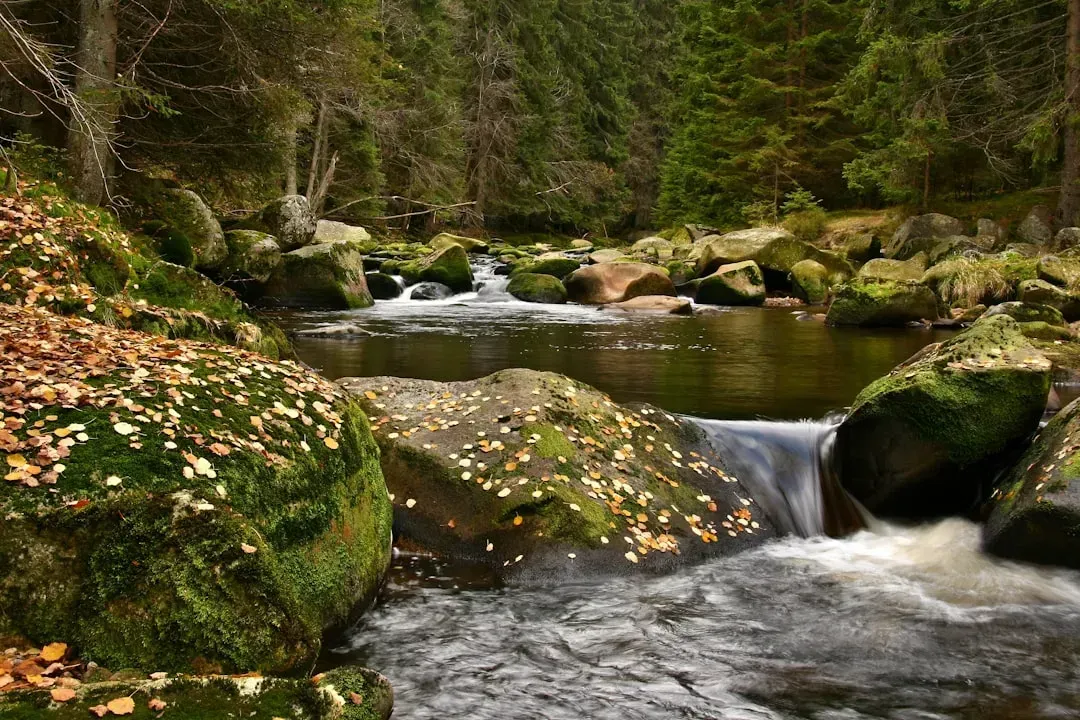
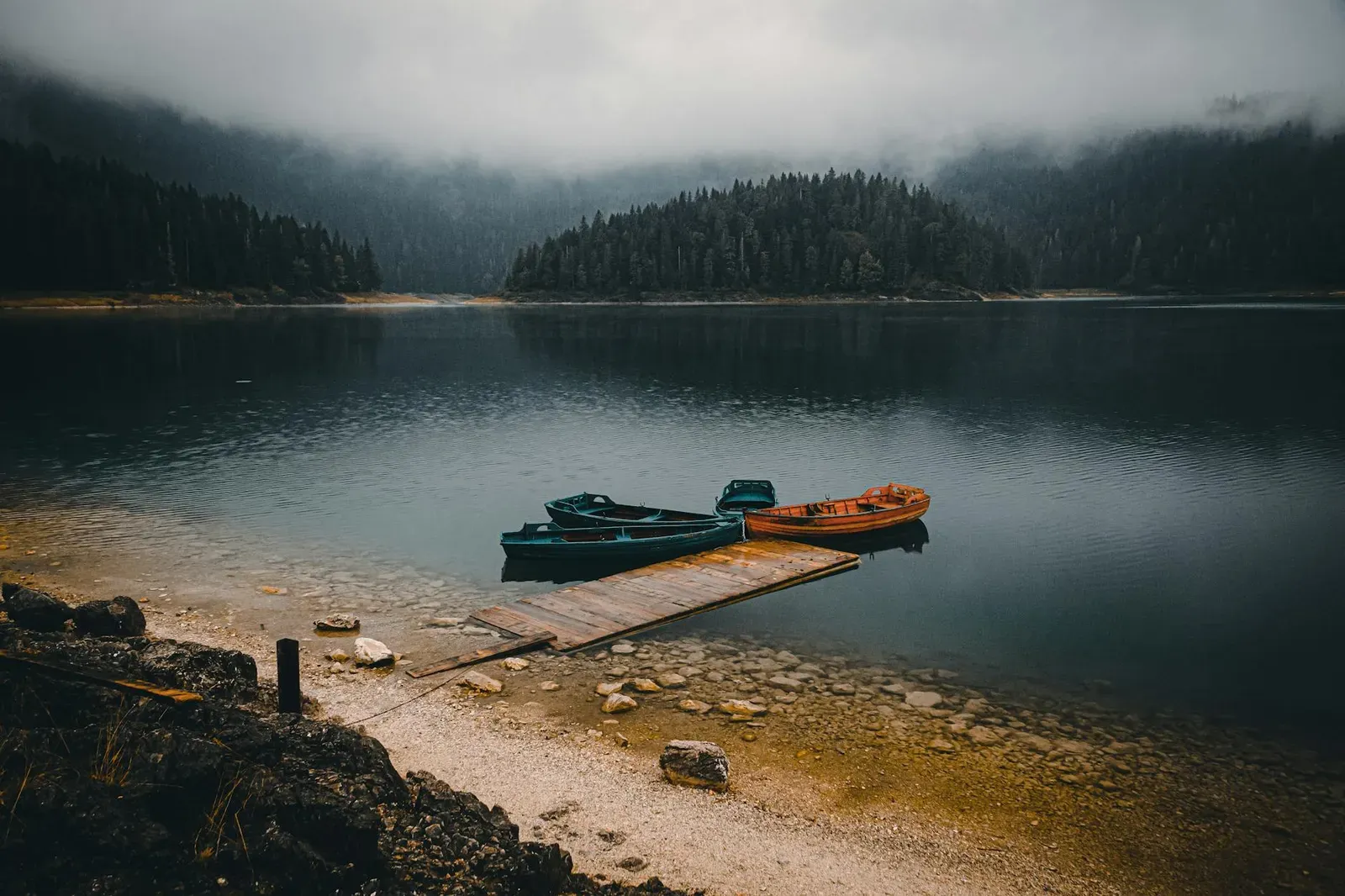
The mist finally broke at the shoreline. Čertovo jezero is not a place for swimming. The water is an aggressive, inky charcoal. It is highly acidic, meaning no fish break the surface and no algae softens the edges. It sits dead still against the 300-meter glacial walls of the Jezerní hora mountain.
I dragged my pack onto a slab of wet moss. At 37 meters down, this is the deepest water in Šumava, carved by a glacier that scraped out this granite bowl thousands of years ago. The sheer drop of the rock face above creates a constant chill, even in mid-summer.
Ten minutes later, a man named Frantisek walked out of the tree line. He wore a heavy wool cap that smelled like woodsmoke and carried a hiking pole filed down by asphalt and rock. He left the region in the 1970s and bought a cabin down the road the year the borders opened. We sat watching the black water.
"The legend is literal," he said, skipping the small talk. "A devil tried to drop a boulder on a girl who rejected him, caught his own tail under the rock, and fell in. He dug this crater trying to claw his way out. The water swallowed him. That is why nothing lives in it."
He pointed his pole at the center of the lake. "Nobody from the villages comes up here after four. The shadows hit the water, the temperature drops ten degrees, and your brain starts playing tricks on you."
What the Cold War Left Behind
Šumava forces you to look at its scars. Before the barbed wire cut Europe in half, these mountains drove a massive glass-making economy. Men pulled silica from the poor soil and worked through winters that regularly buried the ground floors of their timber houses.
Frantisek mentioned his grandfather, who walked across the border to Bavaria every Sunday before the war. The trees did not care about passports. Then the military arrived, bulldozed entire villages, and strung electric wire through the pines. The wire is gone, but you can still find the foundations of those destroyed houses if you look for piles of stone that are too square to be natural. Access to this shoreline is a geographic privilege, handed back only in 1989.
The Cost of Stepping Off the Trail
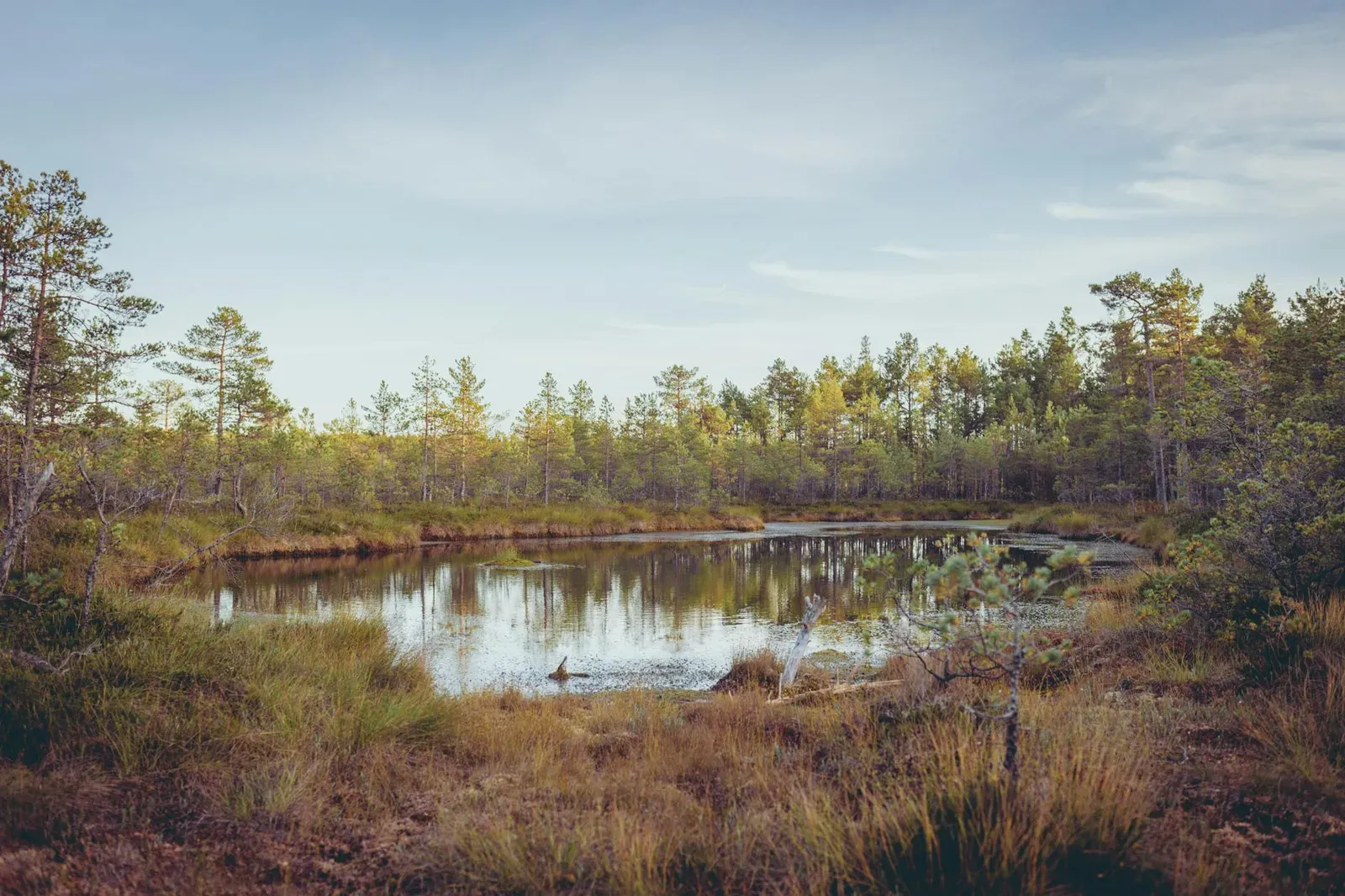
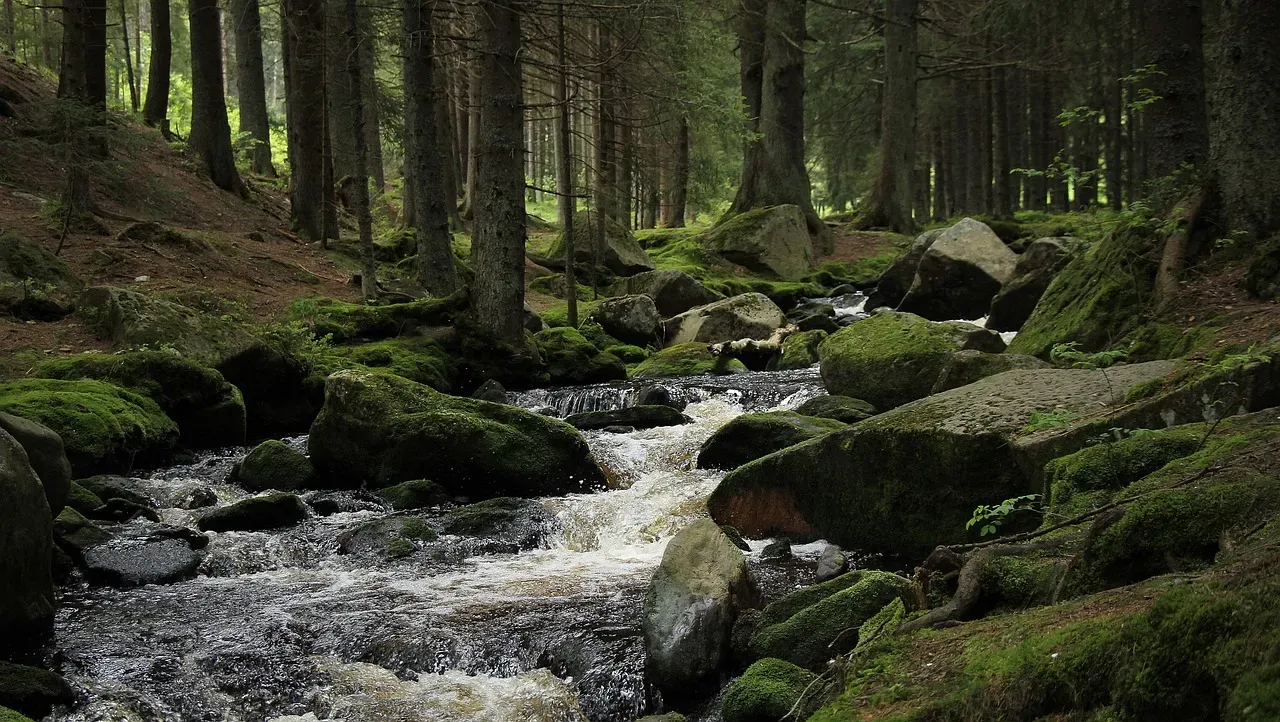
I walked the marked perimeter trail after Frantisek headed down. The national park strictly enforced the boundaries here. The topsoil is incredibly thin, clinging to ancient rock, and the vegetation barely survives the winter freeze. Stepping off the path to get a better photo crushes root systems that take a decade to grow back.
Around 10am, the sun finally cleared the ridge. The black water flashed a harsh, metallic slate for about sixty seconds before the clouds closed in again. You have to wait for these moments. If you treat the lake as a checklist item to sprint past, you get nothing but tired legs.
The weather in Šumava ignores forecasts. You can start walking in a t-shirt and find yourself freezing in mountain rain twenty minutes later. The sheer unpredictability forces you to pay attention to the sky.
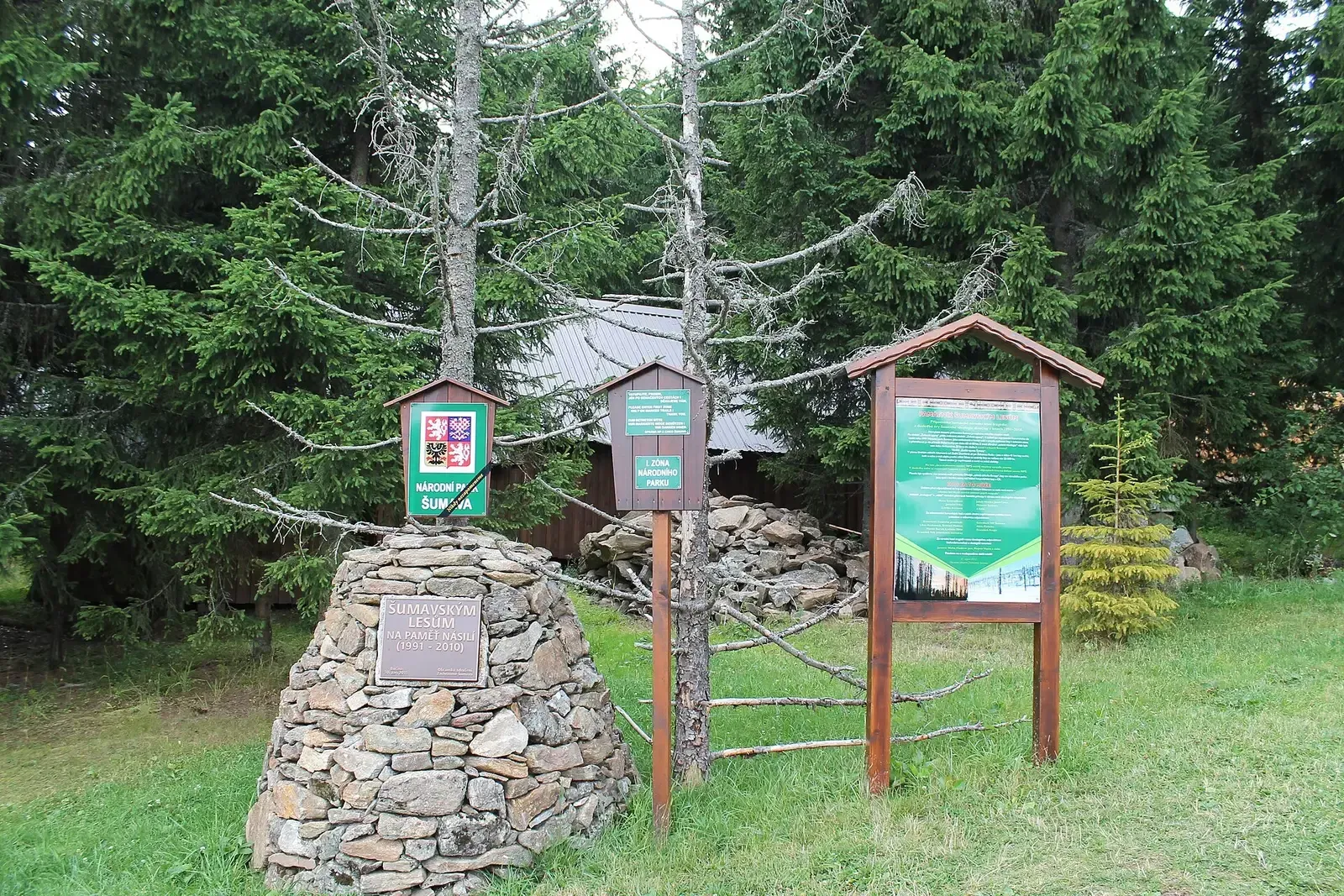
The Threat Is No Longer the Iron Curtain
I passed six separate groups of hikers on my way down to the Špičák saddle. The threat to these mountains has shifted. The military patrols are history. The glass furnaces shut down decades ago. The only real danger to Čertovo jezero now is foot traffic.
When you climb up there, pick up your trash. Skip the loud music. Buy your post-hike beer at one of the independent pubs in Železná Ruda, where the bartenders still remember the names of the people who used to live in the vanished villages. Look at the water and understand exactly how much history it took to keep it this empty.
Jan's Pro-Tip: The Linear Route to Špičák
Do not park directly at the trailhead. Leave your car a few towns over and take the regional bus to Špičák. This forces a linear hike. You will descend through completely different topography instead of staring at the exact same rocks you just climbed. It saves your knees on the descent and drops you right near a train station for an easy ride back.