
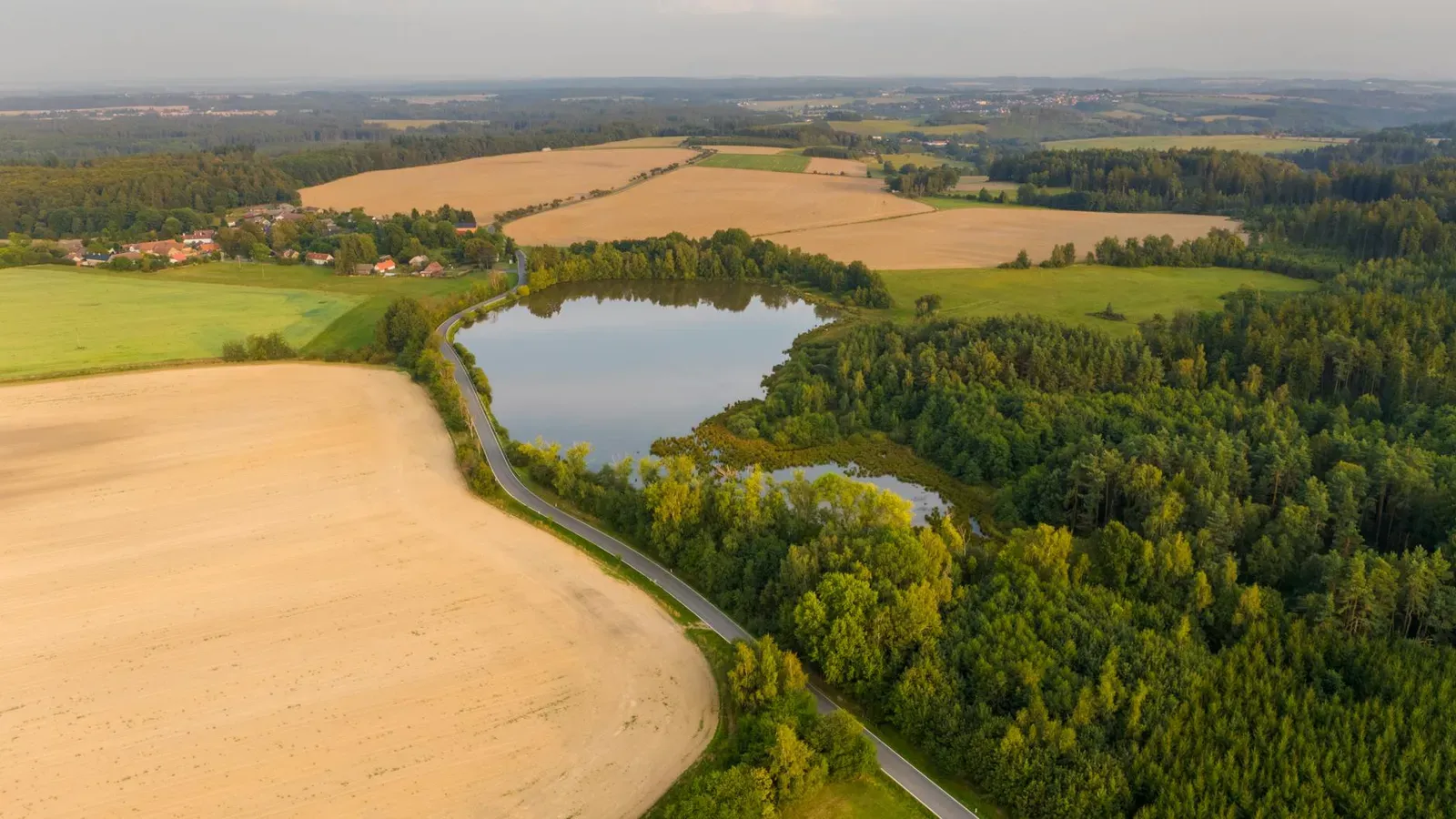
There are exactly two significant alum lakes on earth. One sits in a remote corner of Canada. The other is a sixteen-hectare flooded mine in Chomutov, a town that spent the 20th century blanketed by the heavy smog of Czechoslovak coal production. I stepped off the afternoon train into a 35-degree heatwave, ignoring the usual tourist routes south to the Vltava river. I came north to swim in a vat of natural astringent.
You smell Kamencové jezero before you see the water. It lacks the damp, algae-heavy stench of a typical Central European summer pond. The air smells sharp, carrying a chemical tang that catches in the back of the throat, mixed with the dry grit of surrounding pine bark. I handed over a few crowns at the metal gate, walked out onto the massive wooden piers, and looked down into something biologically impossible.
Water That Rejects Life
Every Czech pond warms up by mid-August and turns into a thick green soup of cyanobacteria. Kamencové jezero stays brutally clear. Standing in the shallows, I could count the individual pale stones on the bottom three meters down. There are no fish hitting your ankles. No reeds tangling around your legs. Locals call it the Czech Dead Sea, not because of salt, but because the water's chemical makeup makes survival impossible for algae and aquatic life.
A man in his seventies sat on the edge of the pier. He possessed the dark, cured skin of someone who had spent seven decades baking in the Ore Mountain sun. I asked him why the water made my arms feel taut, like parchment drying in the wind.
He pointed at the lakebed. In the mid-1500s, this was a massive excavation site. Miners dug alum and sulfur out of the earth for two hundred years. When the operations finally stopped in the late eighteenth century, the pit flooded. The soil remained so saturated with minerals that the groundwater turned into a concentrated alum solution. That chemistry acts as a massive natural disinfectant. People ride buses across the country to submerge themselves here for muscle aches and skin conditions.
A 16-Hectare Industrial Accident
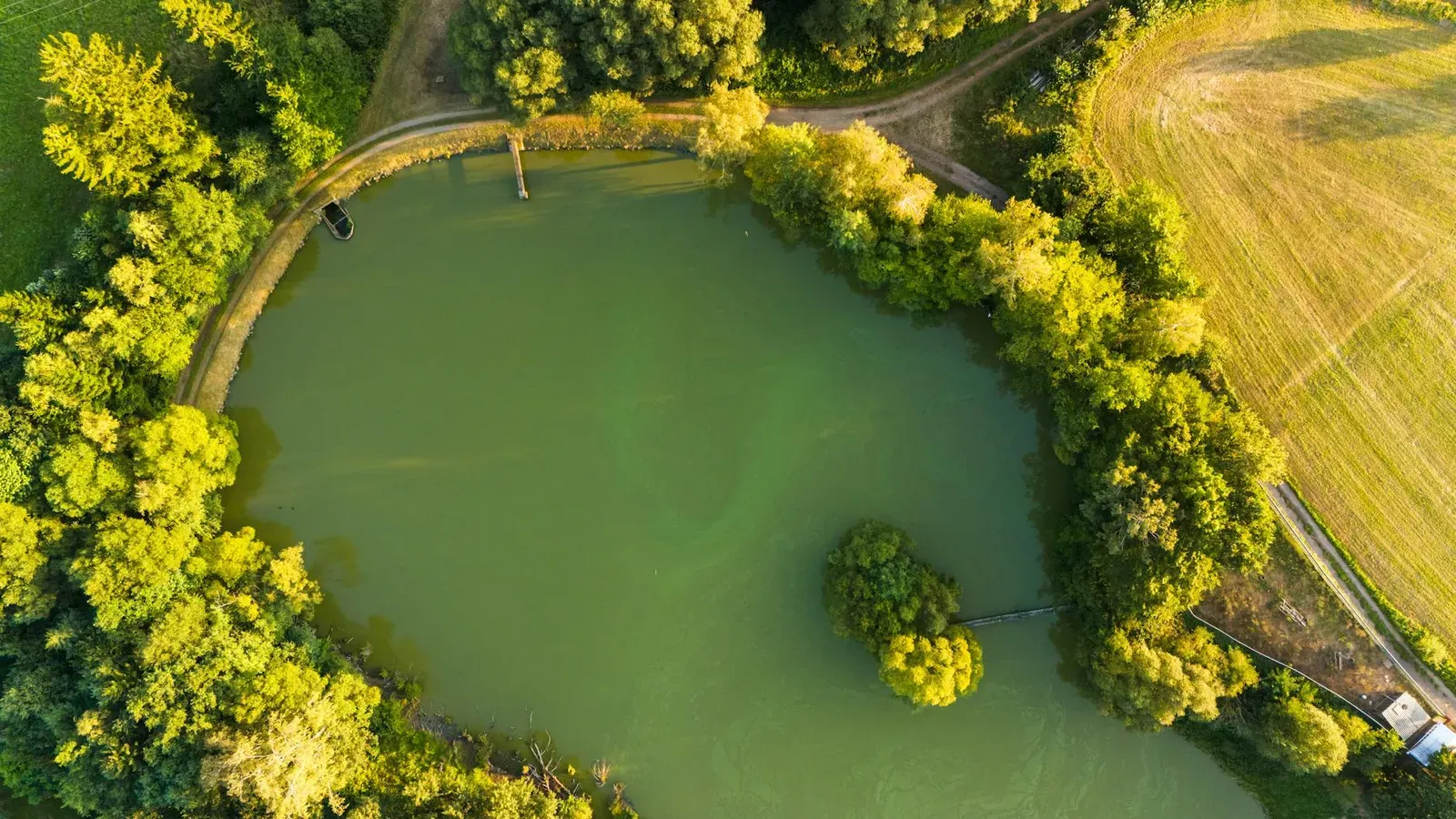
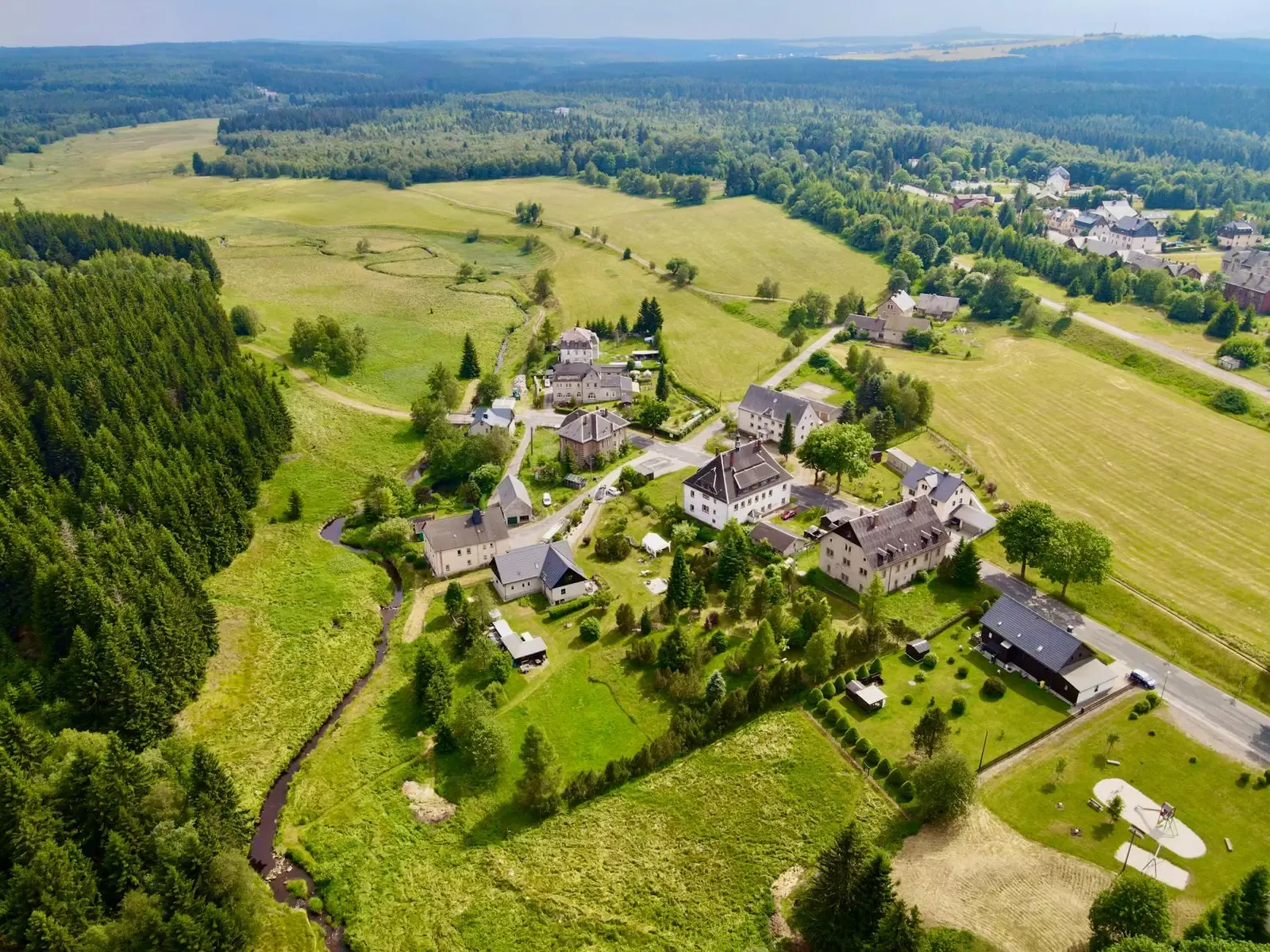
I walked the two-kilometer loop around the water in the late afternoon. The path cuts through dense, shaded trees that make you forget this entire landscape is an industrial byproduct. Jan Valerius Magni owned this mining company. He dug up the ground for materials to dye cloth and tan leather, not to build a swimming facility.
The pits flooded permanently by 1785. The sheer size of the accident holds your attention. Sixteen hectares of water sit here, reaching four meters deep in the center. Without plant decay or fish waste, the bottom remains as sterile as a bleached hospital floor.
I bought a glass of Kofola, the aggressively herbal Czech draft cola, from a wooden stand and watched teenagers throw themselves off the high diving boards. That geographical oddity should bring ticket lines and overpriced souvenir shops. Instead, it's just a cheap place for North Bohemians to escape the suffocating July heat.
What Replaced the Coal
Ten minutes from the shoreline sits the Podkrušnohorský zoopark. I walked over before the gates closed. It operates as one of the largest zoos in the country, but the layout ditches iron cages for open Euro-safari plains. They focus on animals native to the Palearctic region.
Watching bison stand in the grass, the contrast of modern Chomutov hits hard. Communism demanded coal, and this region provided it at the cost of its own lungs. Heavy smog defined the borderlands for forty years. Today, you can breathe without tasting sulfur. The Krušné hory rise in the background, repurposed for hikers rather than strip mining.
I stopped near the owl enclosures and spoke with a woman named Lenka, who was letting her terrier pull her down the gravel path. She pointed at the ridgeline. When she was young, the pine trees were coated in grey soot. Now they are green again. She comes to the lake on Saturdays, rarely swimming, just sitting on the bank. "The water is a void," she told me. "No frogs croaking. No fish breaking the surface. You just get the rush of wind through the pitch pines."
The Living Room of Chomutov
People in this region skip the performative customer service you get in central Prague. They speak bluntly, and they treat this lake as their communal backyard.
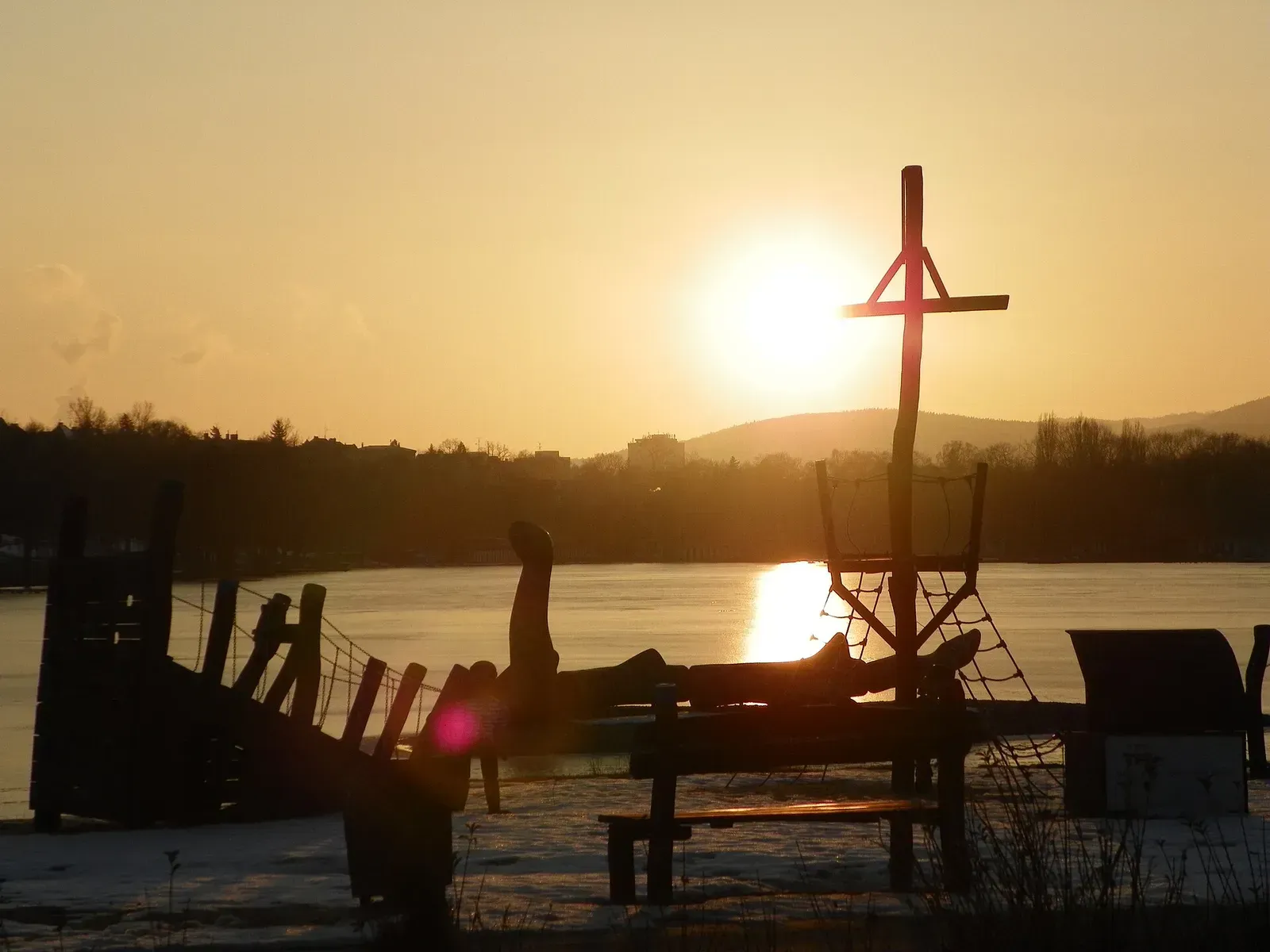
Summer weekends here run at a heavy, deliberate pace. The town screens outdoor films and hosts small concerts on the grass. Entire families drag heavy coolers and folding chairs to the shoreline on Friday afternoon and refuse to leave until the stars show up on the water's surface. Chomutov survived a brutal transition from heavy industry to a modern economy. Through the massive layoffs and factory closures of the 1990s, this strange, sterile pond remained the one place everyone could afford to go.
Keep the Chemistry Intact
I sat on the wooden planks until the sun dropped fully behind the mountains and the water shifted to a flat, heavy black. Kamencové jezero operates on a fragile chemical balance. Since it lacks fish and algae to filter impurities, the water's clarity relies entirely on the people getting into it.
Signs near the changing rooms tell you to shower before swimming. It's not a suggestion. Sunscreen, body oils, and soap residue can wreck a mineral balance that took three centuries to stabilize. Buy your beer from the guys working the small stalls, rinse off under the cold outdoor showers before you jump in, and don't yell when the sun goes down.
Northern Bohemia sacrificed its environment to power the country for decades. The least you can do is wash your sunscreen off before swimming in its history.
Jan's Pro-Tip
Skip the main beach area when you first arrive. Walk the full two-kilometer perimeter path before 9:00 a.m. You will spot the rusted, overgrown remnants of the 18th-century mining operations in the woods. Along the far side, you will also find a stretch of small wooden docks built by the locals. They offer a quiet place to sit with your feet in the water, far away from the screaming kids at the diving boards.