
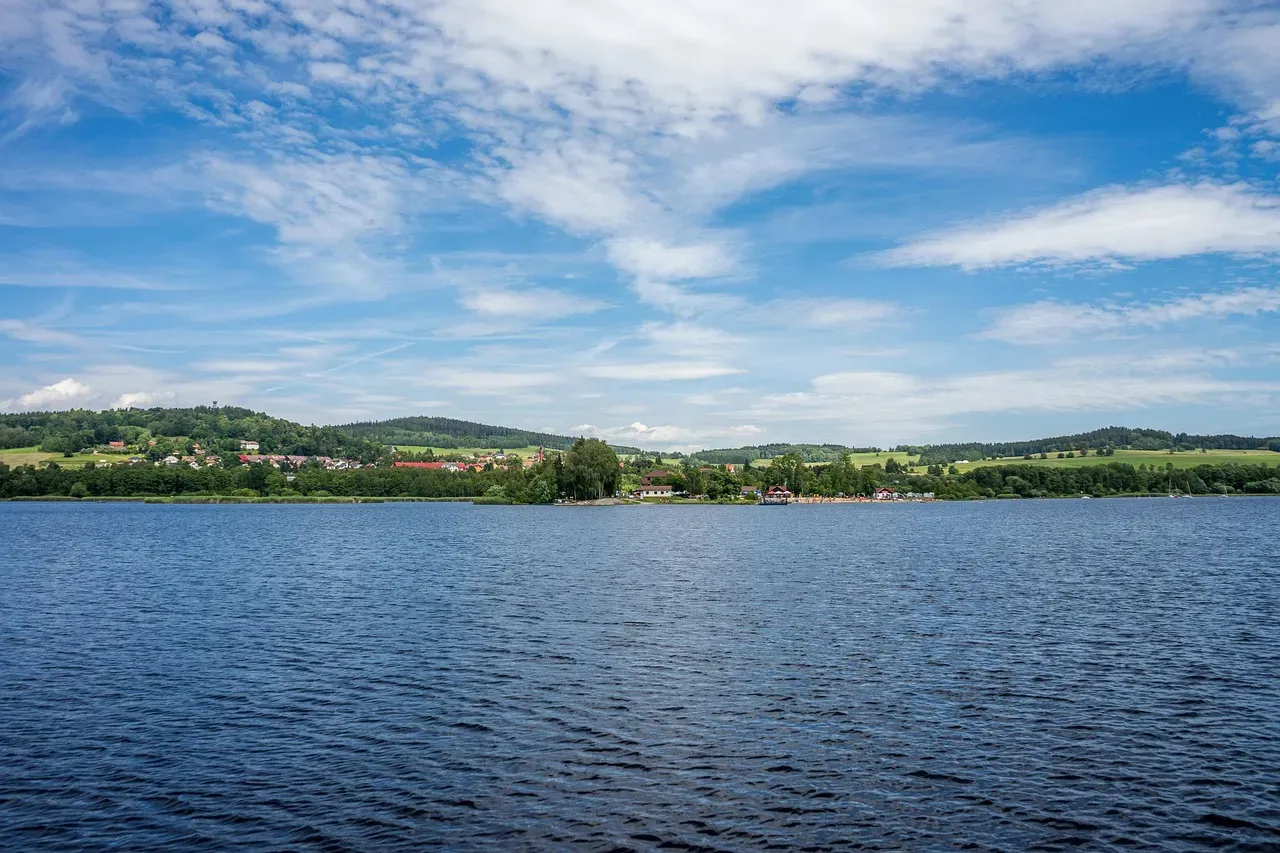
Six AM in Lipno nad Vltavou. A mist so thick it tasted of wet pine needles swallowed the morning. The air bit clean, carrying the metallic tang of deep lake water, not salt. Forget any postcard. This was the Czech Republic's largest lake feeling like the edge of an older, quieter world.
A wooden pier creaked underfoot. Water slapped against its supports. The Vltava, widened into the country's largest reservoir, lay hidden beyond the thinning fog. I wanted the lake's rough edges, the parts where old South Bohemia still held. A small wooden boat emerged, rowed by Honza. His voice sounded like stones rolling in a streambed, and his face showed the same wear as the windswept Šumava peaks.
Where the Forest Met the Water
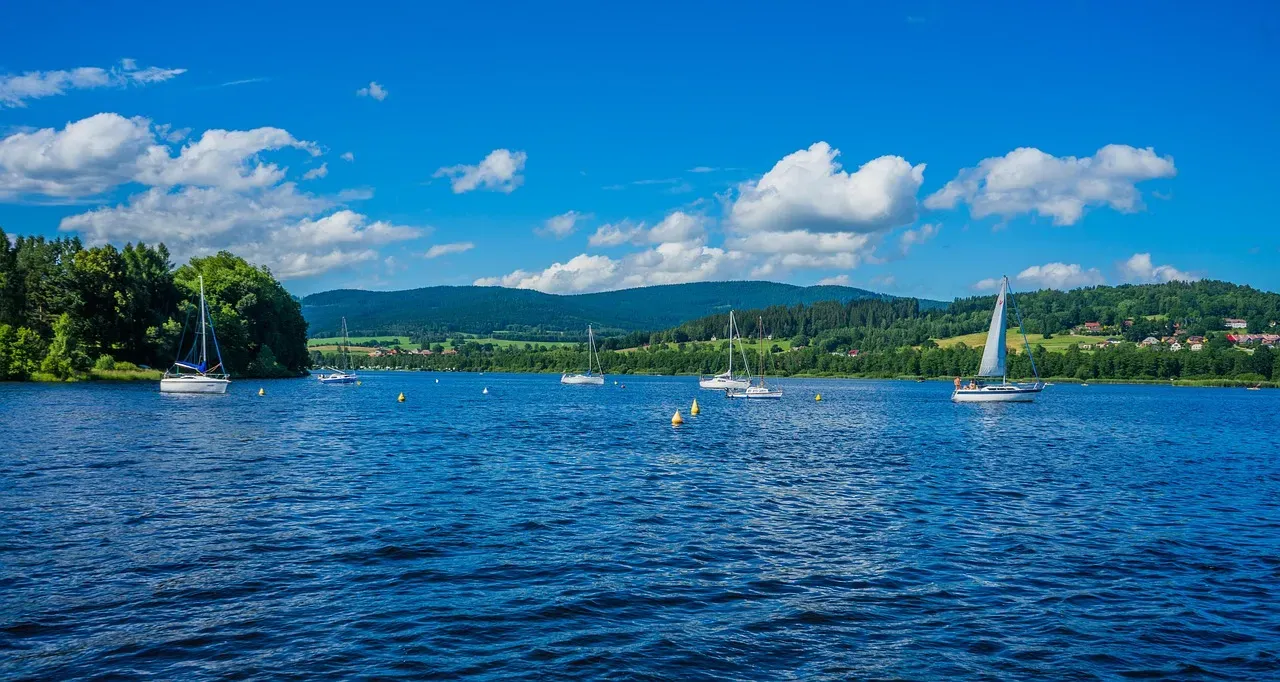
Honza rowed. The lake shifted from a glossy brochure image to a drowned world. Lipno stretches 44 kilometers, a flood born of a new nation's ambition, submerging the Vltava River valley. Seventy years ago, no windsurfers came here. Only ancient forests and small villages stood. The ground was hard. Honza pointed his pipe at the grey surface. "My grandfather's barn," he said, his voice flat, "is twenty meters down. Sometimes in winter, I think I see the foundation stones. Probably just weeds playing tricks."
The dam rose between 1952 and 1959. A marvel of engineering, yes, but it buried entire communities. We drifted over that underwater world. Its memory lingers in Lipno. Eating an ice cream cone above a forgotten village square feels strange. Today's bright umbrellas canopy a profound silence. The place feels more real than any resort marketing could invent.
Echoes of the Lost Vltava
The boat nudged the shore. Trees grew straight from the mud here, their roots exposed like old ribs. The Šumava National Park, the "Green Roof of Europe," towered above. During the Iron Curtain years, much of this forest remained off-limits. It was a closed border zone. While other parts of Europe built new roads, the Šumava stood still, undisturbed.
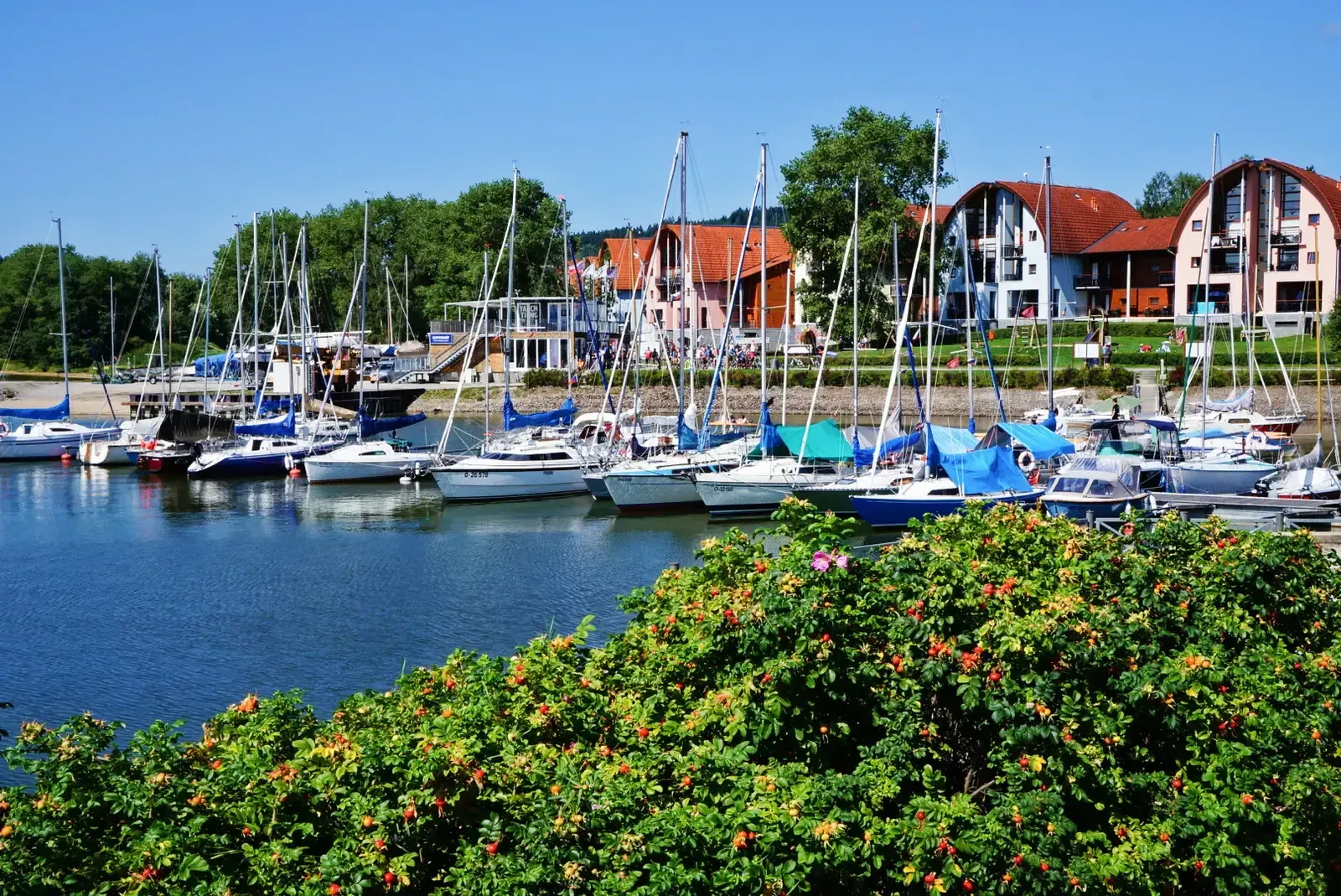
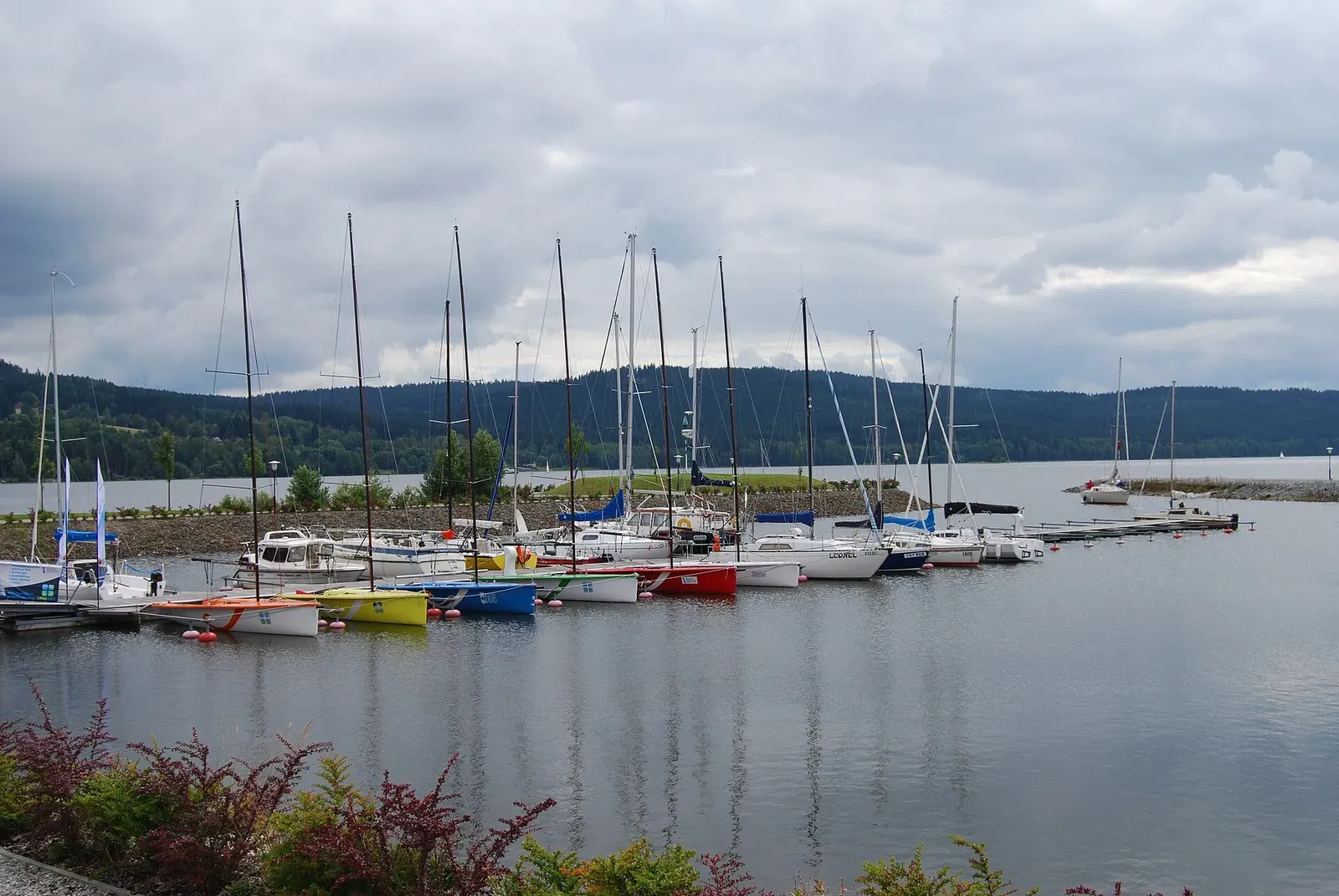
The borders opened in the 90s. Lipno changed. From a forbidden strip, it drew crowds. You see it in the marina: clean lines of functional wood, built for the hundreds of cyclists who arrive each year. Yet, the people here remember. Tourists come for the heated pools and the "Czech Sea" tag. But the true spirit of Lipno lives in the cold water and the deep woods, far from any advertising agency.
Above the Old Pines
I left Honza's boat for the Stezka korunami stromů, the Tree Top Walkway. It spirals upward, a massive wooden structure on Kramolín Hill. As I climbed, the air shifted. At the bottom, damp ferns and the cool feel of wet stone. Higher up, the sharp scent of spruce needles filled my lungs. At 40 meters, I stood above the entire forest canopy.
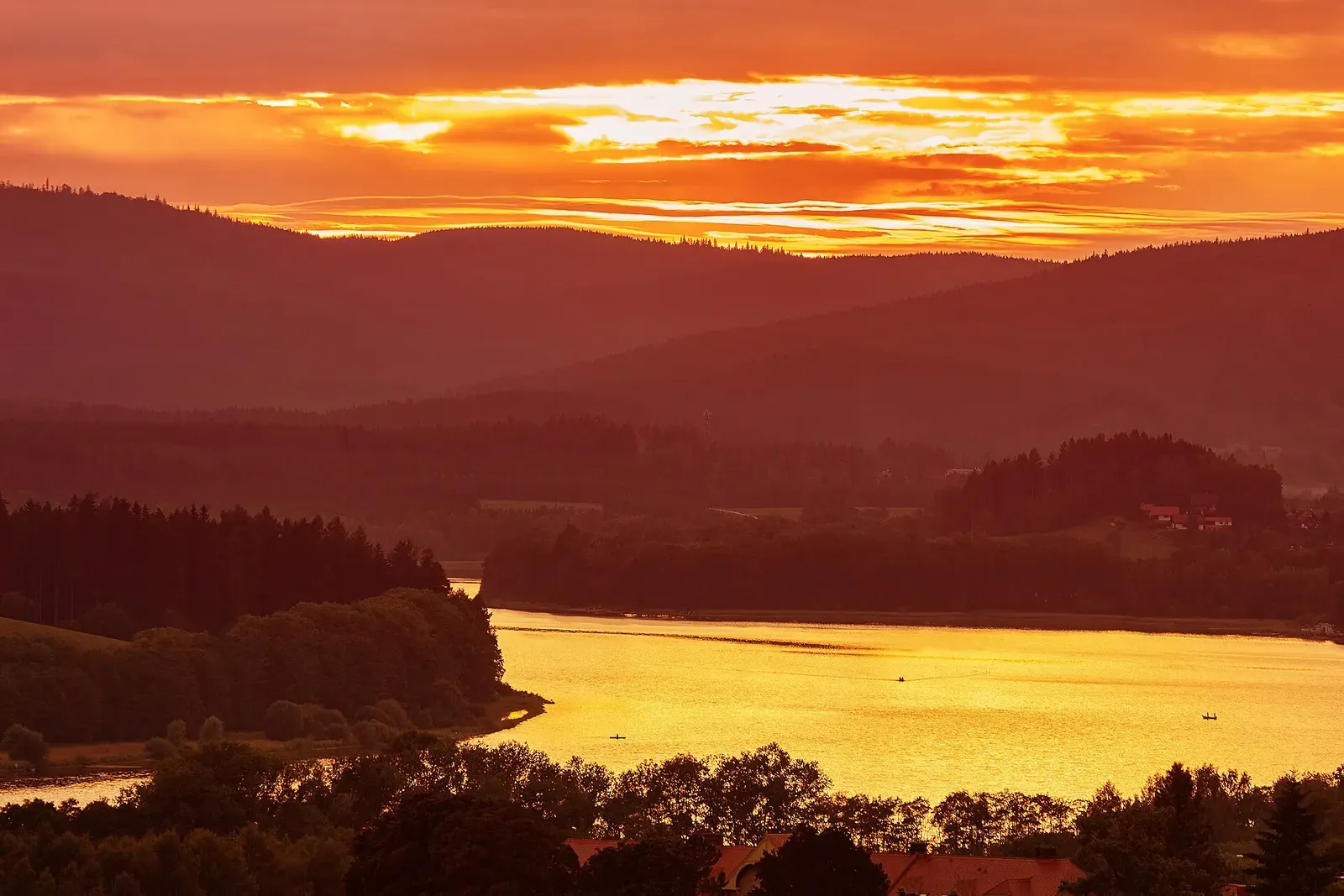
The view clarified everything. South, the lake stretched a long, grey sheet. North, the Šumava hills rolled, a dense green. School kids shrieked down the tower's central slide. Lipno found a new purpose, a new generation of visitors. But the trees did not care. They had seen empires fall, borders close, a river drown. They simply kept growing. The human noise below meant nothing to them.
Pedaling Through the Green Border
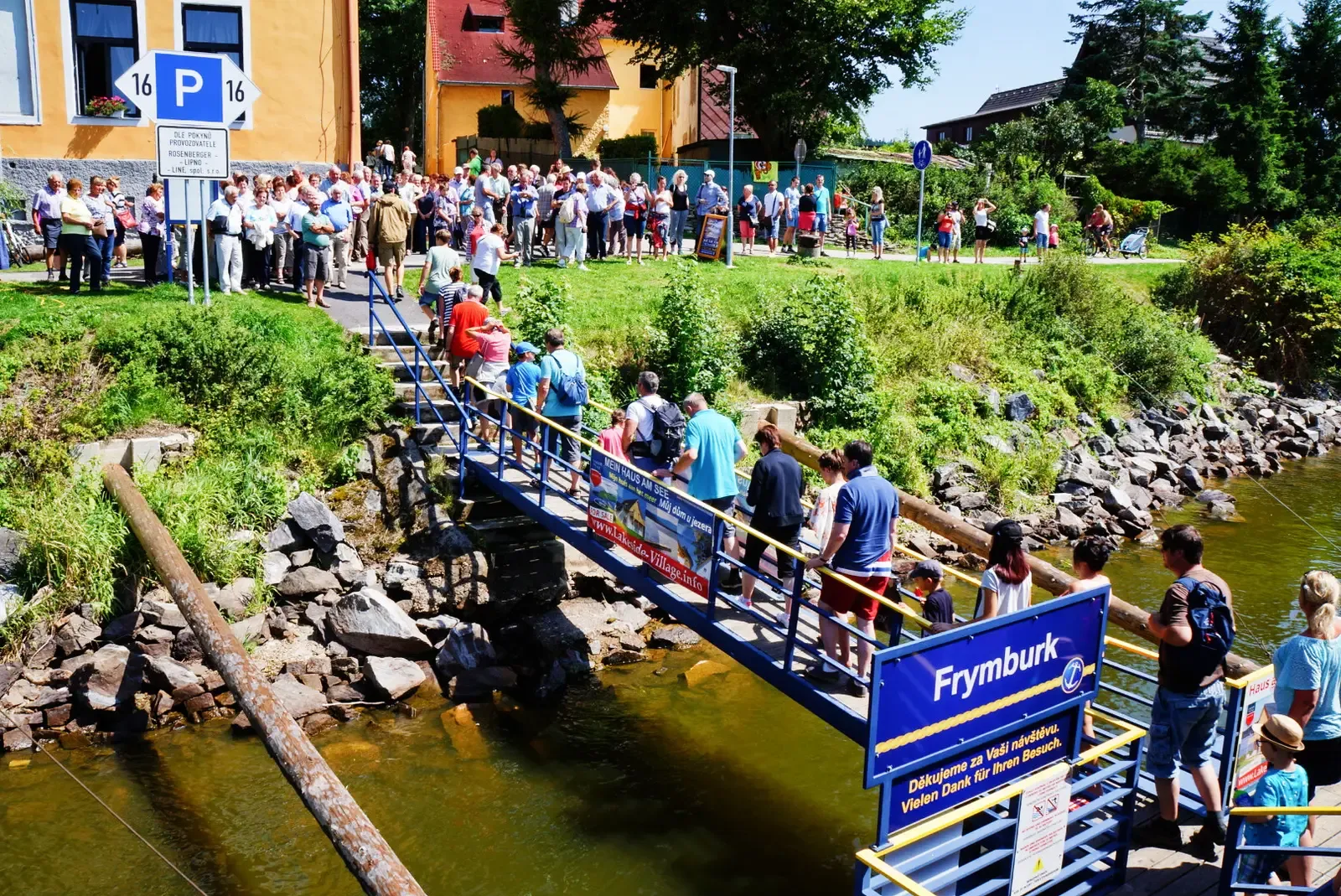
To experience Lipno, ride a bike. Do not expect an easy spin. The paths are well-kept, but these mountains demand effort. I rode towards Frymburk, hugging the shore. The sun hit the lake, glinting off the surface. Frymburk felt different from Lipno nad Vltavou: an older town on a peninsula, its church tower a landmark for lake traffic.
I ferried to the right bank. This was the raw side. Tourist guides feature the left bank. This side? This is where the landscape holds its secrets. Trails lead to the ruins of Vítkův Hrádek, Bohemia's highest castle. The pace slows here. Fewer guesthouses, fewer shops. The air carries the quiet echo of a long-closed border. Here live the people who never asked for a "Czech Sea" but learned to share their world with the water.
A Quiet Evening by the Grill
Eat what comes from the water here. South Bohemian food provides sustenance. It fuels people who work the land and the lake. I found a tavern. Woodsmoke hung thick enough to taste in the air. Grilled trout arrived: seasoned with salt and caraway. This was not "seafood." It tasted like the lake itself. Clean, cold, with a hint of earth.
As I ate, musicians started in a corner: an accordion, a guitar. No stage. They played old folk songs about the Vltava, not resort music. People at the next table talked about tourism. It brought money to a poor border region, they agreed, but it also eroded the quiet many came for. Keeping Lipno from becoming just another noisy beach requires constant work.
Jan's Pro-Tip: Beyond the Brochure
Ignore the glossy pictures. Go to the reservoir's right bank for the genuine stillness Šumava offers. Stay in the small guesthouses that existed long before Lipno became a name on a travel map. And make time to understand the villages under the water. The view from the Tree Top Walkway carries more weight when you know what lies buried below.
This landscape is a story of human interference and nature's slow return. Rowing into the mist with Honza, or biking the border trails, you discover something specific. It stays with you.