
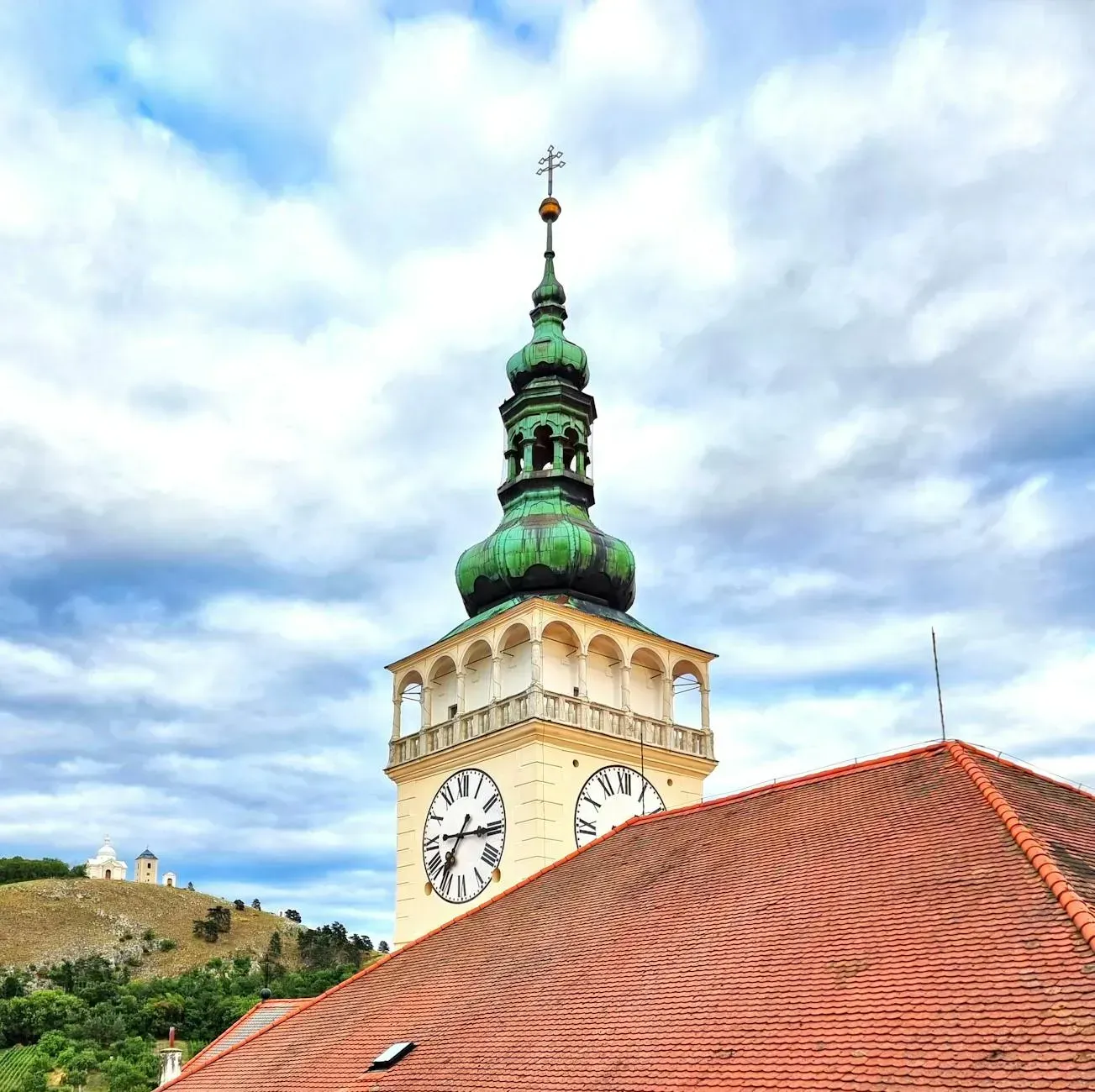
Every travel blog between Vienna and Brno describes Mikulov as a picture-perfect transit stop—a place to stretch your legs, buy a postcard of the Dietrichstein castle, and admire the pale facades from the safety of the main square.
I was doing exactly that, squinting at a digital map near the stone fountain, when a man named František interrupted me. He had a face textured by fractured limestone, and his voice was gravel grinding over silk. "Put the phone away," he told me, pointing a thick finger toward a narrow alley. "The square is for people who want to leave in an hour. Come see what keeps us here."
The Fire of 1945 and the 101,000-Litre Barrel
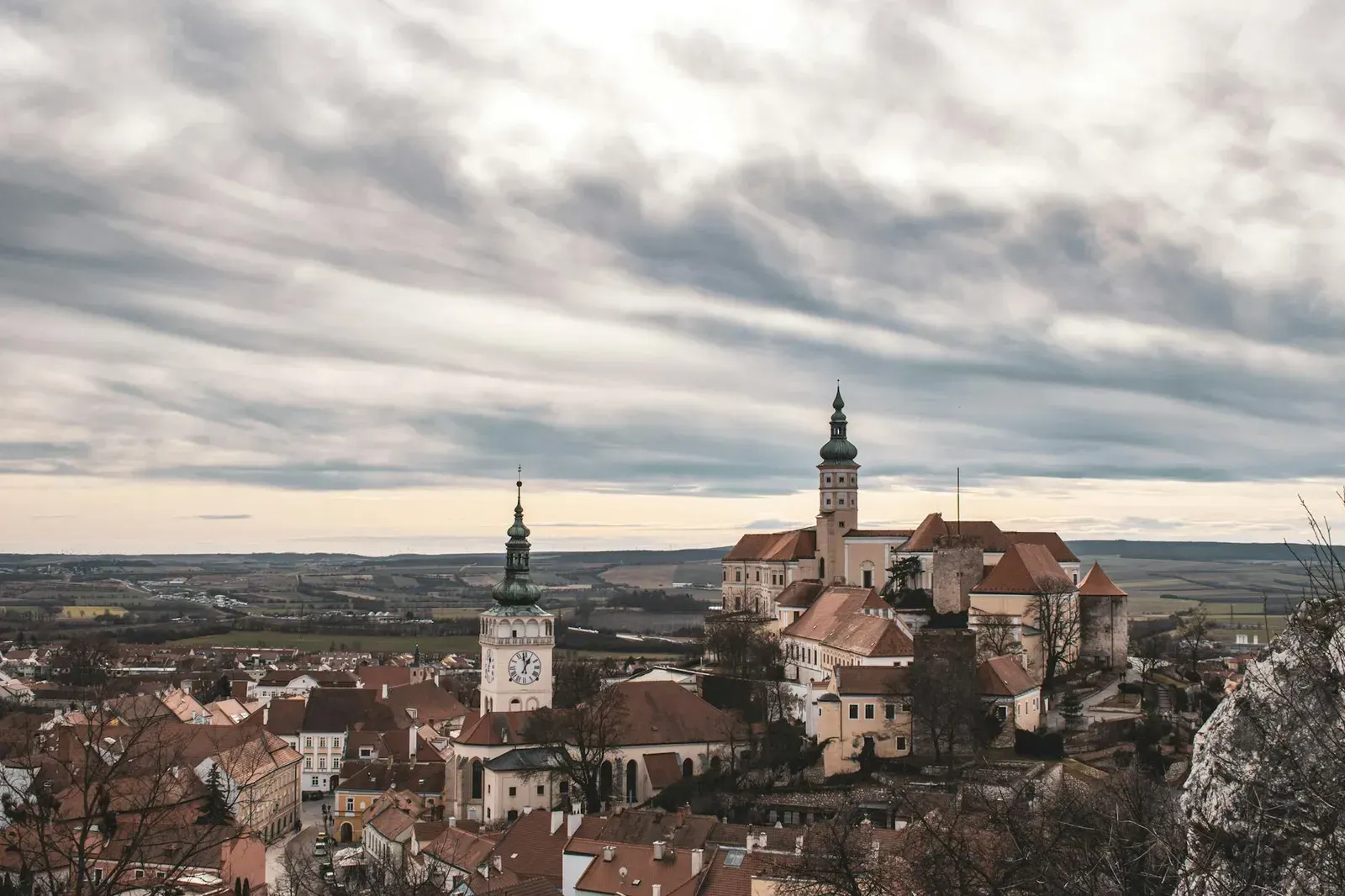
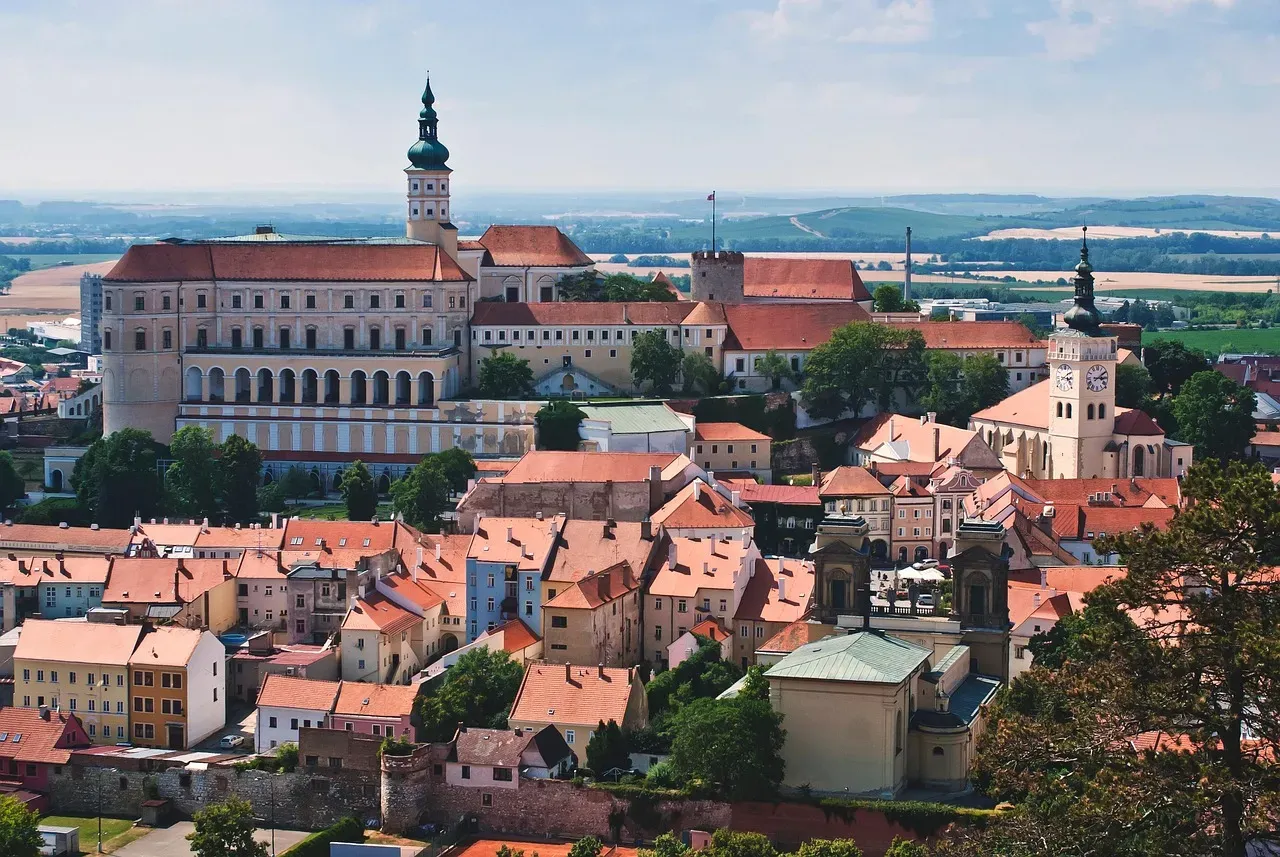
The castle dominates the skyline, anchored to a crag that looks aggressively permanent. Following František away from the polished centre, he explained how the Dietrichstein family ruled from that rock starting in the 1500s. But the building above us is a postwar ghost. In 1945, the original structure burned entirely. The 1950s restoration left the exterior pristine and the inner halls heavily scarred.
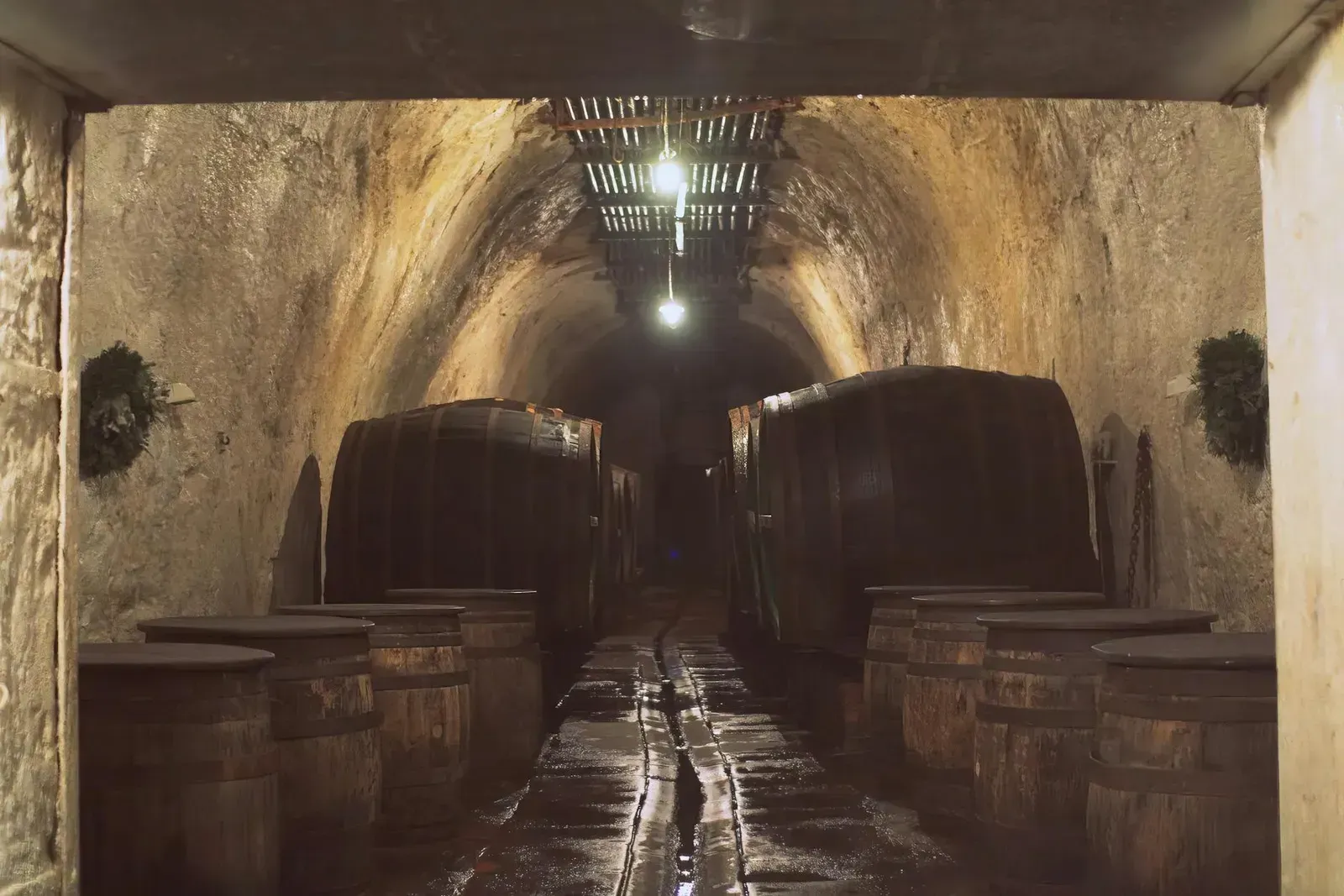
Down in the cellars, however, you find the untouched reality: a 101,000-litre wine barrel constructed in 1643. Standing next to it in the damp dark, your fingers trailing the cold iron hoops, you realise viticulture here predates almost everything else above ground.
What Remains on Husova Street
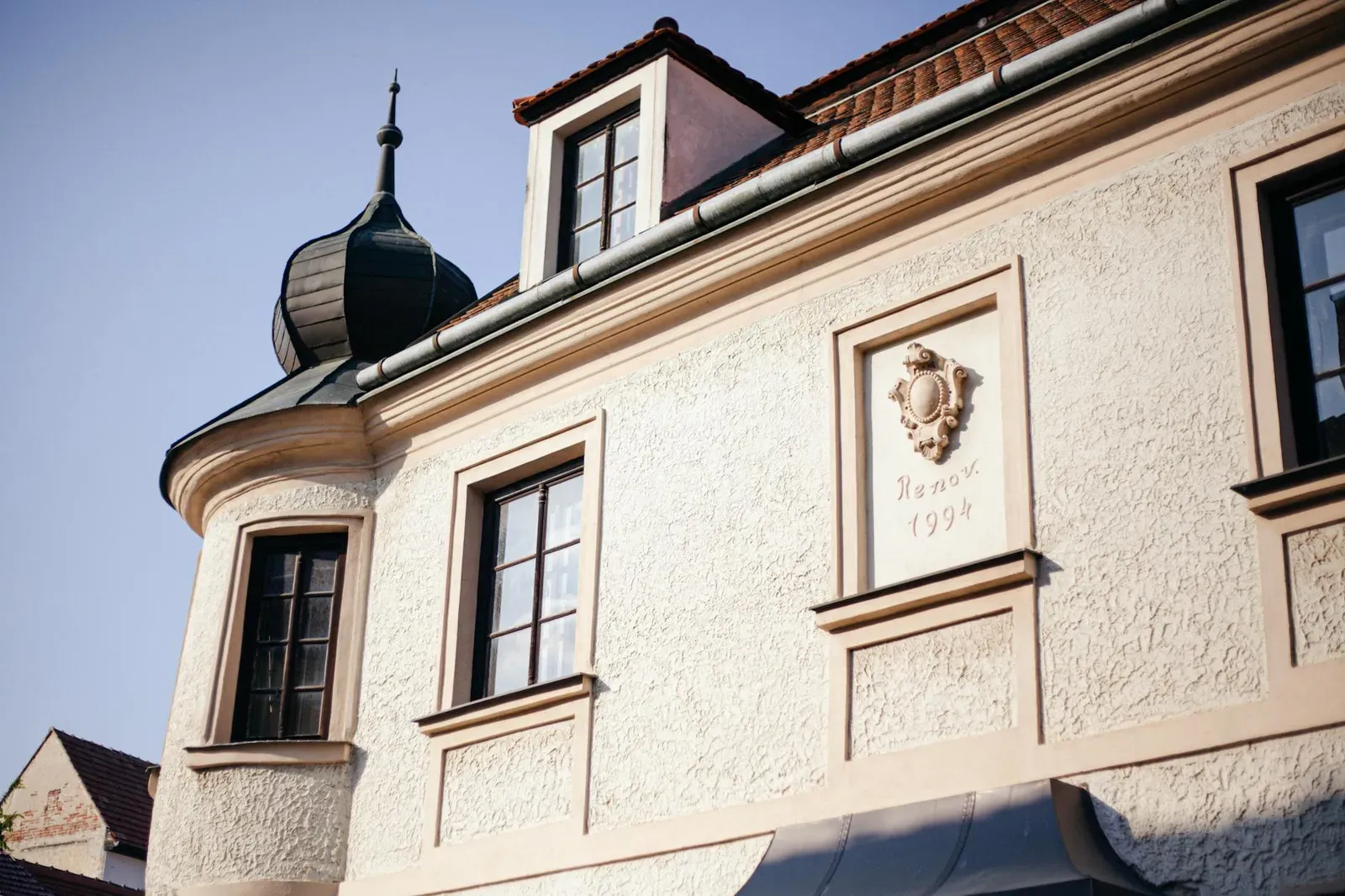
The architectural rhythm shifts completely on Husova street. Mikulov operated as the seat of the regional land rabbi from the mid-1500s until 1851. František paused at a quiet corner where Rabbi Loew—the man legend credits with molding the Golem of Prague—served his congregation.
We walked up the incline to the Jewish cemetery. Four thousand tombstones made of local white rock crowd the slope, many leaning heavily against one another. The wind has erased the majority of the Hebrew inscriptions. The grit of weathering sandstone rubs off on your jacket if you brush past them. It is a quiet place, but it acts as undeniable, physical proof of a massive, forced absence during the 1940s.
Drinking Limestone in a Dim Cellar
You cannot untangle this town from its soil. The Pálava Hills are a geological anomaly—a massive block of white rock jutting violently out of a flat green landscape. This dirt gives the regional Rieslings and Pálava grapes a sharp, bracing minerality.
Down in his own cellar, a narrow cave cut directly into the hillside, František poured a glass of Veltlínské zelené. He tapped the damp white wall. Vines here have to force their roots deep through fractured rock just to find water. The local economy has run on this exact struggle since the 1300s. Even under communism, families grew their own 'vlašák' (Welschriesling) in secret backyard plots. You can taste the metallic bite of that defiance in the glass.
The View from Svatý Kopeček
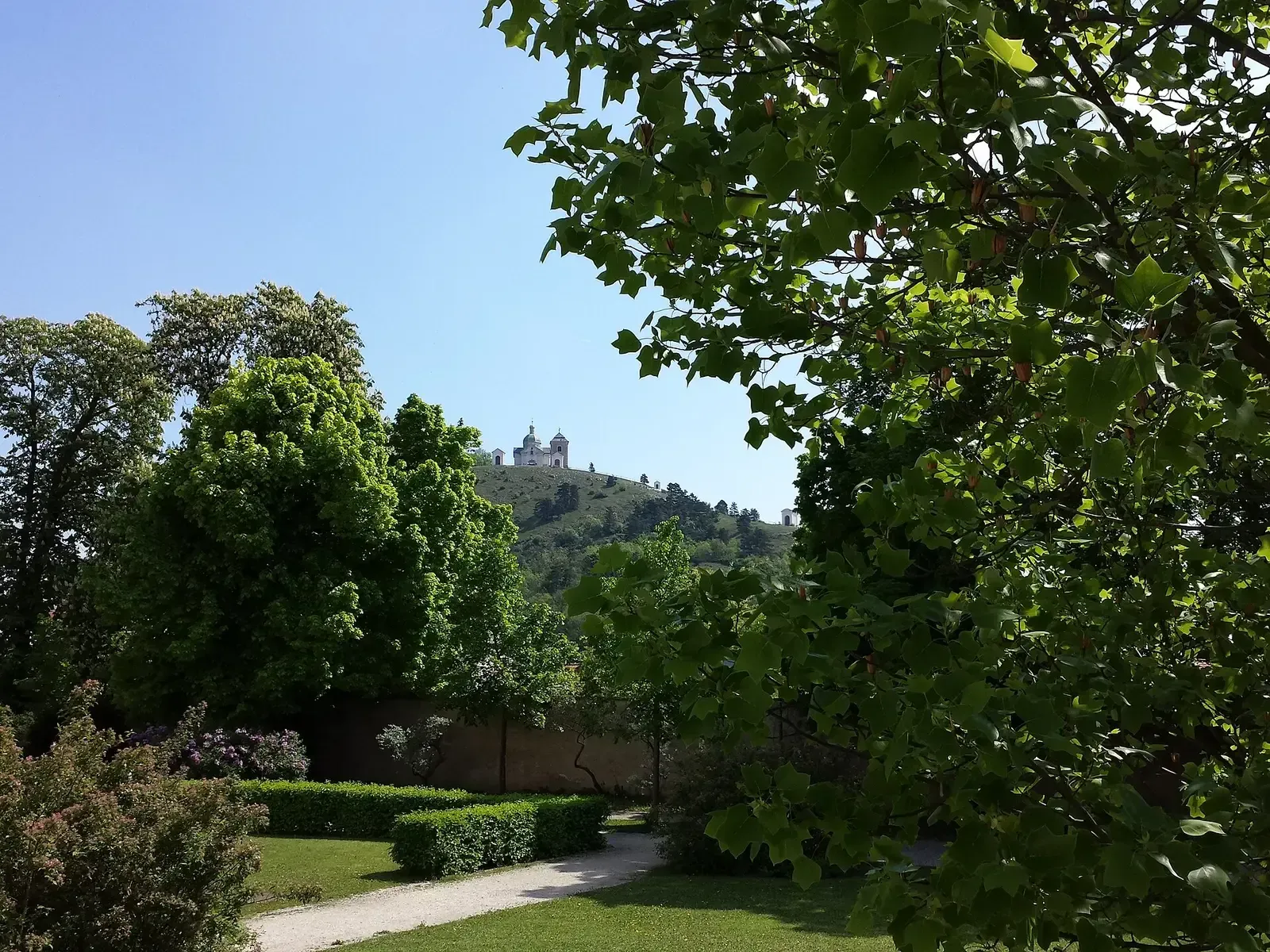
Before he let me leave, my host pointed toward Svatý kopeček. Holy Hill is a steep, unyielding drag upward, flanked by white Stations of the Cross chapels that eventually terminate at the St. Sebastian Chapel. I hit the summit right as the sun dropped behind the ridge.
Looking down, Mikulov is a tight cluster of red roofs jammed hard against the rock. You can look straight across the invisible border into Austria. Across the valley sits Kozí hrádek, an old defensive tower. The vineyards press right up against the town limits. Mikulov sits on a literal and historical fracture line. The town has burned, rebuilt, changed hands and survived. Up here, listening to the rhythmic clink of distant church bells, the weight of that history feels infinitely heavier than the tour groups down in the square.
Why You Should Ignore the Postcards
Forget the souvenir shops and the pre-packaged Austrian border tours. Buy your wine directly from a family cellar instead of the supermarket on the edge of town. Walk the cemetery and acknowledge the history that actually built the place.
If you hike the Pálava UNESCO Biosphere Reserve, stay strictly on the marked trails. The environment is highly fragile; the rare orchids and iris require protection. Mikulov demands a slow pace. The real town exists in conversations with men like František, far away from the camera lenses.
Jan's Pro-Tip: Skip the Square for Dinner
The best food in this region comes from family-run guesthouses with tiny kitchens. Check the side streets for a "penzion" advertising "domácí kuchyně" (homemade cuisine) and ask if they have a daily special. You will eat far better food for half the price of the main square restaurants, and you will probably end up sitting next to the cook's cousin.