
The bus north from Prague had a clear morning, air sharp like splintered ice, the sky a flat, hard blue. I braced for the history lesson. When the engine died at the Terezín gates, a silence settled, heavy enough to push against your ears.
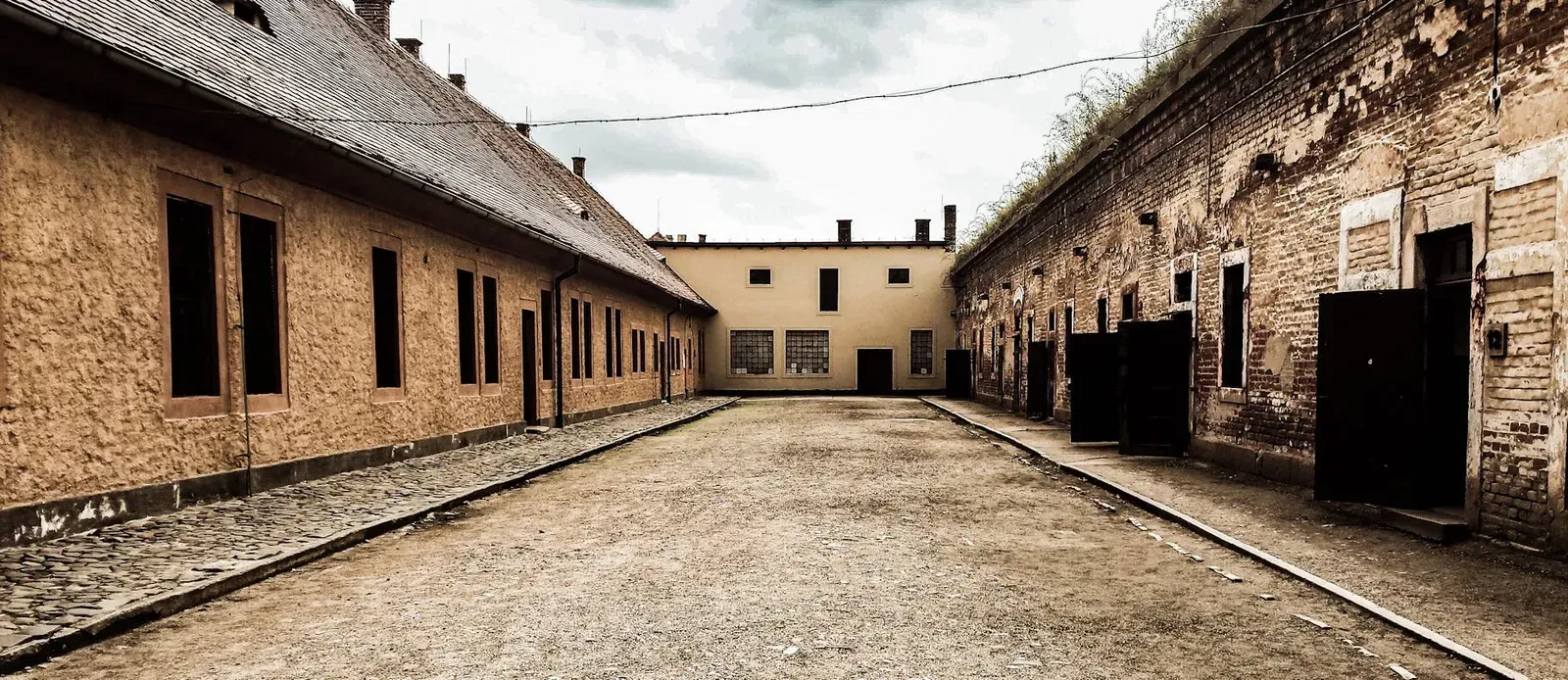
The main square offered no neon, no cafe chatter. Instead, immense red-brick walls climbed, and the air held the scent of damp soil, old iron. Two centuries of history pressed in here, a low thrum that reached through the soles of my boots.
A Fortress in the Fields
Inside, the town's geometry hits you. Streets form a precise grid, wide and too straight, lined with heavy, identical buildings. My hand on the rough masonry felt the grit of 18th-century brick dust. It connects directly to Emperor Joseph II's purpose. He built this "Garrison Town" as an imperial shield, naming it for his mother, Maria Theresa.
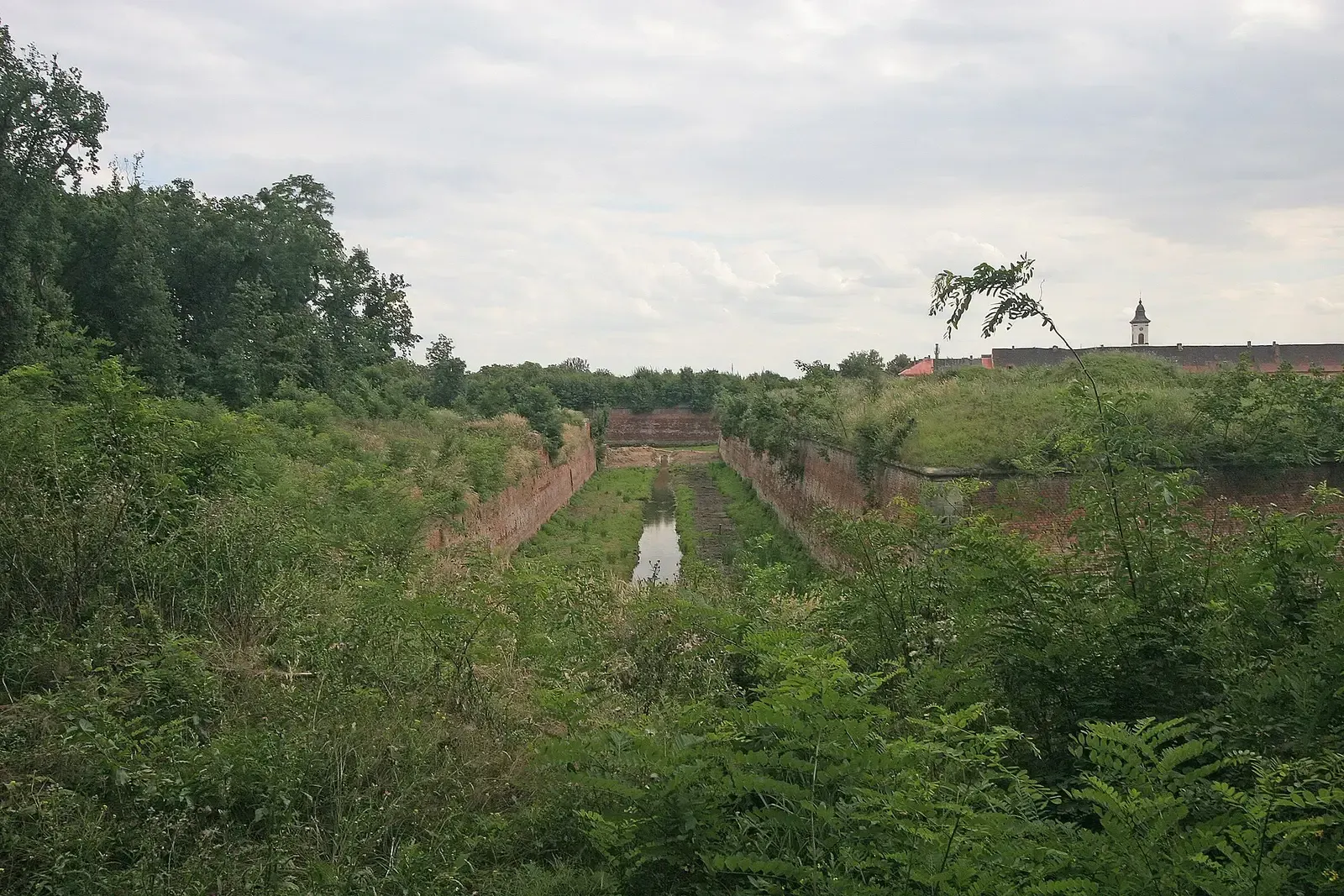
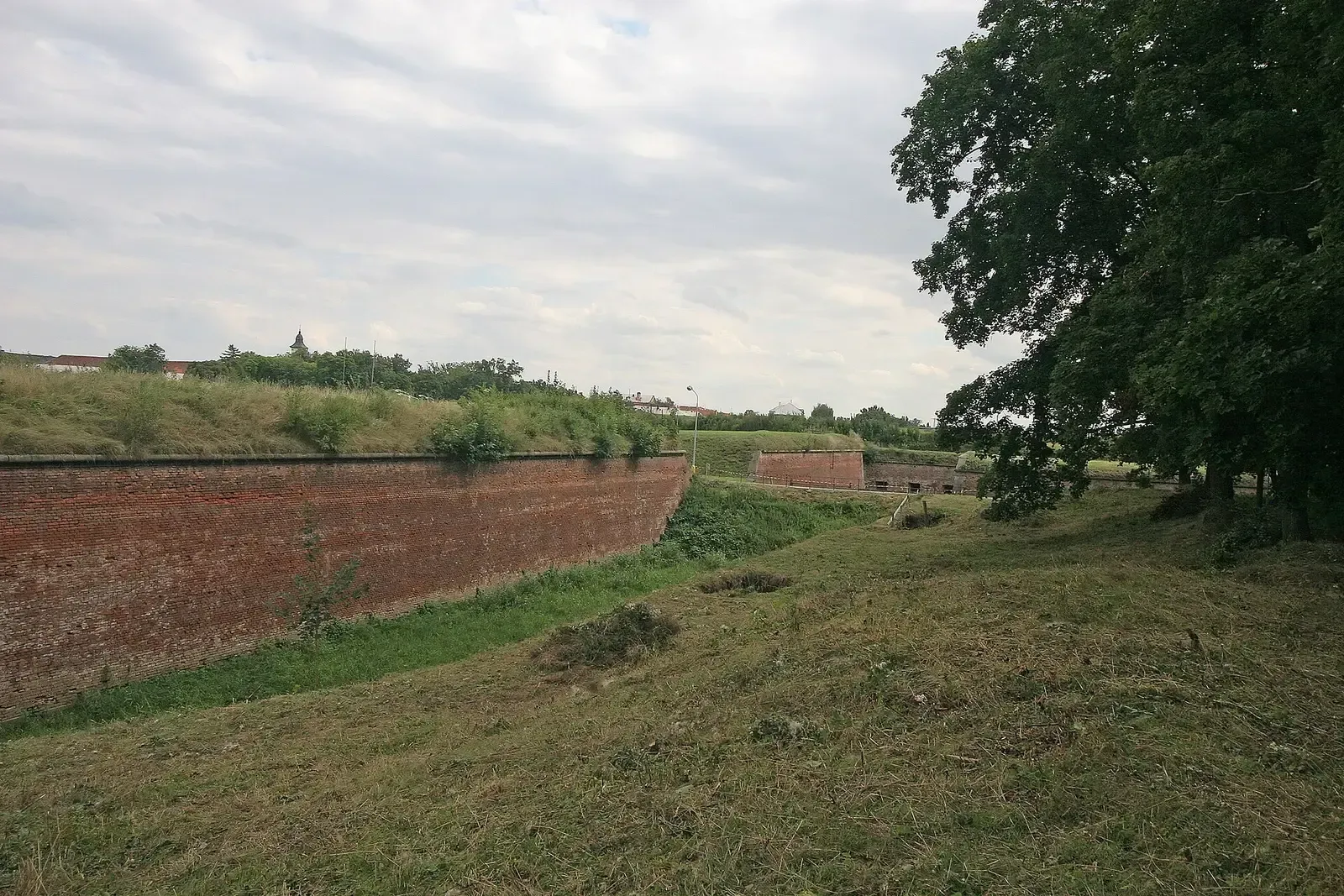
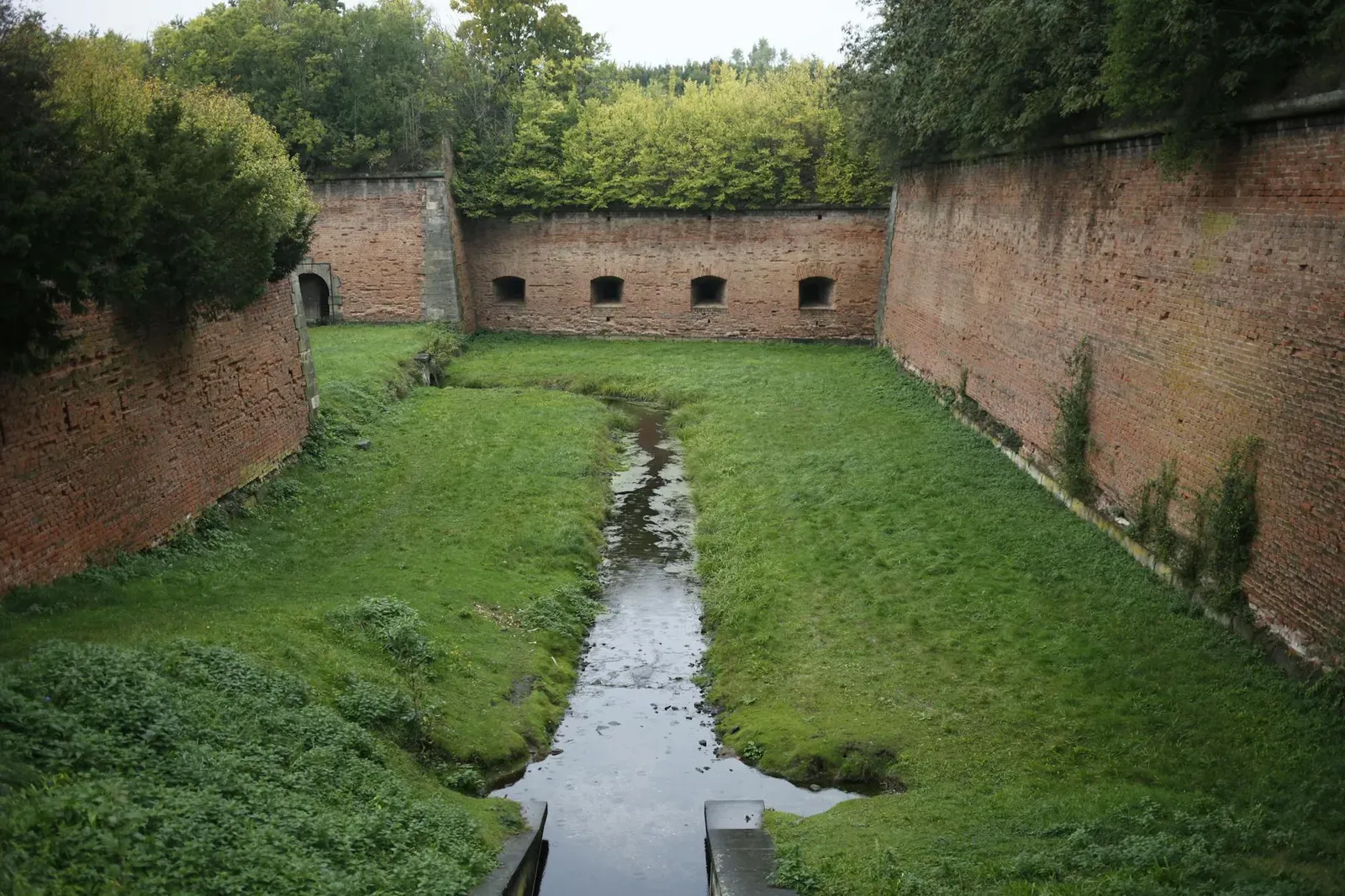
The Big Fortress stands as serious engineering: a pentagon of bastions and trenches. But as I walked deeper, the 1700s scale felt smaller. It had been a shield. It became a cage. My initial interest turned to heavy frustration. The walls felt designed to absorb a person, twisting a defensive structure into a still, massive trap.
The Weight of the Ghetto Museum
The Ghetto Museum is in a former school. It's jarring to hear history's echoes in rooms meant for children learning to read. I stopped at a display of children’s drawings. These weren't scribbles; they were precise documents of life inside: bread lines, packed barracks. The detail took my breath. The air felt thick, heavy with the silent imprint of 50,000 people once forced into a town built for 5,000.
I stood in a reconstructed dormitory, looking at narrow wooden bunks stacked three high. I imagined the lost privacy, the constant fear, the gnawing hunger. Still, the museum shows another side. In hidden attics, prisoners held lectures and wrote operas. They resisted, not with weapons, but by keeping their minds sharp. A quiet defiance that hummed a steady note beneath the silence.
Living Ghosts of the Big Fortress
Today, Terezín is a working town. This makes for strange contrasts. I saw a child on a bike pedal past an old barracks, the chain’s metallic click ringing against silent stone. I found the "Secret Synagogue," a small room hidden in a backyard, where Jewish worship was once forbidden. The hand-painted Hebrew prayers on the walls have faded to pale tones, like dried flowers pressed into a forgotten book.
At the Magdeburg Barracks, I learned about musicians who played Verdi’s Requiem. The unsettling part: the audience often included the same SS officers who later signed deportation orders. The grit of the sandstone and the cold corridors make the tragedy feel immediate. The past here doesn't just feel like history; it sits as a specific pressure in your chest.
The Great Deception of 1944
Sitting on a bench in the main square, facing the town’s church, I thought about the "beautification" project of 1944. To fool the International Red Cross, the Nazis made prisoners plant gardens, even build a fake café. It was a cynical film set, a masterclass in lethal propaganda. Prisoners were ordered to look happy for cameras, then sent to gas chambers in the East.
Today, the square looks green, peaceful, and quiet. The deception still feels present. It makes you question what you see on the surface. My early frustration turned to deep skepticism. Terezín strips away any prettied-up front, showing the sharp truth beneath.
Inside the Small Fortress: A Punch to the Gut
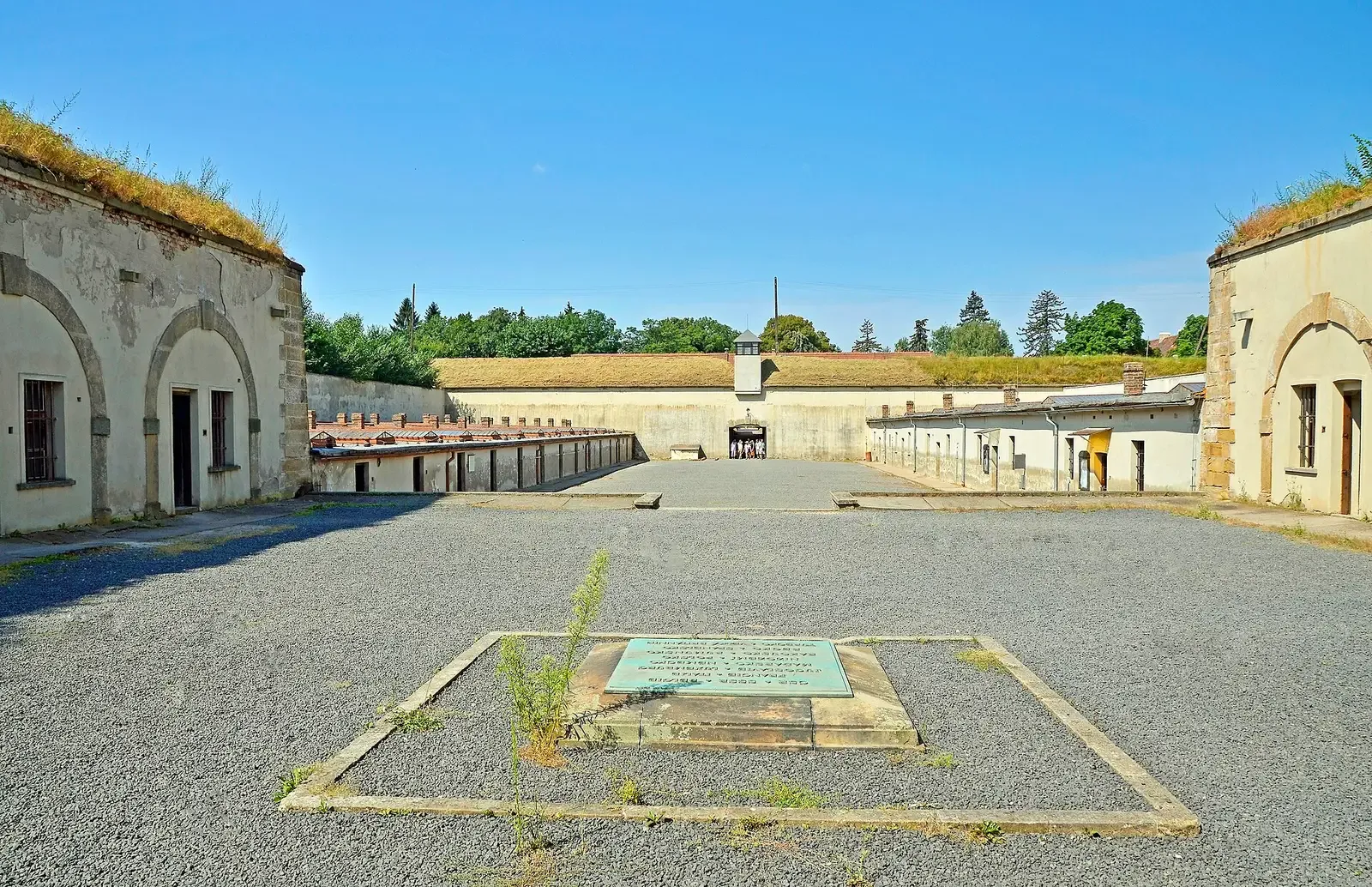
A short walk over the Ohře River took me to the Small Fortress. It felt like a physical blow. This was the Gestapo prison. Its architecture looks openly hostile. I walked through long, narrow tunnels—dark, damp, smelling of wet earth—where the air was colder than outside. A metal gate clanged shut behind a tour group, sounding like a gunshot in that tight space.
I peered into solitary confinement cells, too narrow to stand. Here, you don't just read facts; you absorb a brutal repression. The "Arbeit Macht Frei" gate stands as a cruel marker. This was the hardest part of the visit. The human cruelty here felt immense, a heavy weight that threatened to overshadow the resilience I had seen earlier.
Terezín Today: A Town That Remembers
Walking back to the town center, I noticed crumbling buildings and boarded-up windows, homes for current residents. I spoke to a woman at a small stand. Her voice, low and steady like gravel over silk, described the 2002 floods. The community fought to save the archives, protecting the memory of the place that shapes their daily lives. These people live among the past; they are keepers of a somber history.
At the National Cemetery, markers stretch in rows to the horizon. Some bear the Star of David, others a Cross. Walking among them, the blue sky from earlier finally felt right. It didn't contradict the tragedy. Instead, it showed the peace denied to those buried below. My perspective shifted from casual tourist to quiet witness.
Jan's Pro-Tip: Go, But Go Differently
A trip to Terezín is not a "fun" outing. You won’t leave with a camera full of bright facades. But you will leave understanding something essential about human resilience and human cruelty. I recommend finding a local guide. Facts on a plaque tell you only part of it. The real weight comes from specific items—the tattered suitcases, the secret drawings. These show a spirit that refused to be extinguished.
Responsible travel here means more than just showing up. Eat at the town's small restaurants. Treat memorial sites with respect. Remember that even buildings made for defense can become tools of oppression if vigilance fails. It’s a lesson as clear as that morning’s sharp air.
Terezín sticks with you. Long after the bus ride back to Prague, its message remains.