
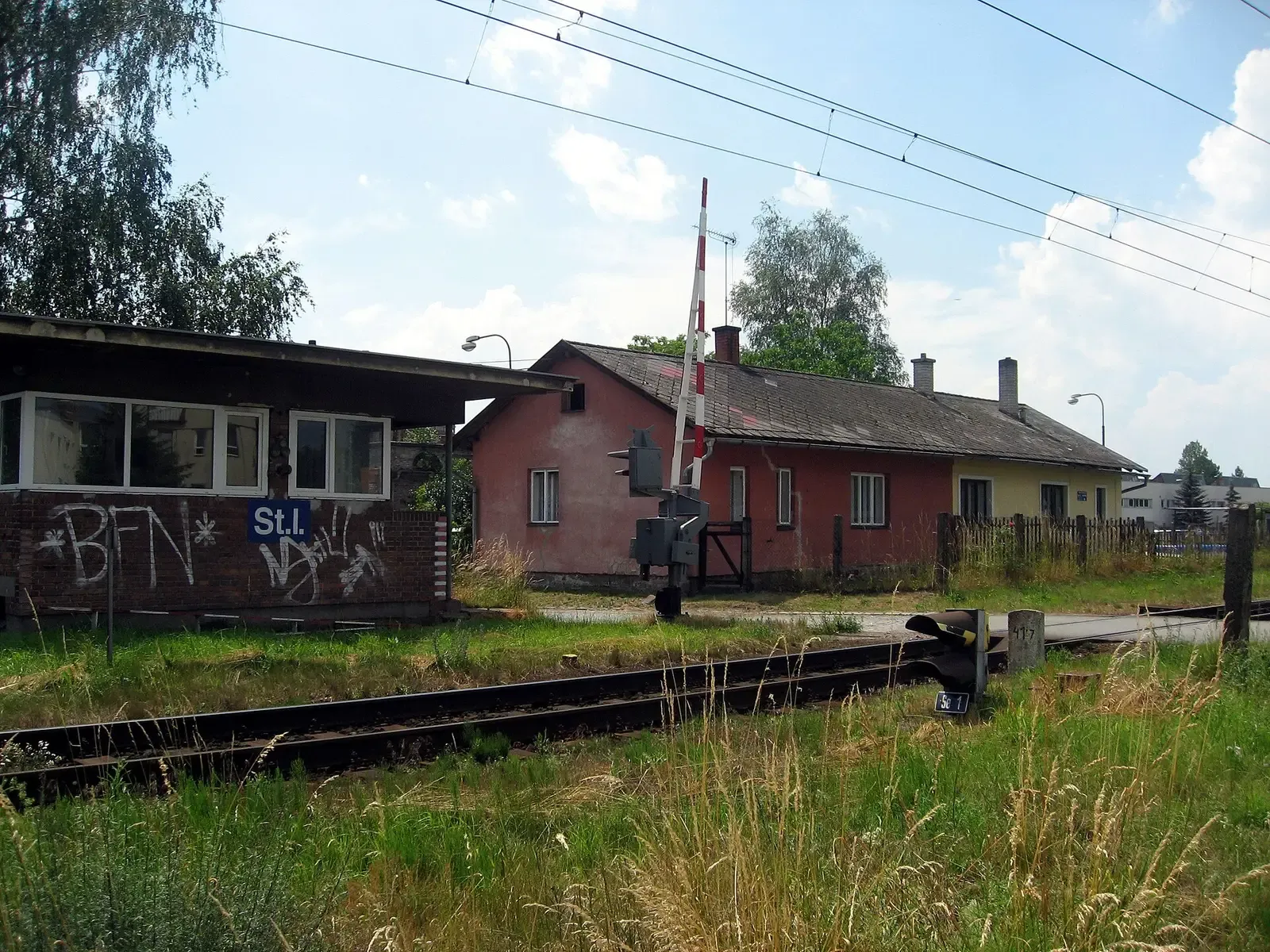
Most drivers pass Třebechovice pod Orebem without stopping. They push east on Route 11 toward the Orlické mountains, ignoring the exit signs for a town with a name foreigners struggle to pronounce.
I drove in on a Tuesday morning. The air over the Dědina river was cold, sharp as a wet coin, and the main square was empty except for a woman sweeping outside the bakery. My guide was Pavel, a resident who met me near a cluster of Baroque statues. He wore a heavy jacket against the morning chill. He did not give a speech about national history. He just pointed at the Museum of Nativity Scenes and told me we were going to look at something that took three men forty years to build.
The Heartbeat of Wood and Wire
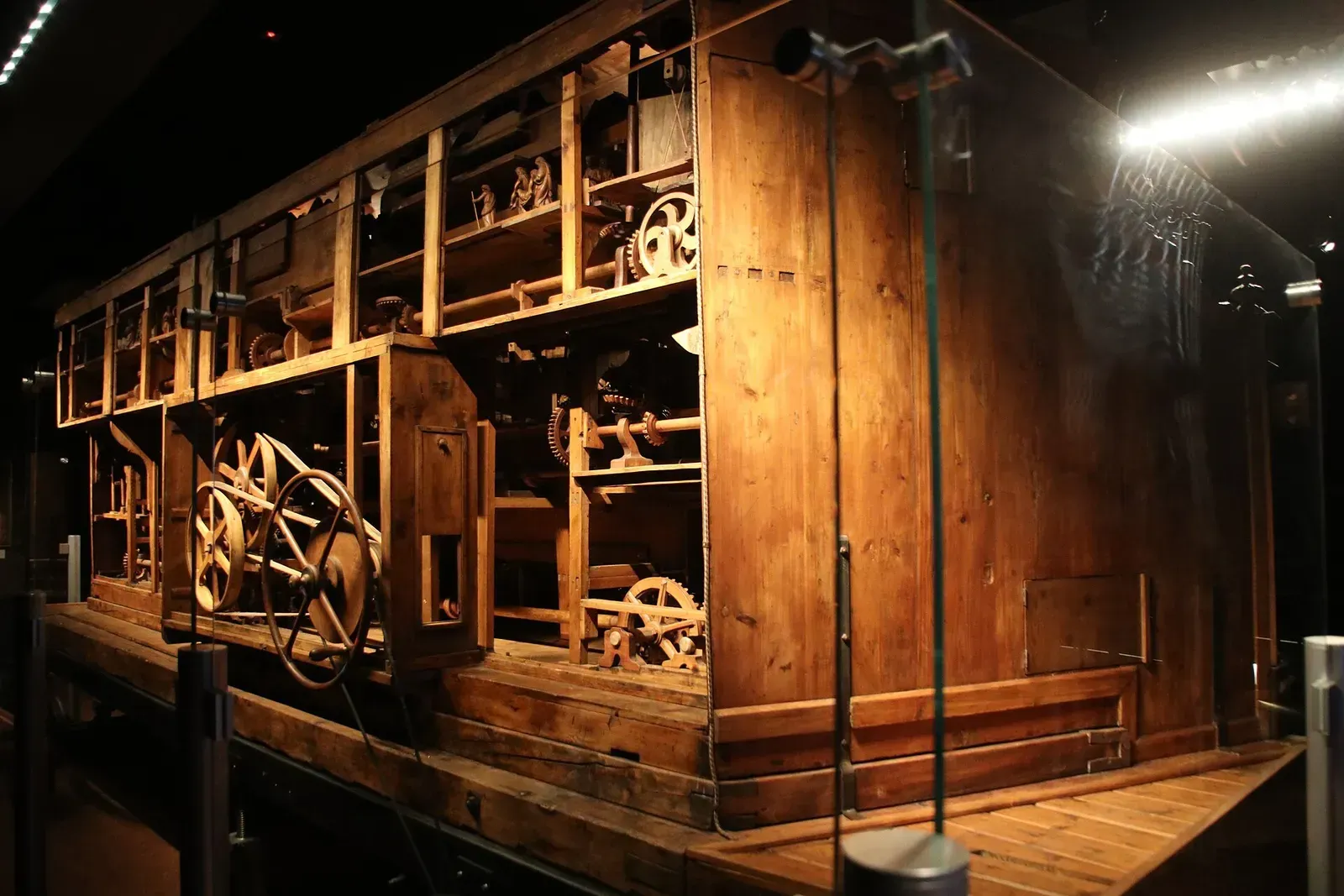
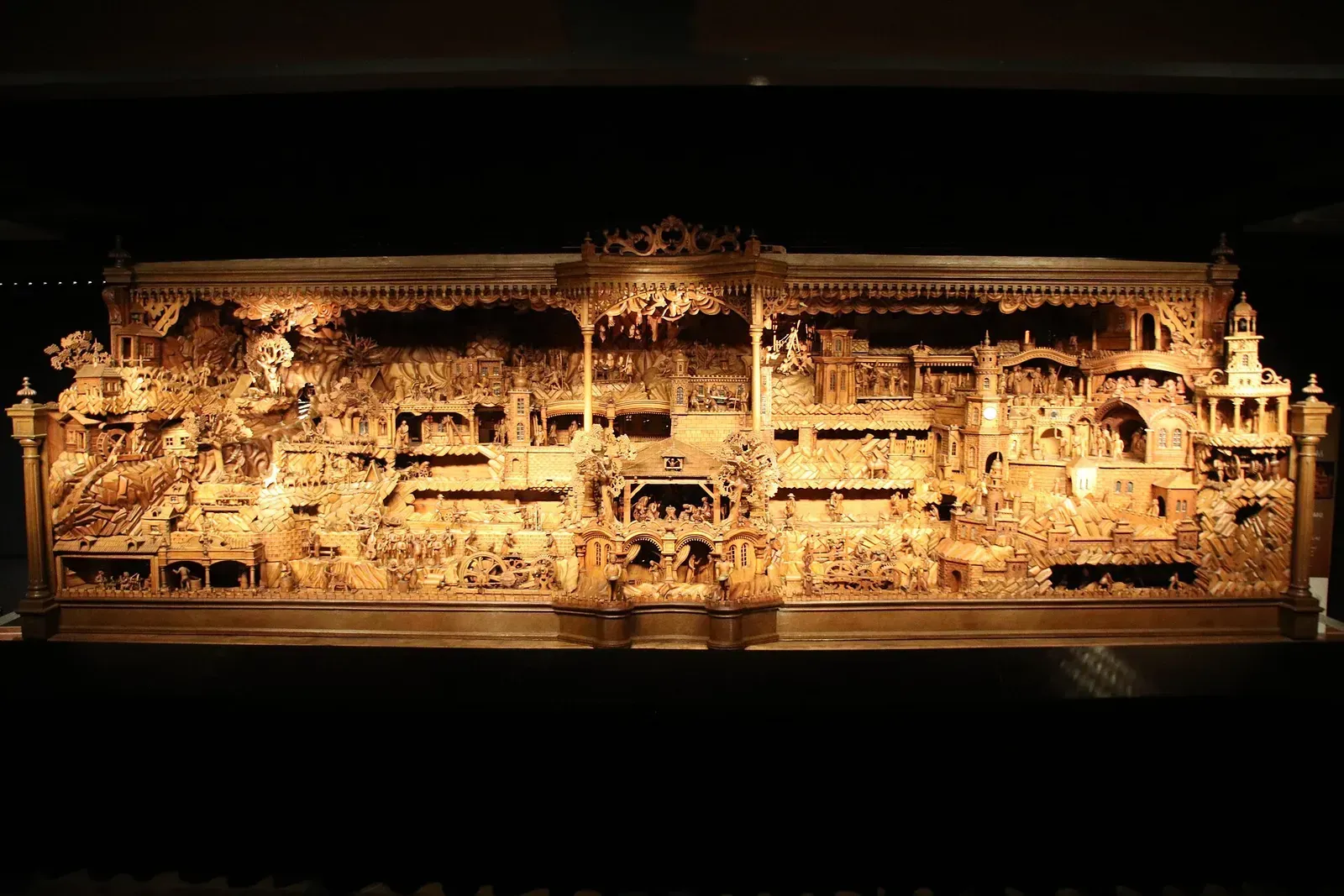
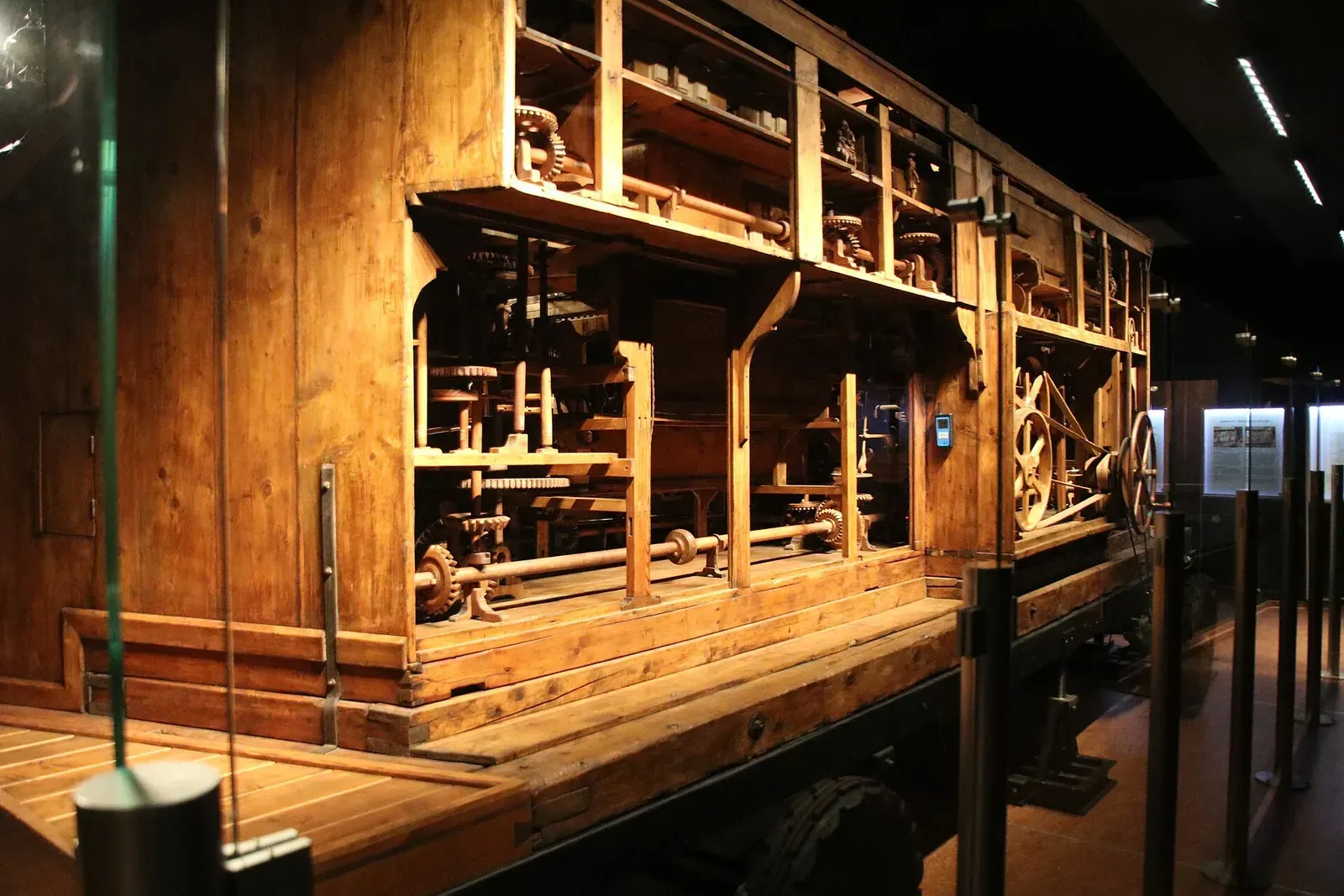
Regional tourism boards label the Probošt Nativity Scene a masterpiece of folk art. That sounds delicate. In reality, it occupies the center of the museum as a massive mechanical universe powered by wooden gears and leather belts. When the mechanism starts, it groans. The belts slap. The wood turns with a low, rhythmic thud that sounds like an industrial loom.
Josef Probošt, Josef Kapucián, and Josef Friml began building this machine in the late 19th century. They carved, sanded, and rigged the mechanics for four decades. The finished piece holds over 2,000 carved parts. Hundreds of figures move on a complex belt-driven system resembling the interior of an enormous wooden clock.
The scene depicts the birth of Christ, but regular people outnumber the biblical figures. A tiny wooden carpenter planes a plank. Shepherds nod their heads. Probošt carved the economy of East Bohemia directly into the religious diorama. You see 19th-century miners, weavers, and farmers moving on wooden tracks. It is a physical record of labor along the Dědina river.
The figures move with a slight, mechanical hesitation. Probošt refused to sell the machine during his lifetime, rejecting heavy financial offers so the gears would stay in Třebechovice.
A Hill Named for a Revolution
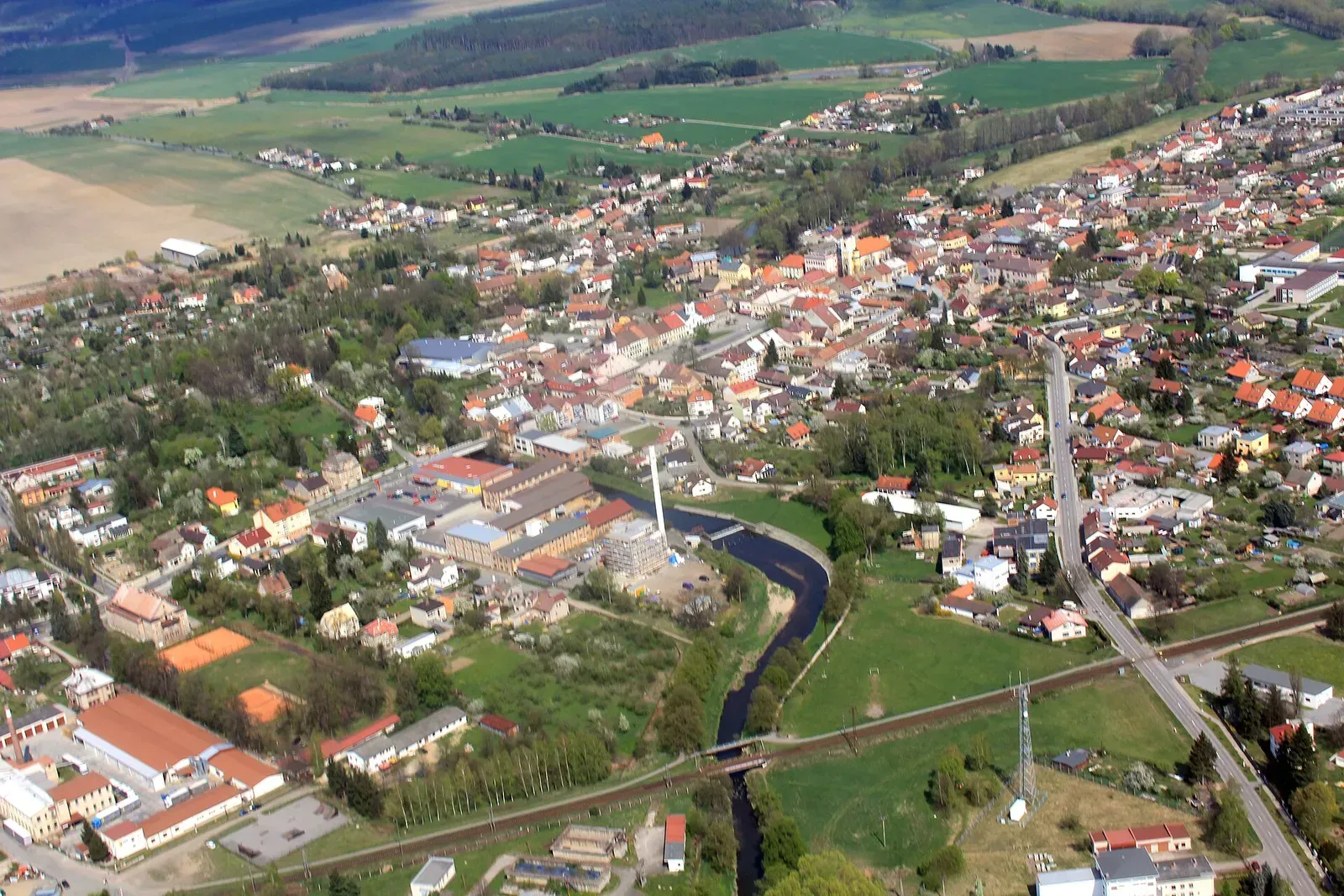
We left the museum and walked up Oreb. It is a gentle, green rise overlooking the houses. The local history is violent. In 1423, a radical faction of Hussites gathered on this slope. They were led by Jan Žižka, the one-eyed general who turned peasant wagons into armored fortresses. The soldiers felt such religious fever they named the hill after the biblical Mount Horeb and called themselves the Orebites.
We walked up the damp grass path. The people who met on this hill challenged the feudal order of 15th-century Europe with brutal force. Today, a quiet Neo-Baroque church sits at the summit.
The peak offers a clear view of the Dědina river and the red roofs below. The town eventually abandoned religious warfare for industry. By the late 19th century, Třebechovice produced leather goods and matchsticks. The descendants of Žižka's radical militia ended up working factory shifts and carving intricate gears.
Walking Through the Layers of Time
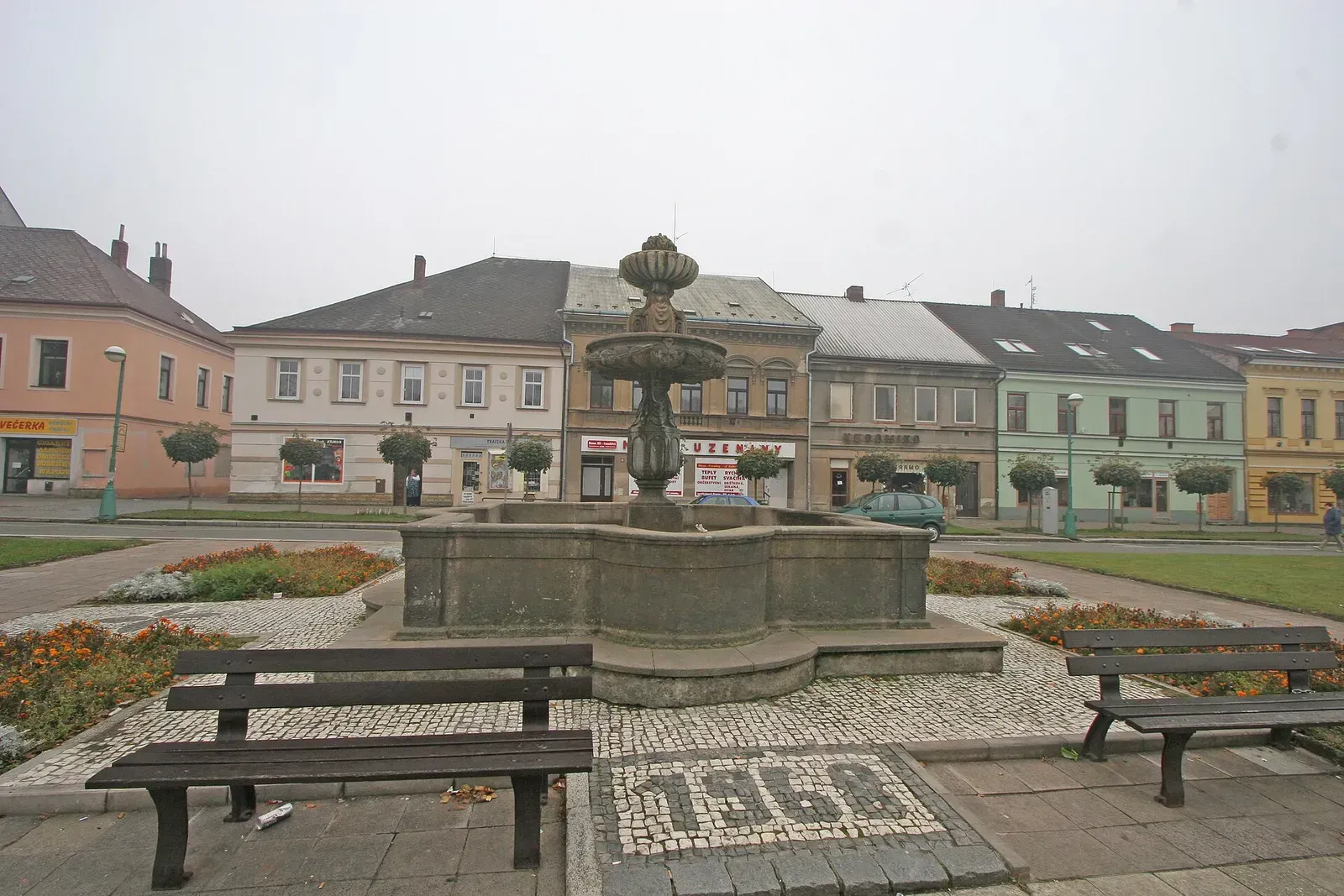
The main square is functional and built for the people who live there. There are zero souvenir shops. The buildings sit on Renaissance foundations beneath Baroque and 19th-century facades. We walked past the Church of St. Andrew, a heavy structure that has survived multiple fires.
A bakery sells fresh rohlíky, the standard Czech bread rolls that cost a few crowns. The smell of yeast mixes with woodsmoke from residential chimneys, heavy and sharp like burnt sugar. We drank espresso in a small café where the owner brought Pavel his usual order without asking.
Many people here commute to Hradec Králové fifteen kilometers away. Třebechovice is quiet during the day. Residents are fiercely defensive of their mechanical nativity. They are equally attached to the mundane aspects of their town, like the way the river floods the surrounding meadows every spring.
Pavel mentioned his grandfather, who spent his working years in the local tannery. The town used to smell heavily of chemicals and raw hides. That industry is gone. The physical remnants remain in the architecture of the old workshops near the water.
The Spirit of the Orlické Foothills
You do not have to fight past tour groups in Třebechovice. I spent the afternoon walking the flat banks of the Dědina. Weeping willows drag their branches in the slow, muddy water, sounding like wet brooms against the current.
The mechanical nativity is the ultimate example of a specific Czech concept: lidová tvořivost. It translates roughly to folk creativity. The term describes art made by untrained people who simply felt compelled to build things. This town has a long record of ordinary people working wood, leather, and metal by hand. They did not carve to exhibit in Prague galleries. They carved for their own rooms and their own neighbors.
Skill dictates respect here. A perfectly drafted half-liter of local beer or a straight wooden joint carries weight. The aesthetic is purely practical.
Why We Travel Small
By late afternoon, I sat on a bench near the sports field. A group of teenagers walked past, carrying football boots and shouting at each other. They stood on the same ground the Orebites marched across in 1423. They were entirely focused on their phones and the upcoming match.
Třebechovice skips the spectacle of major tourist centers. The appeal is the lack of performance. You get the mechanical obsession of three 19th-century carvers, a hill that birthed a medieval militia, and a river that ignores both. The town exists entirely for the people who live in it.
Visiting Responsibly and Deeply
Do not treat the town as a quick stopover on the way to the mountains. Pay the entry fee at the Museum of Nativity Scenes and actually watch the gears turn. Eat a heavy plate of meat and dumplings at a pub on the square.
When you climb Oreb hill, recognize that a peasant army fundamentally altered European history on that dirt path.
Saying Dobrý den when you walk into a shop and Děkuji when you take your coffee changes how people look at you. If you show up and pay attention to the specific mechanical and historical details of the town, people will talk to you.
Jan's Pro-Tip
Book a room in one of the local guesthouses instead of driving back to Hradec Králové. Everything shuts down by 5:00 p.m. Grab a beer at a local hospoda, walk the river path in the dark, and enjoy the absolute silence of a Czech provincial town.