
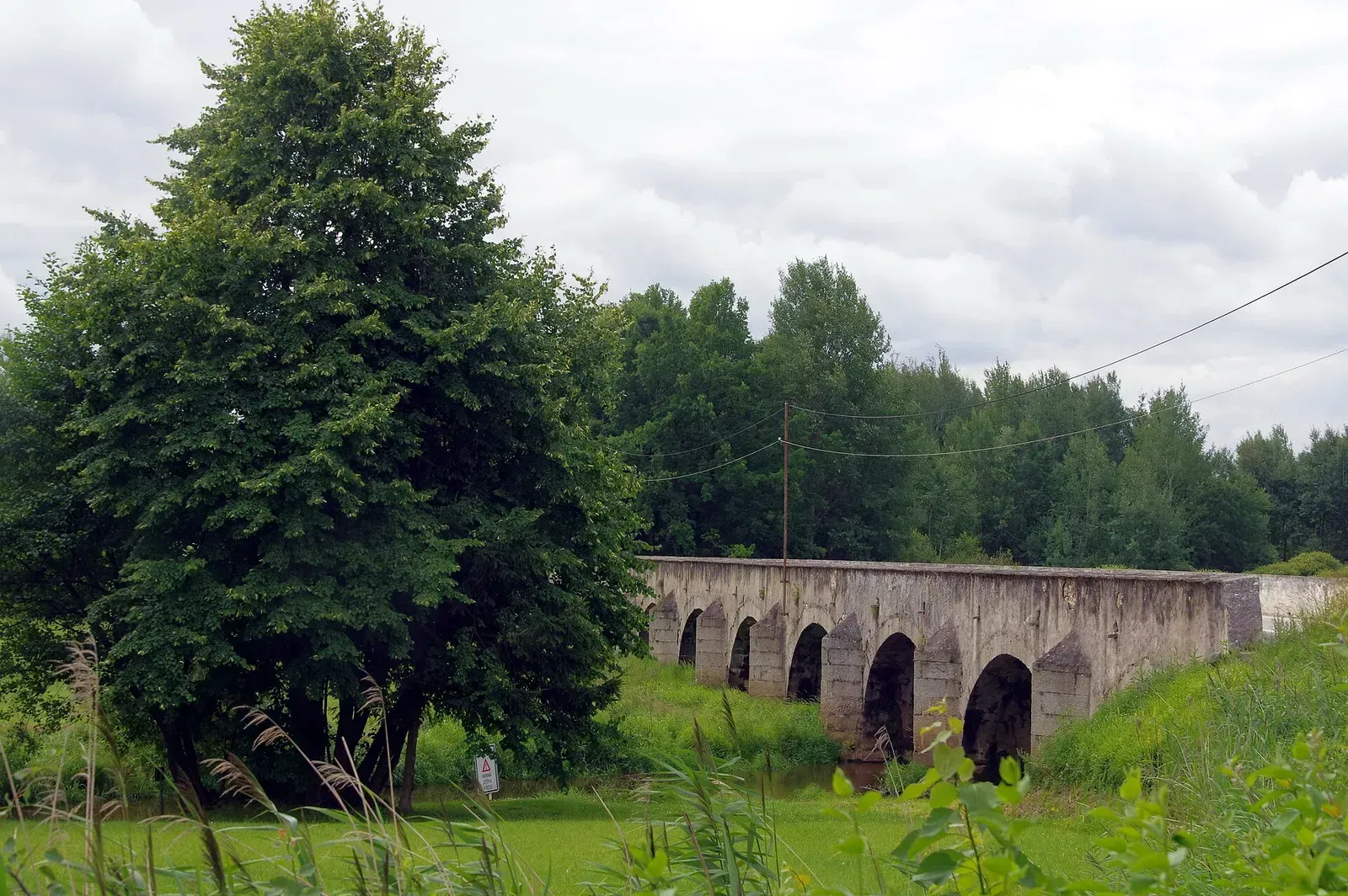
My bicycle tires crushed the fine gray gravel bordering Třeboň's Svět pond. The morning draft carried a scent I had never encountered in Bohemia: a heavy mix of damp peat, freshwater reeds and the faint smell of fermenting malt from the town brewery. Mist peeled off the water in long ribbons, revealing massive oaks planted along the dikes in the 1500s.
I took the train south to get away from the concrete crush of Prague. I leaned my bike against a wooden fence and watched an old man in a faded green jacket untangle a fishing line. He told me his name was Václav. He kept his eyes on his hands and simply nodded toward the water. "The carp are waking up," he said in Czech, his voice matching the texture of the gravel path. This was my introduction to a town governed entirely by water levels and fish seasons.
Engineering a Swamp
You miss the point of Třeboň completely if you view the landscape as natural scenery. The ground here is a piece of working infrastructure. While other European lords spent the late 16th century financing cathedrals, the Rožmberk family paid Jakub Krčín of Jelčany to engineer a massive wetlands system. Krčín ignored local complaints and terraformed the entire region.
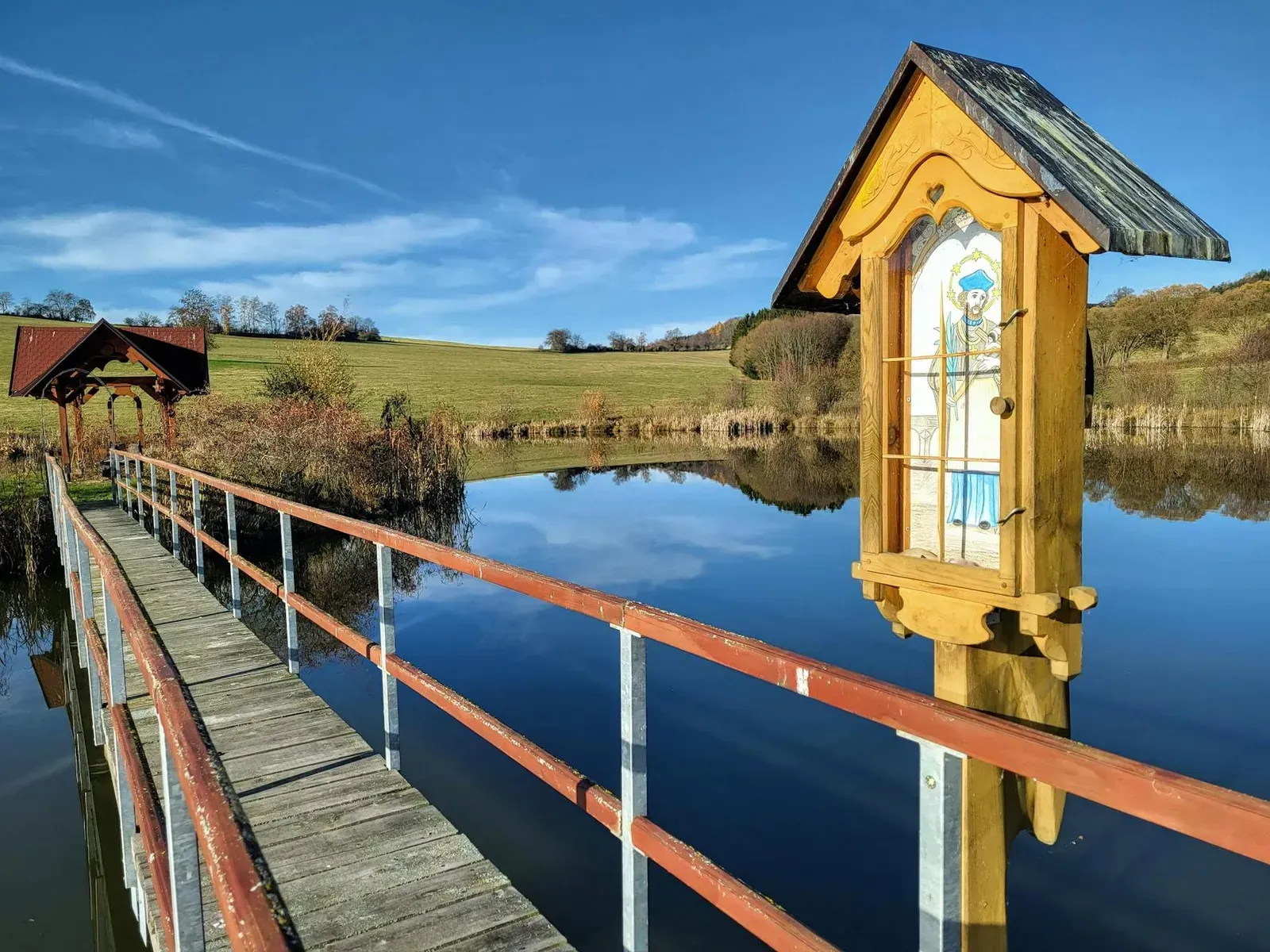
Václav pointed east toward the Rožmberk pond. It is the largest fishpond in the country and mimics an inland sea. Krčín connected this massive basin using the Golden Canal (Zlatá stoka), a 45-kilometer artificial waterway that still flows today. The system manages water levels between dozens of ponds using only gravity. The design relies entirely on a precise calculation of natural slopes.
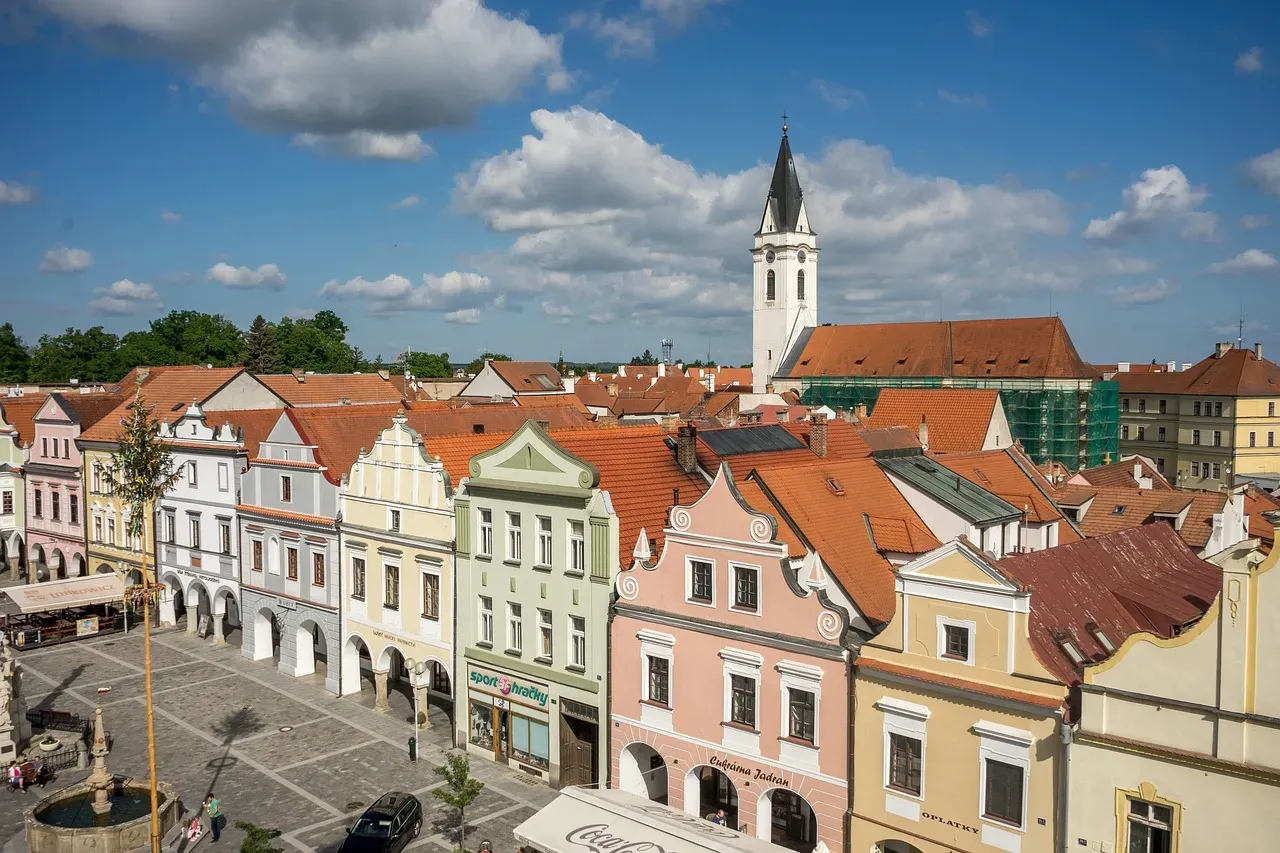
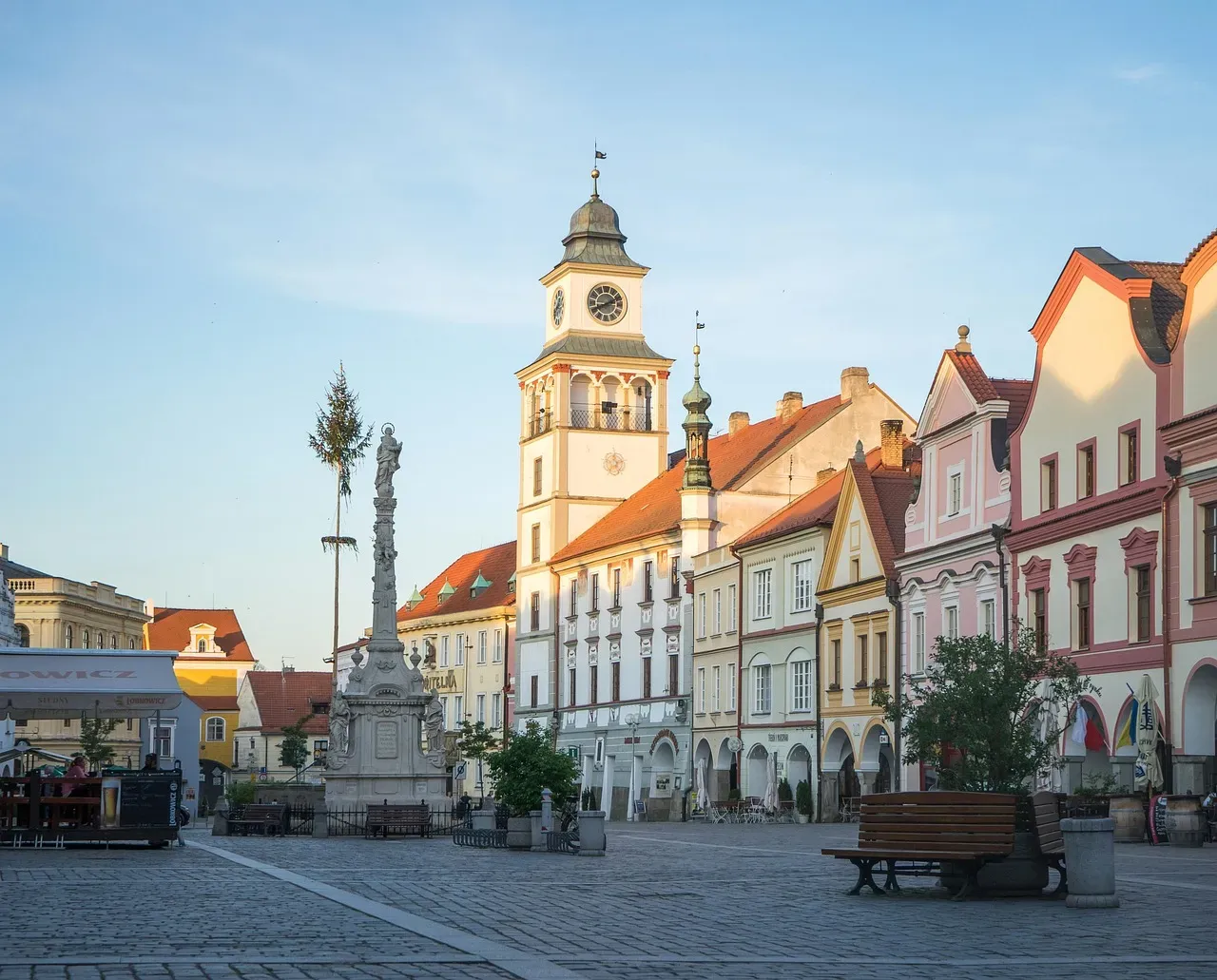
I walked into the town center and saw the financial results of that water management. Masaryk Square is lined with Renaissance and Baroque facades painted in pale ochre, dusty rose and cream. Children ate ice cream on the town hall steps while people drank espresso before their shifts. The five-petalled red rose, the Rožmberk emblem, is stamped on everything from the castle gates to the local beer labels. Water generated the wealth, and the wealth built the town.
Garlic, Carp and a 14th-Century Brewery
By midday, the cold smell of the ponds shifted into something heavy and fried. The Třeboňský kapr is a Protected Geographical Indication fish that dominates the local diet. Most Czechs eat carp only on Christmas Eve, usually complaining about the bones and muddy flavor. Třeboň raises its fish in mineral-rich peat and feeds them traditional grain, which completely changes the meat.
I found a tavern called Šupina a short walk from the square and ordered kapří hranolky, the local carp fries. The kitchen served thin strips of fish marinated in garlic, cumin and paprika, fried until the edges curled and crisped. I drank a cold Regent beer with it. The bitterness cut straight through the hot oil.
The Regent brewery opened in 1379. I sat in its courtyard that afternoon and watched the sun hit the copper vats. Třeboň has essentially survived on brewing and fishing since the Middle Ages. The town burned down, borders changed and governments collapsed, but the residents kept pulling carp from the mud and boiling malt. The pairing of bitter lager and fried fish makes absolute sense when you eat it at the source.
Neo-Gothic Tombs and Healing Mud
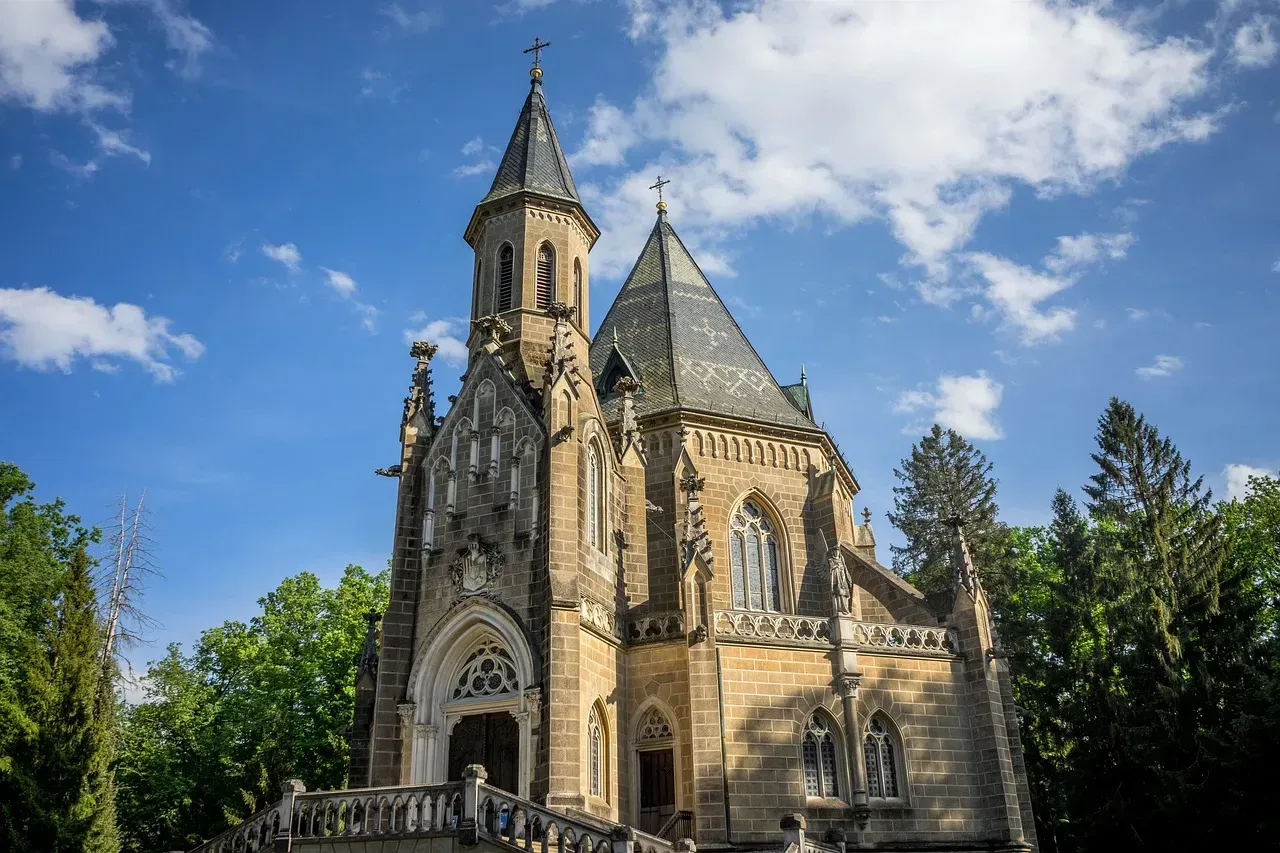
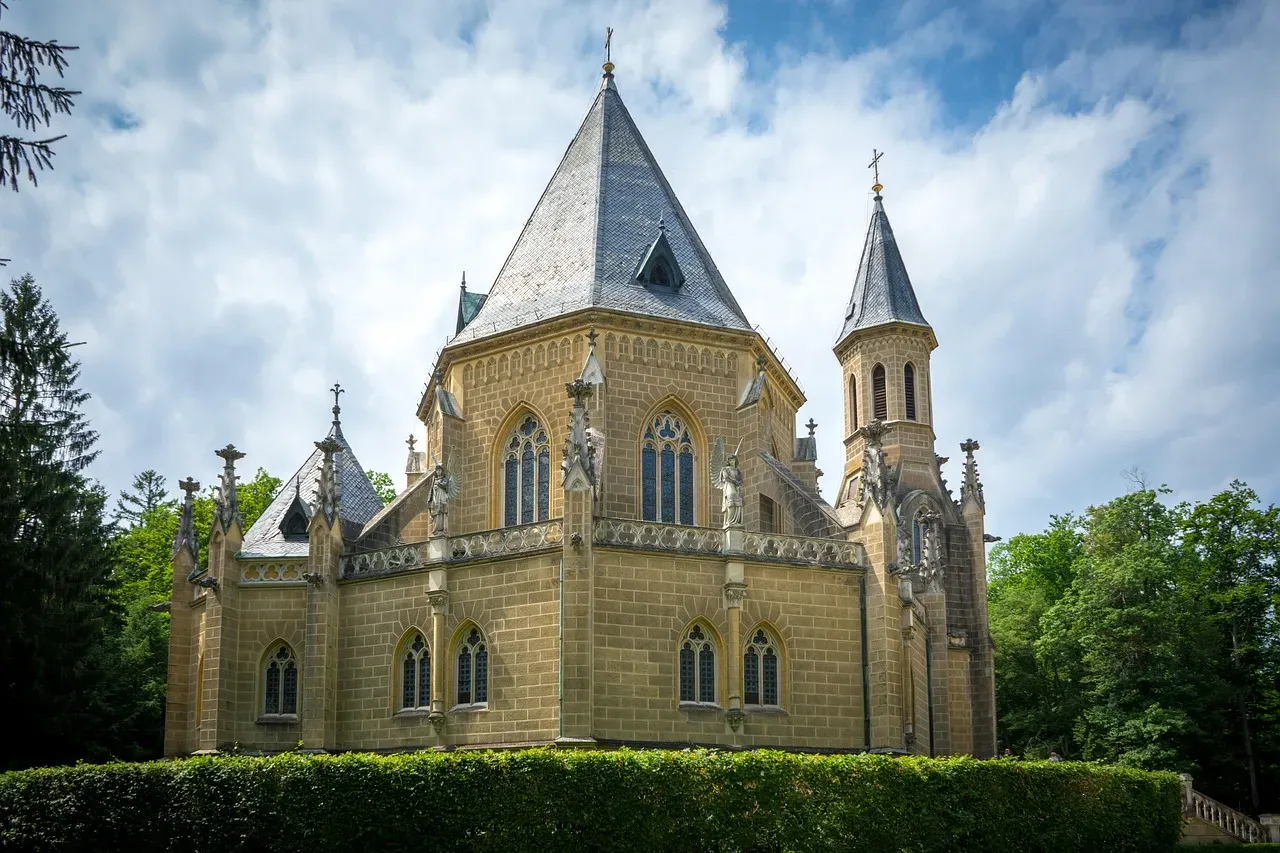
I walked south toward Domanín to clear the heavy lunch from my system. I followed a path shaded by massive trees to the Schwarzenberg Tomb. The Rožmberks built the town's initial wealth, and the Schwarzenbergs took over the estate in the 17th century to expand it.
The tomb is a neo-Gothic monolith isolated in an English-style park. The ground is so thoroughly saturated with water that builders had to rest the entire structure on massive wooden piles. The temperature dropped noticeably near the chapel walls. Twenty-six members of the Schwarzenberg family sit in the crypt below ground level, surrounded by the same wet earth their ancestors managed.
That same peat sustains the regional spa industry. Places like Bertiny lázně (Berta's Spa) and the Aurora Spa heat the thick, dark marsh mud and use it to pack the joints of aging patients. The treatment rooms smell of wet forest floor. I skipped the mud wrap and walked through the spa parks instead, watching guests in white robes shuffle slowly between buildings. The town has a strange dual identity. Fishermen drag nets through the mud at dawn, and retirees pay to be covered in it by noon.
Cycling a Manufactured Landscape
Třeboň is entirely flat. The Třeboňsko Protected Landscape Area holds a UNESCO Biosphere Reserve designation, with paved paths running through pine forests and directly over the dikes separating the ponds.
I spent the afternoon riding aimlessly along the water. Herons stood frozen in the shallows of the Opatovický pond to my left. The Golden Canal moved slowly through the trees on my right. I passed families pedaling heavy rental bikes and men with expensive binoculars tracking birds in the canopy.
Every tree and stretch of water in this basin was placed there on purpose. The landscape exists to generate fish. The community still gathers for the autumn výlovy, the traditional pond harvests where workers drain the water and haul the carp out by hand. The process requires intense physical labor. It looks exactly as it did in the 1500s. The environmental balance works perfectly because human intervention is built into the geography.
The Speed of a Working Town
I sat on the bank of the Svět pond and watched the water turn black behind the towers of Třeboň Castle.
I came here for the specific light hitting the water at 6:00 PM and the garlic-heavy carp fresh from the fry basket. People like Václav know these ponds intimately because they have worked them for decades. Třeboň operates on a timeline measured in the 400 years it takes an oak tree to anchor a dike and the hours required to brew a proper batch of beer.
Jan's Pro-Tip: The Morning Dike Ride
Rent a bike early and ride the dike separating the Opatovický pond from the smaller lakes. Go before 7:00 AM. You will see the mist lifting off the water and find the fishermen already at their stations. Getting out before the spa guests wake up is the only way to understand how massive this water system actually is.