
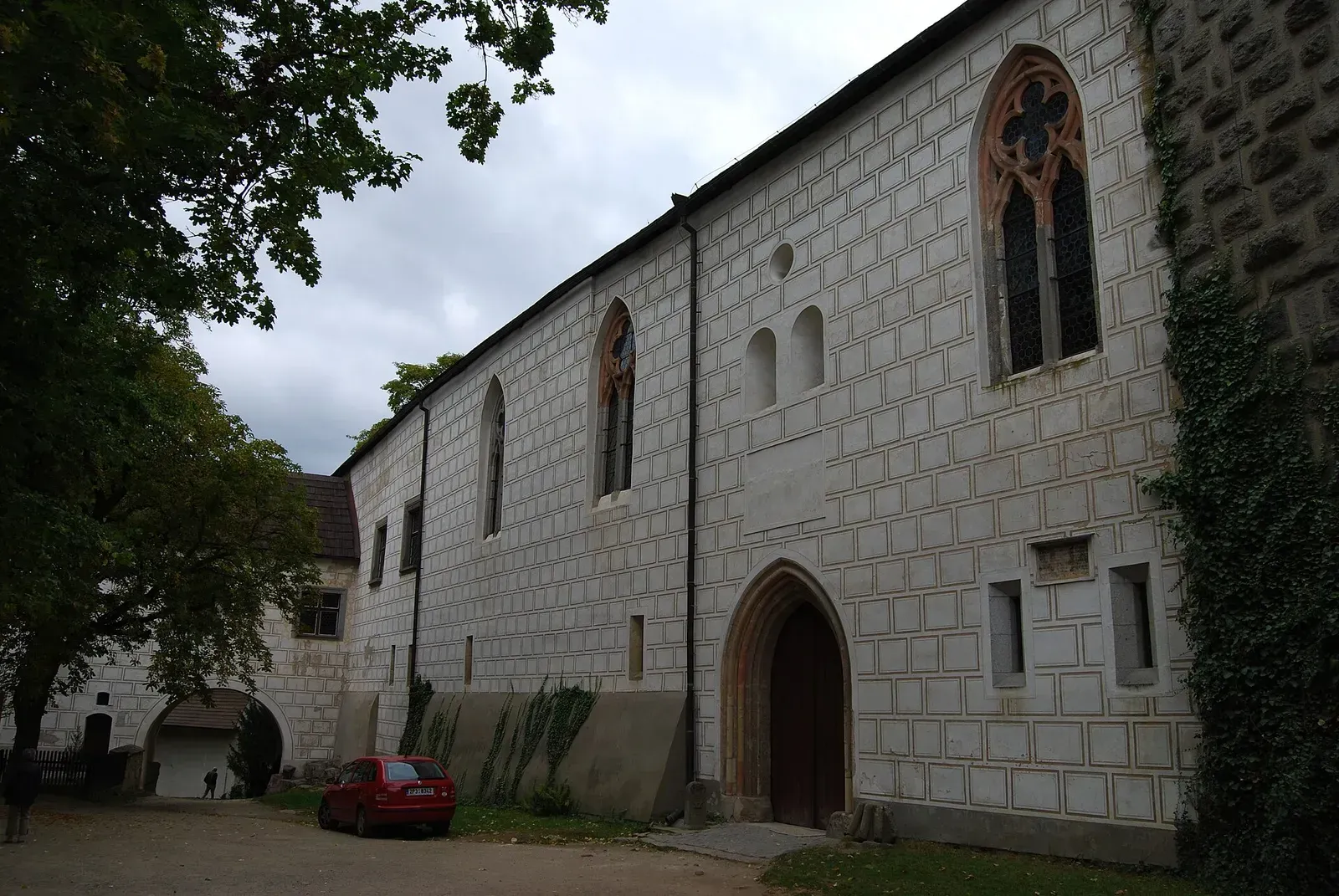
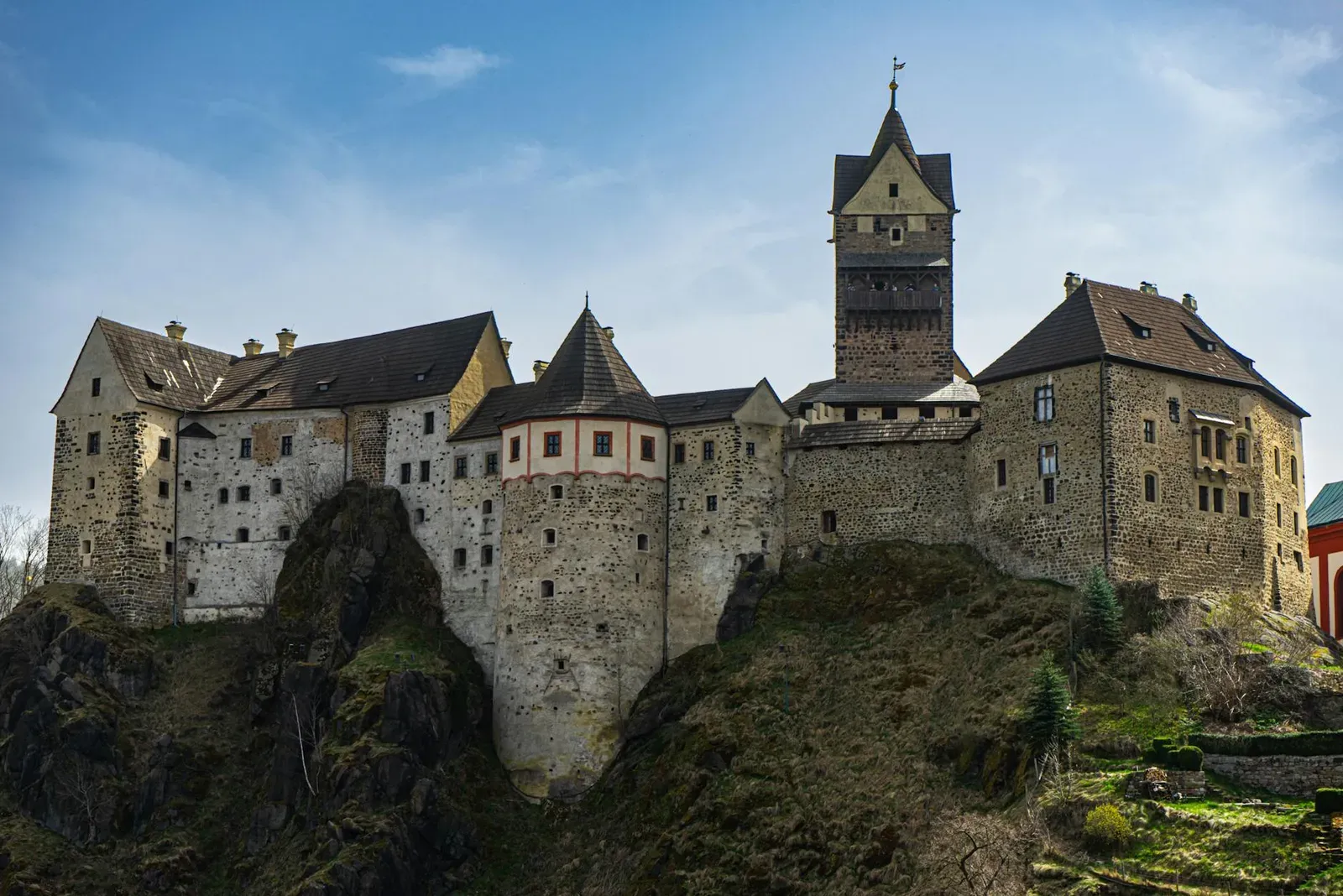
Most tourism boards photograph Zvíkov Castle at sunset, hoping the pink light softens the architecture. It fails completely. Before Charles IV laid a single ceremonial brick at Karlštejn, the Přemyslid dynasty slammed this wedge of granite into the junction of the Vltava and Otava rivers. It was not designed to be admired. It was built to make approaching armies turn around and go home.
Today, thanks to a 1960s socialist engineering project, the river laps gently against the lower battlements, giving the fortress the unearned reputation of a serene waterside retreat. But walk up the steep incline to the Písek Gate, and the medieval hostility of the place asserts itself immediately.
Forty-Four Layers of Hostile Stone
At the core of the courtyard sits the Hlízá Tower, frequently called the Black Tower. Its walls run three and a half meters thick. The rough, unyielding stone feels like pressing an ice cube against your collarbone. In the 19th century, romantic historians decided the strange, rune-like scratches on the blocks were left by ancient Germanic tribes.
Modern archaeologists ruined the myth. They are the 13th-century signatures of the medieval stonemasons who stacked these 44 layers of rock under Přemysl Otakar I. In 1234, the burgrave Konrád of Janovice slept inside this structure. The sheer density of the room swallows sound entirely, leaving only the sharp grit of your boots scraping across the floor.
The Camera-Killing Resident
The royal palace comes with an undocumented tenant. Archive records dating to 1597 complain about the Zvíkovský Rarášek, a local poltergeist or goblin blamed for chasing out workmen and terrifying hunting dogs. It became enough of a cultural fixture that Ladislav Stroupežnický wrote a comedic opera about it in the 1880s.
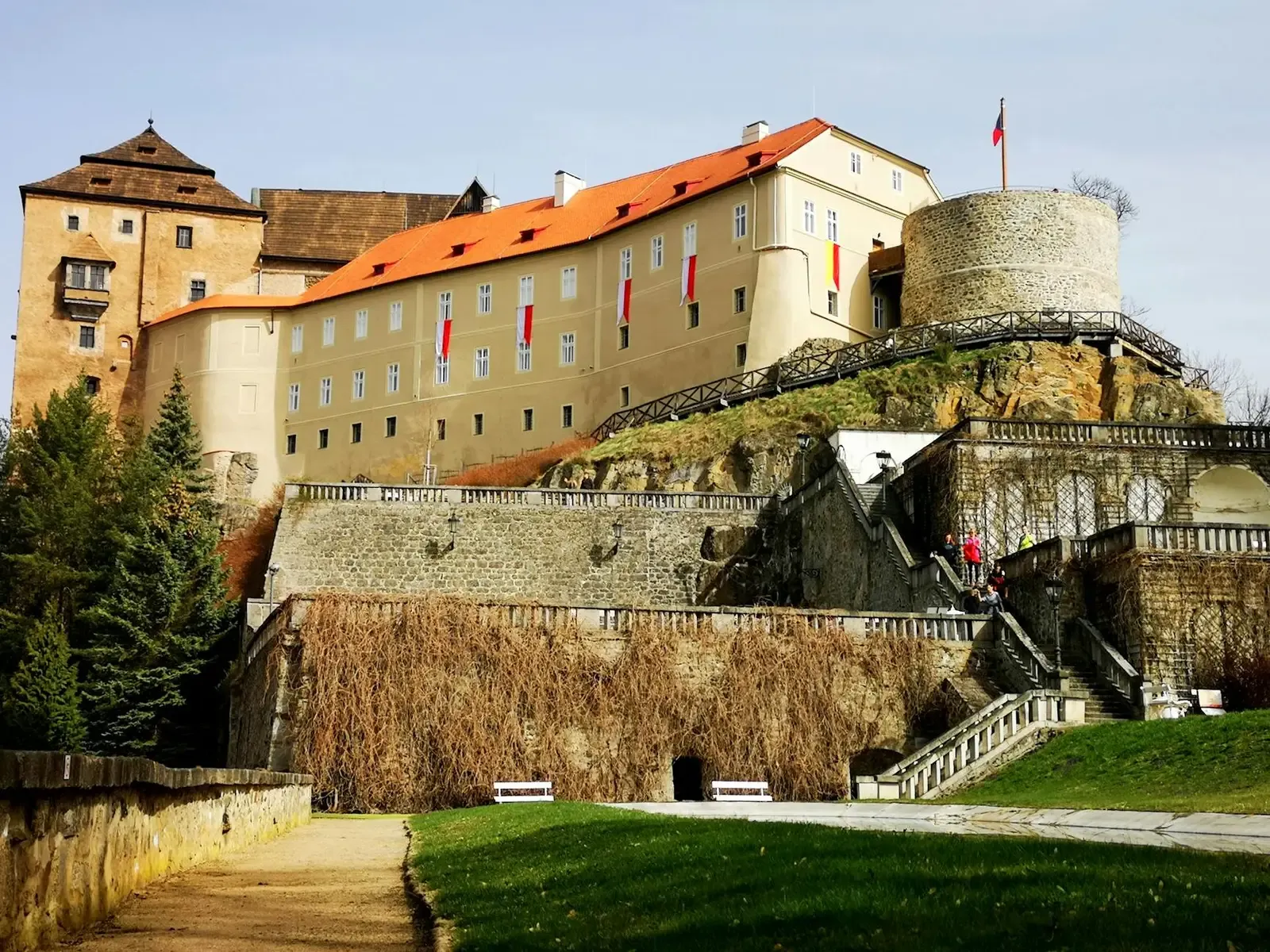
I walked into the arcade courtyard—a pentagonal space lined with sharp, pale Gothic arches—and pulled out a camera that had a full charge in Prague exactly three hours earlier. The screen blinked red and died instantly. You can blame the thermal drain of cold masonry, or you can blame the Rarášek. I shoved the dead plastic into my coat pocket and stopped trying to document every angle.
The Chapel That Refused to Burn
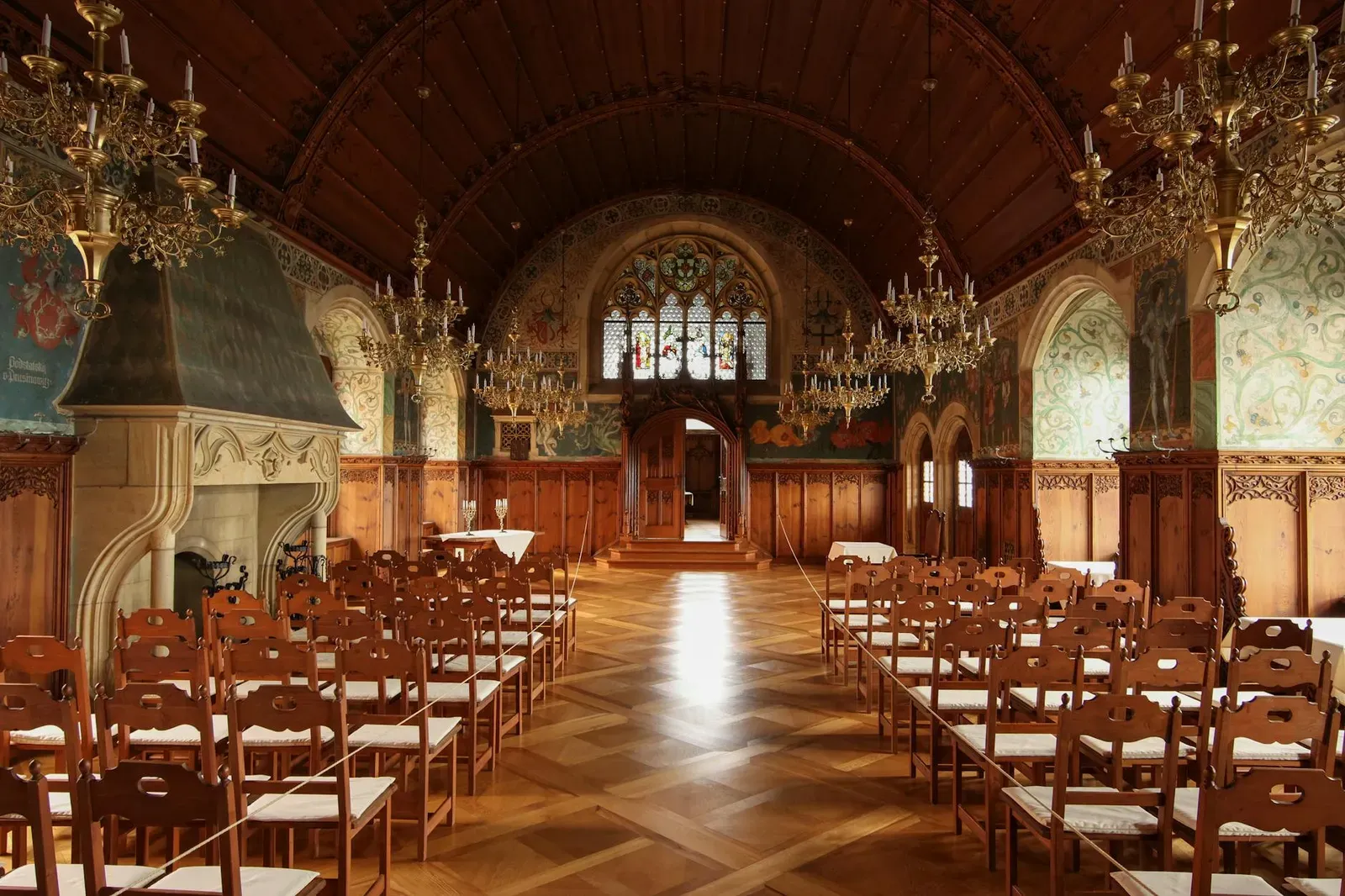
Military engineering dominates Zvíkov, but the St. Wenceslas Chapel breaks the pattern. The damp inside the room feels heavy, a trapped cold sitting undisturbed for half a millennium. Late Gothic frescoes from the 1400s cover the plaster, their pigments oxidized into bruised purples and flat, rusted reds. Above the altar sits a wooden relief carved around 1500 by a master who never signed his work.
Outside this doorway, the castle absorbed extraordinary violence. In 1429, a Hussite army threw themselves against the outer walls for four months and broke. During the Thirty Years' War, a miserable garrison of 140 men held off 4,000 imperial troops. All that butchery happened yards away, yet the painted saints inside the chapel survived without a scratch.
The Lie of the Landscape
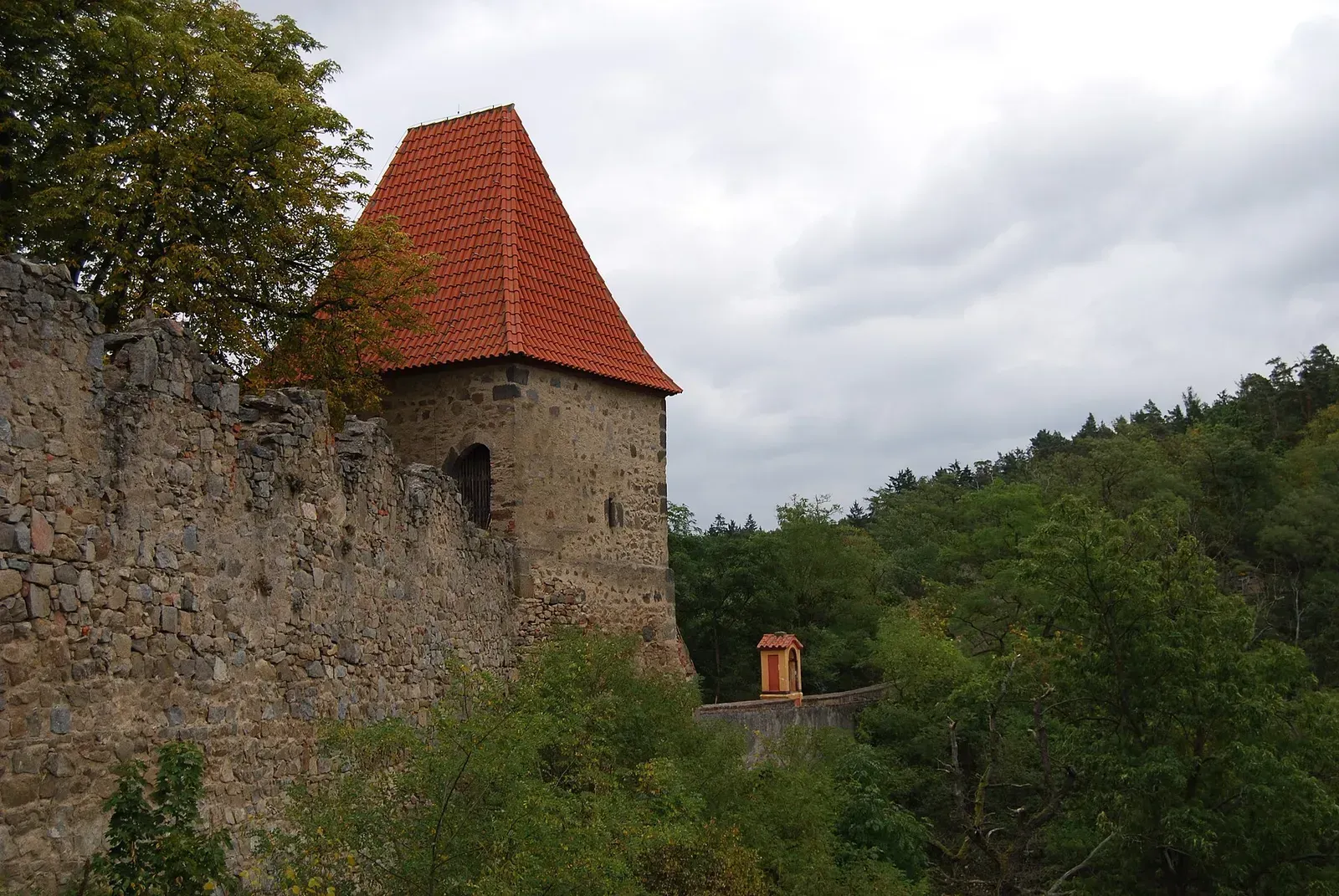
If you stand on the southern terraces and look at the water, the geography lies to you. The river seems completely natural, gently washing against the base of the 32-meter Hláska defense tower. But before 1960, Zvíkov sat perched on a jagged, vertical cliff high above dangerous rapids.
Between 1954 and 1962, the government poured the Orlík Dam, drowning fourteen mills, wiping out entire villages, and pushing the water level up by 60 meters. Zvíkov did not move. The river came up to swallow the valley. Today, your entry fee buys the mortar that stops the 13th-century foundations from sliding into the reservoir. There is no costumed medieval jousting here, no overpriced themed tavern at the gate. You walk the empty corridors, accept the historical chill, and leave.
Jan's Pro-Tip: The Water Approach
Do not drive your rental car straight to the main castle lot. Instead, park in the village of Zvíkovské Podhradí. Walk down the hill to the dock and wait for the small ferry that crosses the Vltava.
It costs a pocketful of crowns and takes ten minutes. The diesel engine rattles your teeth, and the wind off the water carries the sharp smell of algae and cold mud. It is the only way to see the fortress exactly the way approaching armies did—rising out of the riverline like a physical threat.