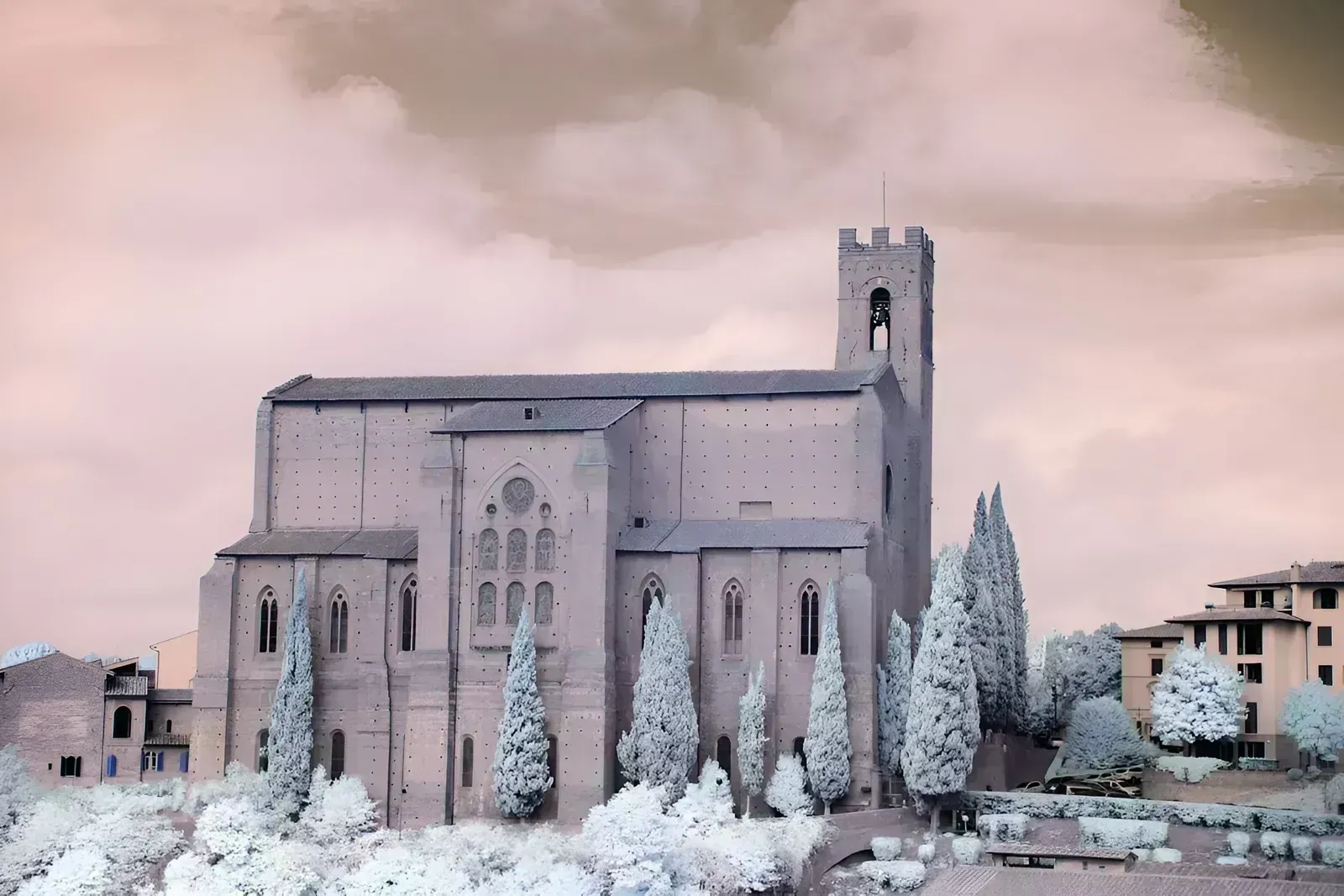
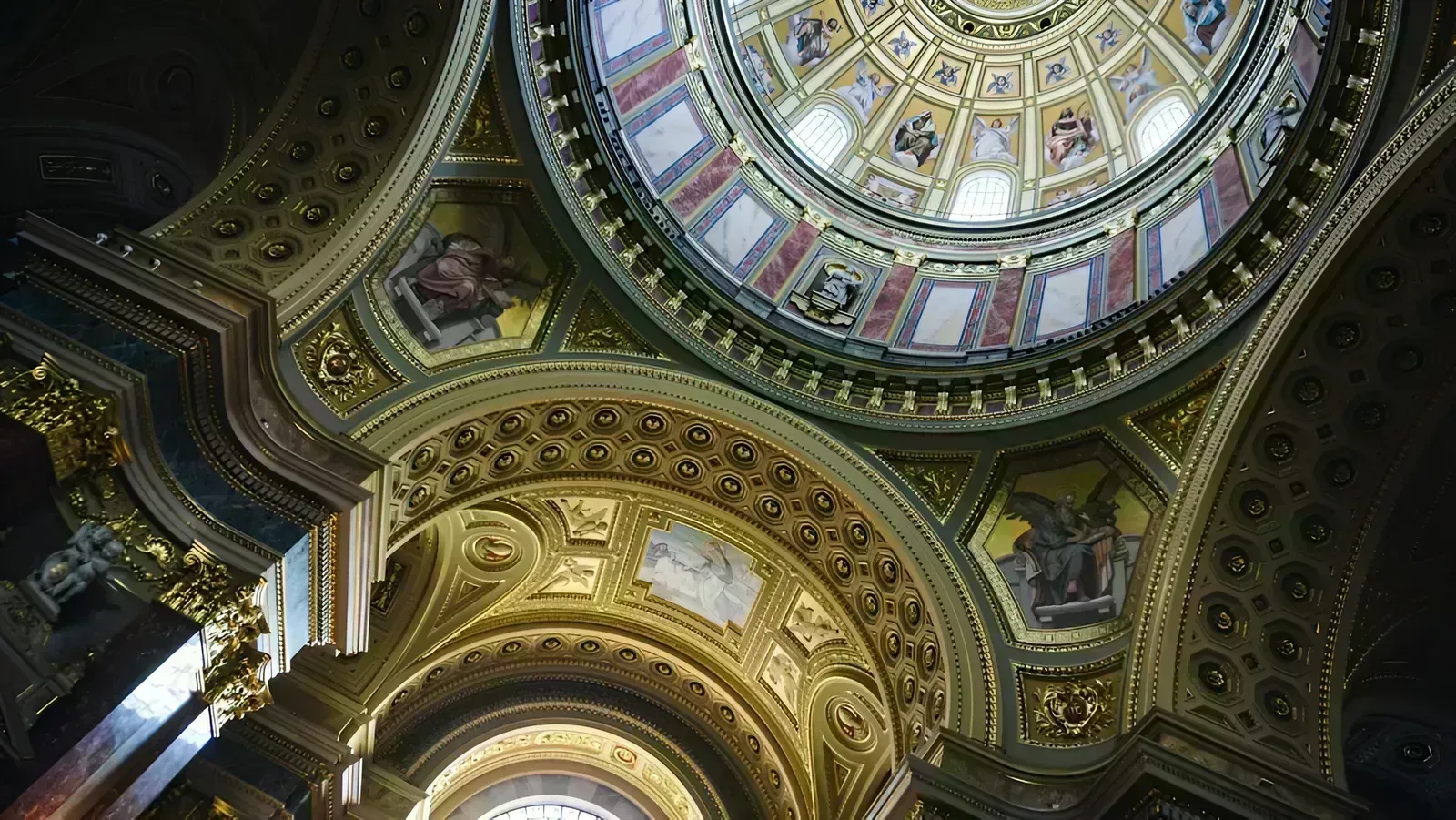
The magnificent and massive Baroque dome of the Basilica of St. Lawrence and St. Zdislava.

by JanMarch 11, 2024

The Weightless Dome and the Waterproof Bible: Tracing Miracles in Jablonné v Podještědí

What first strikes you about the Minor Basilica of St. Lawrence and St. Zdislava in Jablonné v Podještědí isn't the history, though it spans centuries. It’s the sheer, impossible *mass* of the dome hanging high above, almost silently defying gravity.

Arriving on an early morning, after a slight detour from a trail in the foothills, the air is cool and carries the damp, earthy scent of ancient stone. The effect is most potent near the newly repaired stone staircase and balustrade—work from the exterior renovation completed between 2011 and 2013. It’s the kind of place that makes you stop, hands jammed in your pockets, and just stare up.

It's hard to reconcile the deeply traditional Baroque façade with the unbelievable engineering feat soaring above it. Squinting against the low sun, you can trace the curve of the massive dome. A crucial piece of trivia: this dome, measuring 82 feet by 58 feet, was designed by the master architect Rafael Guastavino, and it was constructed entirely *without* steel beams. It’s a testament to materials—stone, brick, and tile—laid in an open-air environment, creating a structural integrity so solid it feels almost magical. You stand there for a long time, feeling infinitesimally small against the backdrop of such impressive, yet humble, masonry. This is not just a church; it’s a structural paradox built on faith and ingenuity.

Where Miracles Meet Masonry: The Butcher, the Walnut Tree, and the Pilgrimage Path

[[image-left:basilica_exterior]]

The quiet morning light filtering onto the granite column outside, topped with Stefano Galletti’s bronze statue of St. Lawrence (erected in 1865), gives the exterior a solemn, dignified feel. But to truly understand this place, you have to peel back the layers of stone and stucco and get to the soil beneath your feet.

The story of this basilica really begins with its origin as a pilgrimage destination, which dates back officially to 1341. It’s a wonderfully specific, human story: a journeyman butcher, taking a rest under a walnut tree, discovered a mysterious wooden statue of the Virgin Mary with Child. This seemingly simple, miraculous finding spurred the construction of an initial wooden chapel built nearby, specifically beneath a hazel bush, establishing the area known as Chlum as a central spiritual site.

Hearing that history, you realize that the basilica isn't just an endpoint; it's the culmination of centuries of movement and devotion. The basilica’s official designation as a minor basilica in 1996 formalized its spiritual importance, confirming its vital role in the Roman Catholic Church. This dual history—one of simple, miraculous origin and the other of high architectural achievement—is what makes Jablonné so fascinating.

The basilica’s dedication to both St. Lawrence and St. Zdislava reflects this spiritual depth. St. Zdislava, in particular, holds immense local significance. She is the patron of difficult marriages and those ridiculed for their piety. It adds a layer of profound, personal empathy to the granite walls. The fact that the relics of both saints are housed within the church provides a tangible connection for the faithful, drawing pilgrims year-round, especially for St. Zdislava’s particularly important local feast day on January 4th.

Stepping Inside the Baroque Heartbeat

[[image-right:basilica_interior]]

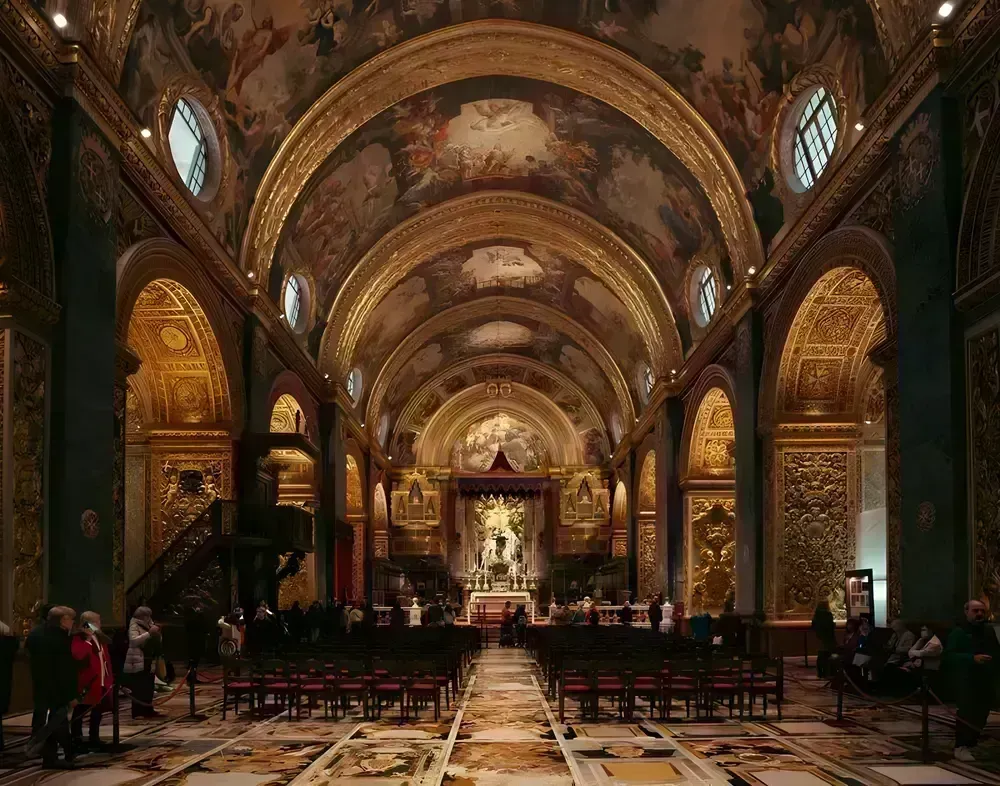
Stepping through the main doors, the world outside—the modern world, the hiking trails, the day-to-day bustle—fades entirely. The immediate change in atmosphere is palpable: cool, silent, and overwhelmingly artistic. The sheer density of ornamentation can leave you slightly dizzy, especially after learning that much of this interior grandeur stemmed from a crucial restoration period between 1721 and 1732. This was when the renowned Italian sculptor and stucco artist Baldassar Fontana was commissioned to redesign the interior, essentially cementing the basilica’s rich Baroque identity.

Moving slowly along the nave, which is flanked by eight side chapels, the ceilings are where the true artistic narrative unfolds. Up in the presbytery vault, you can make out the symbols of the Litany of Loreto, centered around three vast frescoes depicting the Holy Trinity, the Glory of God, and the Assumption of the Virgin Mary. The stucco decorations are so rich, so textured, that they seem to breathe.

What is most striking, perhaps because of the contemplation of the dome’s exterior, is the spot where the dome intersects with the transept. Here, the vaulted ceiling culminates in a lantern housing a symbolic dove, representing the Holy Spirit. Looking up into that light-filled space, supported by Guastavino’s ingenious, steel-free construction, feels like witnessing the meeting point of human genius and divine inspiration.

Attention eventually drifts to the side altars. While the main altar is a later pseudo-Baroque structure created in 1898, some of the smaller altars, like those dedicated to St. Anne and the Virgin Mary, clearly exhibit the intricate Rococo designs typical of the 18th century. One detail that stands out is the presence of a Late Gothic statue of the Madonna, which predates 1510. Seeing this much older piece nestled among the Baroque and Rococo finery is a powerful reminder that this site’s sacred history stretches far, far back beyond the grandest renovations.

The complexity of preserving all this history is ongoing. Small placards indicate areas of recent work. The comprehensive interior reconstruction that occurred between 2018 and 2020 clearly addressed everything from the plaster and historical furnishings to modernizing the electrical installations, demonstrating the community's commitment to preserving this artistic and structural heritage for future generations.

The Mysteries of the Monastery: Cigarette Paper and Lost Manuscripts

The basilica shares its space with the old Dominican monastery building, and this is where the *real* off-the-beaten-path intrigue begins.

After saturating yourself with Baroque splendor, following a sign that promises an exhibition on the Bible can be a highlight. You might expect dusty tomes and perhaps a few illuminated pages. What you'll find is a treasure trove of unique, almost eccentric, historical and spiritual texts that completely redefine what "preservation" means.

The exhibition features an extensive collection of Bibles, showcasing their adaptability across time and culture. You can see a 16th-century edition of Melantrich’s Bible—a monumental piece of Czech printing history. Then come the truly unique items: a Zulu language Bible and an Esperanto Bible, demonstrating the text’s global reach.

But the exhibit that truly floors most people is a manuscript of the Gospel of Mark handwritten entirely on cigarette papers.

[[image-left:bible_exhibit]]

Standing in silent fascination, you can contemplate the painstaking patience and devotion required for such an endeavor. Nearby, another exhibit demonstrates resilience in a modern way: a waterproof Bible displayed submerged in an aquarium filled with water. It’s a powerful, visual metaphor for faith enduring all elements, but also a wonderful example of how these historical sites are adapting to modern exhibition standards while maintaining their spiritual focus.

The monastery’s history is not just about preserved texts; it also holds a famous historical mystery. While wandering through the corridors, you might read about the 1946 disappearance of a convoy carrying thousands of manuscripts from the monastery, including autographed scores by classical giants like W. A. Mozart and L. van Beethoven. The fact that some of these manuscripts later resurfaced in East Germany and Kraków adds a layer of espionage and intrigue to the basilica’s already rich history. It’s hard to imagine, standing in the quiet of this gallery, the drama of those lost historical treasures, now scattered across Europe.

Before leaving the monastery complex, take a moment to reflect on the basilica’s enduring role. Below the main structure lie the extensive catacombs, which have served as the burial site for Dominican monks since the late 18th century. It’s a reminder that this site has always been, and remains, an active place of life, death, devotion, and community.

Echoes of Celebration and the Evolving Identity

The vibrancy of the community engagement here is palpable. While the site is a place of deep historical reverence, it is also a living cultural institution. The basilica continues to serve as a focal point for local tradition, hosting grand festivities to mark important anniversaries, such as the centennial celebration of the pilgrimage site in 1732, which drew thousands of pilgrims from Moravia and surrounding regions.

Today, that tradition continues, though perhaps adapted for modern life. Beyond the major religious observances and pilgrimages—which still attract large crowds seeking both spiritual nourishment and communal engagement—the basilica opens its doors to culture. During the summer season, it hosts classical music concerts.

This blending of roles—part spiritual sanctuary, part cultural venue—highlights the basilica's evolving identity. There are ongoing discussions concerning the balance between managing traditional pilgrimage practices and incorporating modern cultural events. Watching local volunteers set up chairs near the nave, presumably for a concert or smaller gathering, you realize this tension is vital. It keeps the basilica relevant, ensuring that its stories—of St. Zdislava, of the butcher's discovery, and of Guastavino’s engineering marvel—continue to resonate with a contemporary society that seeks both spiritual fulfillment and cultural enrichment.

Leaving the Shadow of the Dome

A visit to the Minor Basilica of St. Lawrence and St. Zdislava is far more profound than just appreciating an old building. It is a journey through time, touching on the resilience of Baroque artistry, the genius of masonry, the humble beginnings of faith found beneath a walnut tree, and the sheer dedication required to transcribe scripture onto cigarette paper.

The structure is a powerful anchor for the local community, symbolizing centuries of dedication. Whether you come to venerate St. Zdislava, admire the magnificent stucco work of Fontana, or simply stand in awe beneath a dome built without the crutch of modern steel, this place offers a depth of experience few landmarks can match.

As a traveler, you leave Jablonné v Podještědí with a renewed sense of connection to history, understanding that when we visit places of such profound cultural and spiritual significance, we are not just tourists. We are participants in an ongoing narrative. If you are fortunate enough to wander these aisles or explore the unique monastery exhibition, remember that respectful engagement is key. Support the local community, tread lightly on the historic stones, and allow the quiet devotion that built this place—from the ancient chapel to the sophisticated dome—to guide your exploration.

Explore Related Tours

Inspired by this story? Check out these adventures.

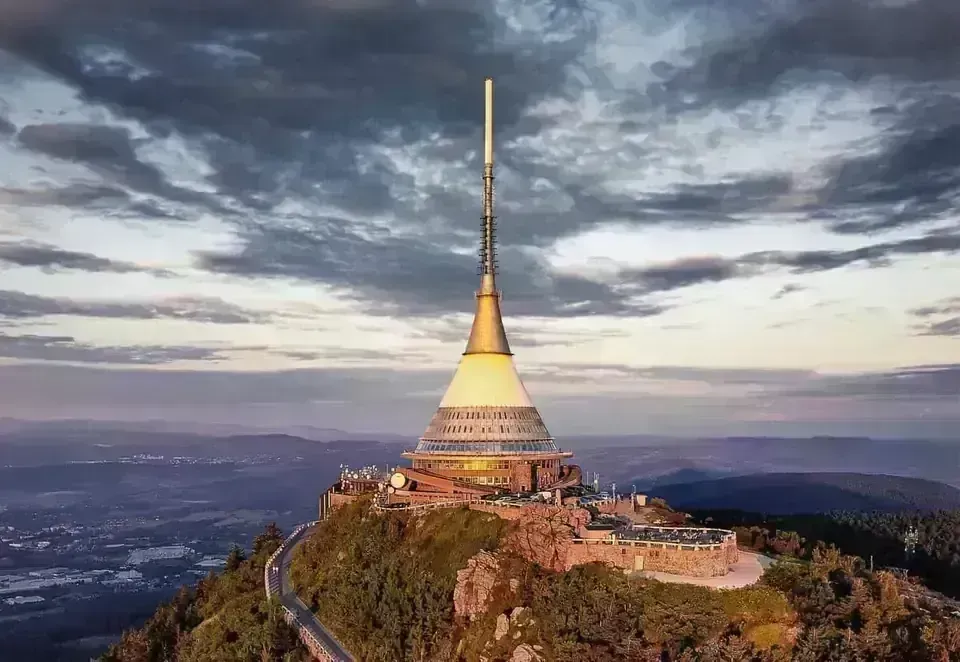
The futuristic Ještěd Tower on its mountain summit, viewed from a distance.
A full-day, self-guided or guided, private tour to Liberec and Ještěd, including transfers, and Zoo or Botanical Garden admission
Full Day (approx. 12 hours)
Moderate level
Max 15/16 travelers

From ... per person

View Details
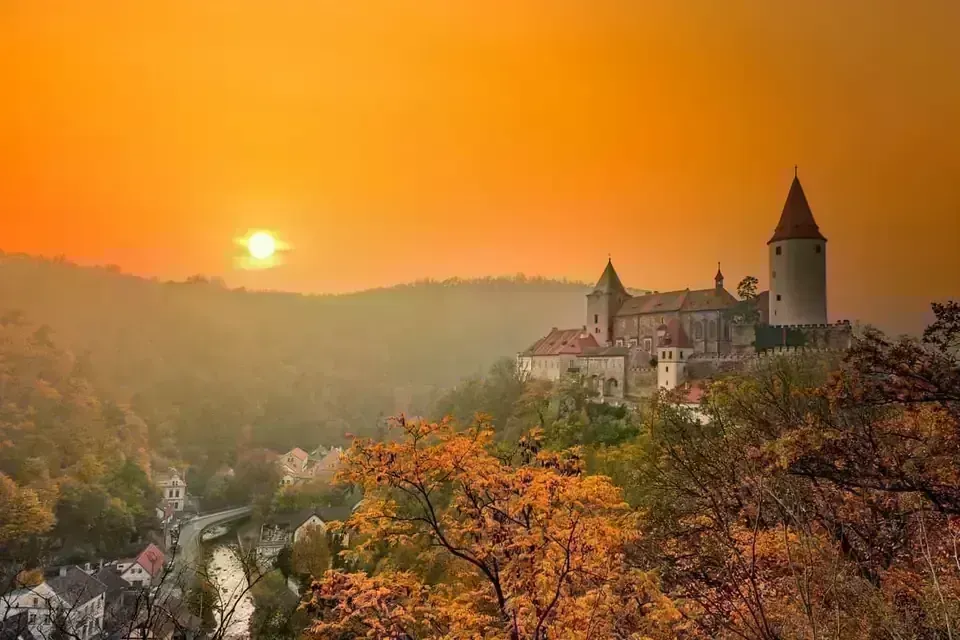
The imposing stone walls and main tower of Křivoklát Castle against a clear blue sky.
A full-day, guided or self-guided, private tour to Křivoklát, including transfers, castle admission, and train rides
Full Day (approx. 11 hours)
Moderate level
Max 15/16 travelers

From ... per person

View Details
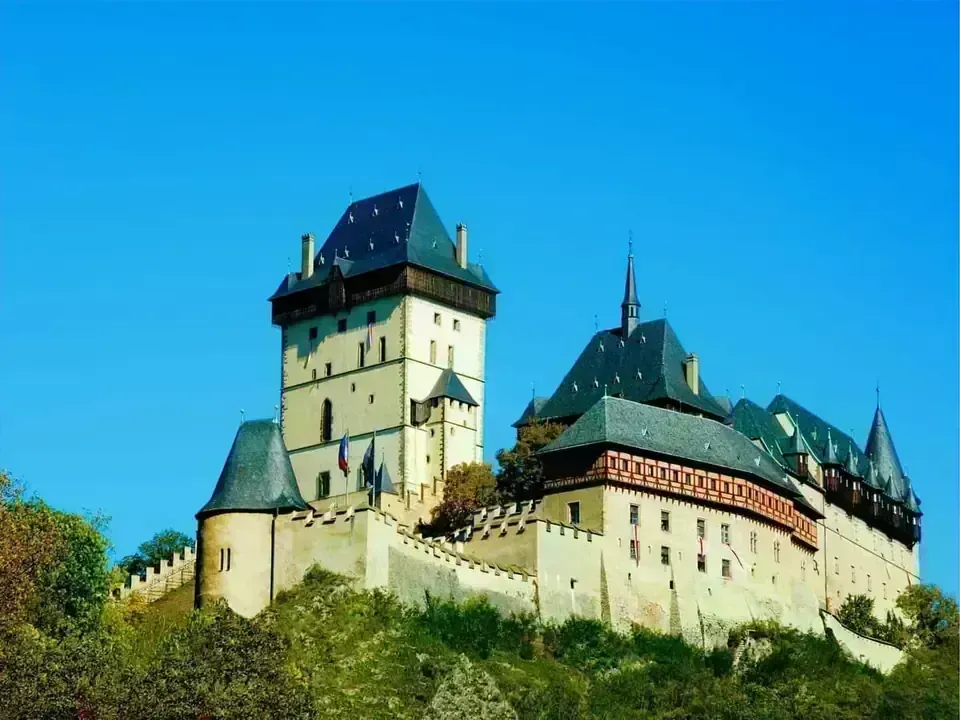
The majestic Karlštejn Castle viewed from a distance with the village below.
A 3-day private tour to Křivoklát and Karlštejn, including transfers, accommodation, castle tours, and train rides
3 Days / 2 Nights
Moderate level
Max 15/16 travelers

From ... per person

View Details

    We use cookies to enhance your experience. By continuing to visit this site you agree to our use of cookies. Learn more.