
Before you even see the pastel Baroque buildings of Karlovy Vary, you see the steam. It rises in thick, white clouds from the Teplá river, carrying a heavy, metallic scent that lets you know you’ve arrived in one of the most unique geological spots in Europe. Most people come here for the quiet spa life, but there’s something much more energetic happening under the surface.
The town sits at the confluence of the Teplá and Ohře rivers, deep in the western part of the Czech Republic. It’s been a destination for the European elite since 1370, when it was elevated to a town. But this elegance wasn't just handed to the locals; it was earned through centuries of rebuilding after fires, floods, and wars. When you walk these streets, you’re walking on a foundation of incredible resilience.
The Earth’s Pressure Valve
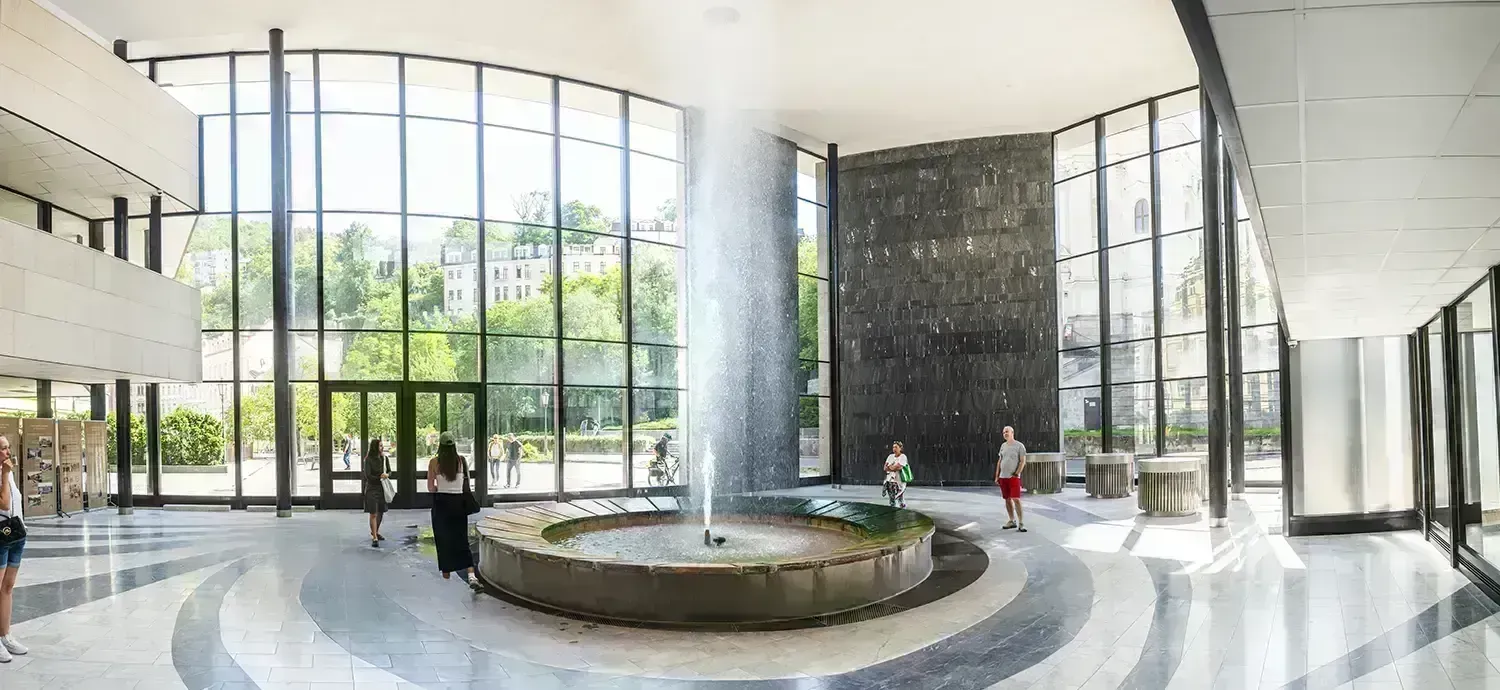
The star of the show is the Vřídlo—the Hot Spring. It’s housed in a modern glass building now, but the spring itself is pure, ancient power. Watching it shoot a roaring column of sodium-bicarbonate-sulfate water 12 meters into the air is a reminder that the town is built right on top of a massive natural boiler. The water comes out at a staggering 72°C (about 164°F) and gushes at a rate of 2,000 liters every single minute. It’s the only spring here used for the actual thermal baths, and it’s also the source for the town’s famous thermal salt.
Drinking the water is the next "ritual." You’ll see everyone walking around with these specific porcelain cups with long spouts, sipping solemnly as they wander the colonnades. It’s warm, very salty, and definitely takes some getting used to. To offset the metallic tang, grab a box of spa wafers—thin, sweet, and crisp. They’ve been a local staple for ages and are the perfect counterpoint to the heavy mineral water. If you want something stronger, there’s Becherovka. This herbal liqueur was first made here in 1807 by a pharmacist named Josef Vitus Becher. It’s bittersweet, secret-recipe stuff that’s become a national icon. Sipping a glass by the river at sunset, you realize that Karlovy Vary’s "wellness" culture has always had a bit of an edge to it.
Tsar Peter and the Hilly Backstreets
The main spa area is flat and elegant, perfect for a slow stroll. But if you want to see the real town, you have to climb. Karlovy Vary is built into a steep valley, and the streets rise sharply as soon as you move a block away from the river. I highly recommend getting a **Karlovy VARY REGION CARD**. It gives you free public transport in nearby towns and a 50% discount on the local buses here, which makes the steep inclines a lot more manageable.
As you walk, you’re literally in the footsteps of history. Peter the Great visited in 1711, and he wasn't just here to soak. In 1712, he famously won a bet by riding a horse bareback up the steep, pathless cliffs to what is now called **Peter’s Height (Petrova výšina)**. He was also known for his "manual dexterity"—he supposedly worked as a mason helping build a local house and spent time in blacksmith shops. Goethe was another regular, visiting thirteen times. It wasn't just about the "cures" for these guys; it was a cultural hub where the European elite came to talk politics and art while they soaked.
The Forest Cure
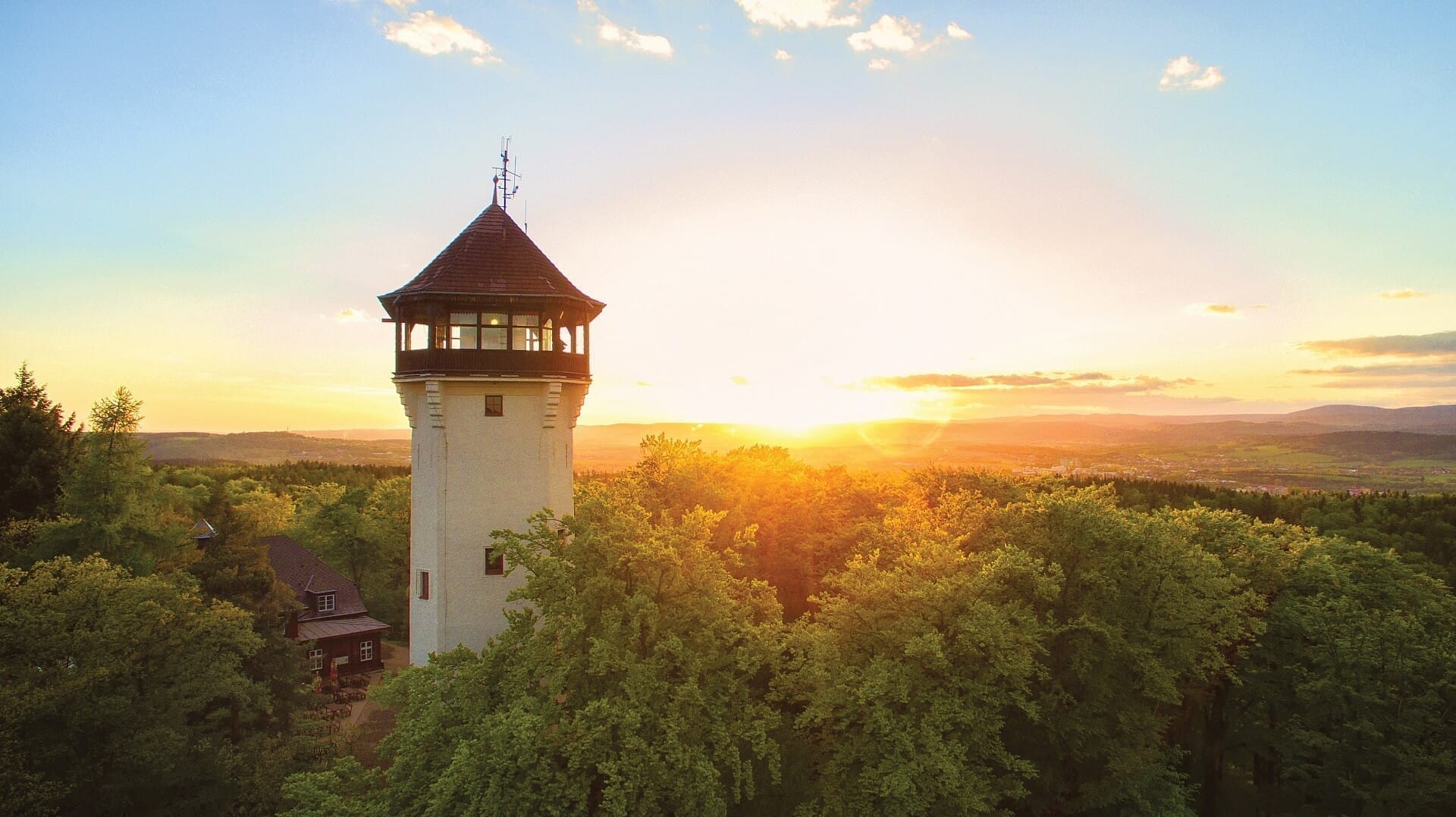
When the crowds near the colonnades get to be too much, head for the hills. The town is surrounded by over 130 kilometers of "spa forests"—well-marked trails that take you deep into the woods. I took the funicular (free with the Regional Card!) up to the Diana Lookout Tower, but the hike back down is where the real gems are.
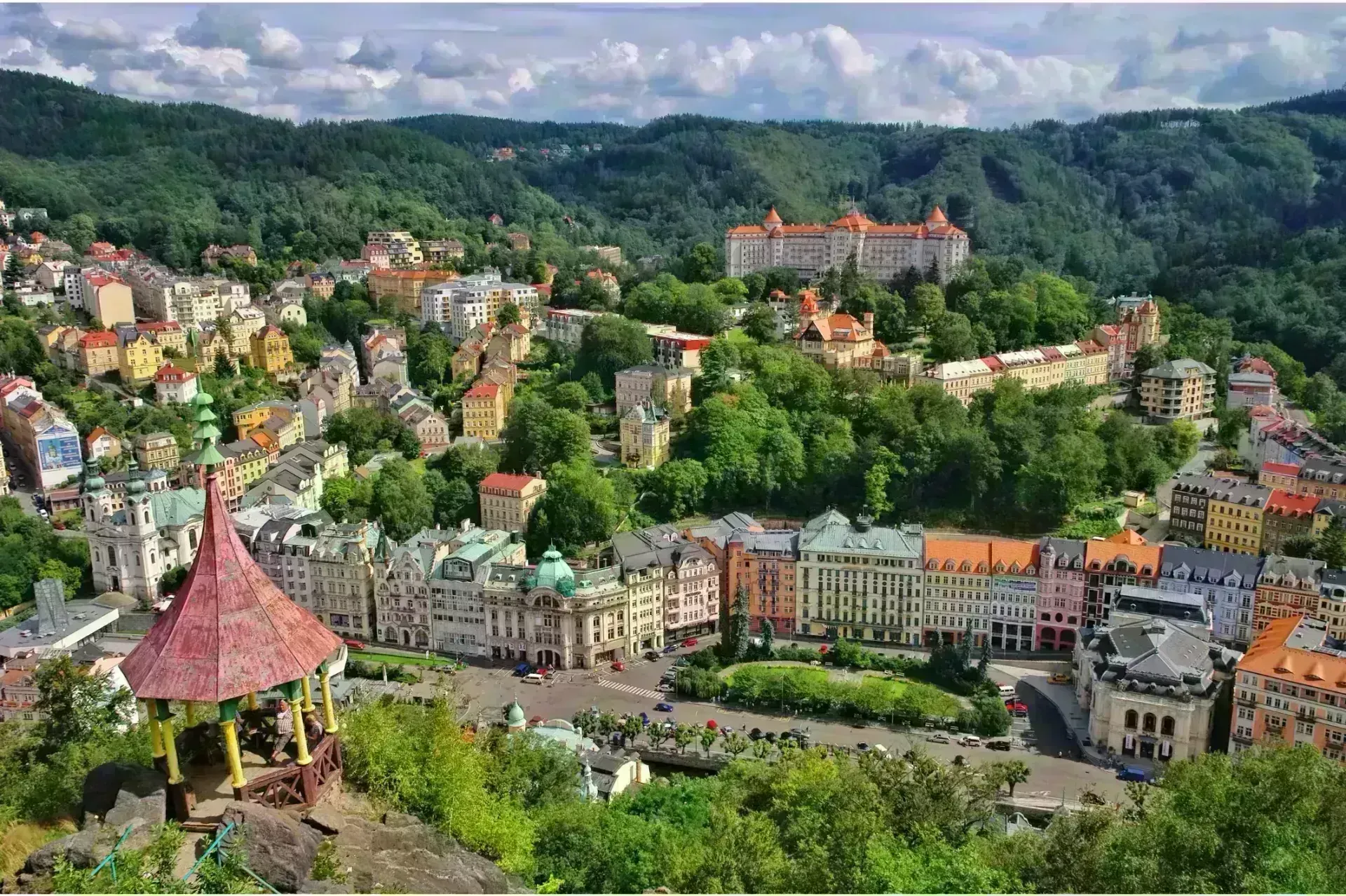
Check out **Deer Jump (Jelení skok)**, which has a famous chamois statue from 1804, or the quieter **Three Crosses (Tři kříže)** for a perspective of the town that most tourists miss. The air up there is totally different—pine trees instead of mineral steam. From these heights, you get a massive view of red rooftops tucked into a sea of green. It makes you realize that the "Karlovy Vary cure" isn't just about the water; it’s about the whole environment—the hiking, the fresh air, and the physical effort of getting above the valley.
Fire, Flood, and Resilience
One thing the locals will tell you is that this town is a survivor. It looks pristine now, but it’s been wiped out multiple times. A catastrophic fire on May 23, 1759, destroyed 224 houses—about two-thirds of the town—including the Town Hall and the original Castle Tower. This disaster is actually why the city looks the way it does today; it was rebuilt in the Late Baroque style that gives it that grand, unified feel. They’ve also survived catastrophic floods in 1582 and 1890, and Swedish raids during the Thirty Years' War. Every time, the community rebuilt grander than before.
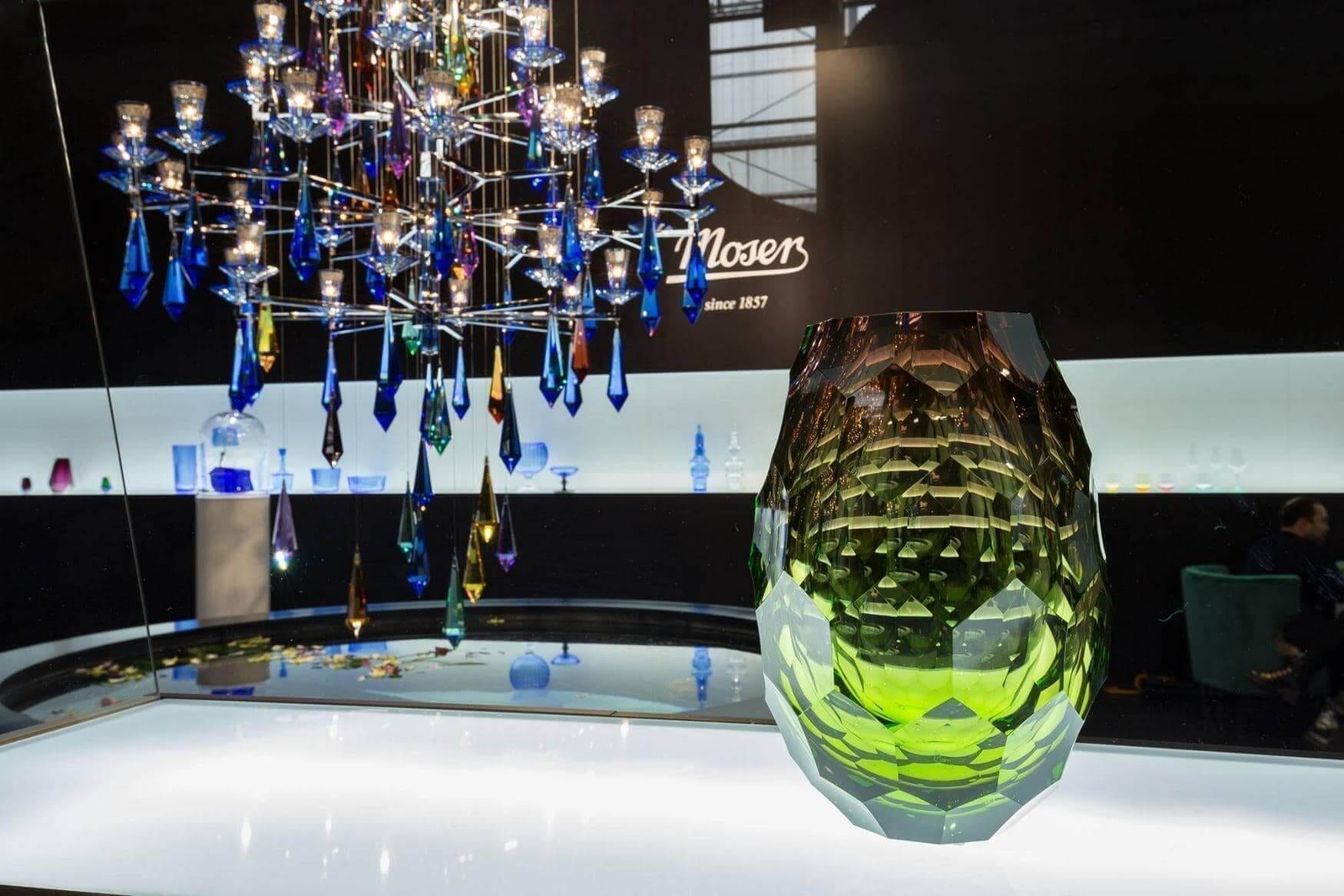
That resilience is what led to the town’s 19th-century boom. When the railway arrived in 1870, Karlovy Vary exploded onto the international scene. It wasn't just a Czech secret anymore; it was a global destination. You can see this legacy at the **Moser Glassworks**, founded in 1857. Known as the "Glass of Kings," Moser supplied crystal to everyone from the British royal family to the Persian Shah. Their lead-free crystal is famous for its unique colors and hardness, and you can still watch the master glassblowers work in their factory today.
A Modern Soundtrack
The biggest surprise for me was how Karlovy Vary feels today. It’s not just a place for retirees to soak their joints. The International Film Festival (KVIFF) turns the town into a massive party every year, drawing A-list stars and filmmakers from all over the world. You might recognize the colonnades and the Grandhotel Pupp from *Casino Royale*—Bond was here, and the town definitely has that cinematic vibe.
Even when the festival isn't on, there’s a real energy after dark. Small music venues and bars stay open late, and the Becherovka Museum keeps the daytime busy. The Karlovy Vary Region actually has the highest share of tourism-related employment in the country, at over 8%, and you can feel that dedicated hospitality in every shop and cafe. It’s a town that’s figured out how to keep its history relevant without becoming a boring museum piece.
Karlovy Vary is a balance of extremes. It’s the raw heat of the geyser versus the quiet of the forest; the 18th-century noble history versus the modern film festival glamour. If you go, do the spa stuff, but don't stop there. Drink the water (slowly!), hike to the Charles IV Lookout, eat the goulash, and look for the parts of the town that aren't on the postcards. It’s a place that’s much more alive than the brochures let on. Just remember to book your Diana funicular tickets in advance during the summer—it's a popular ride for a reason.