
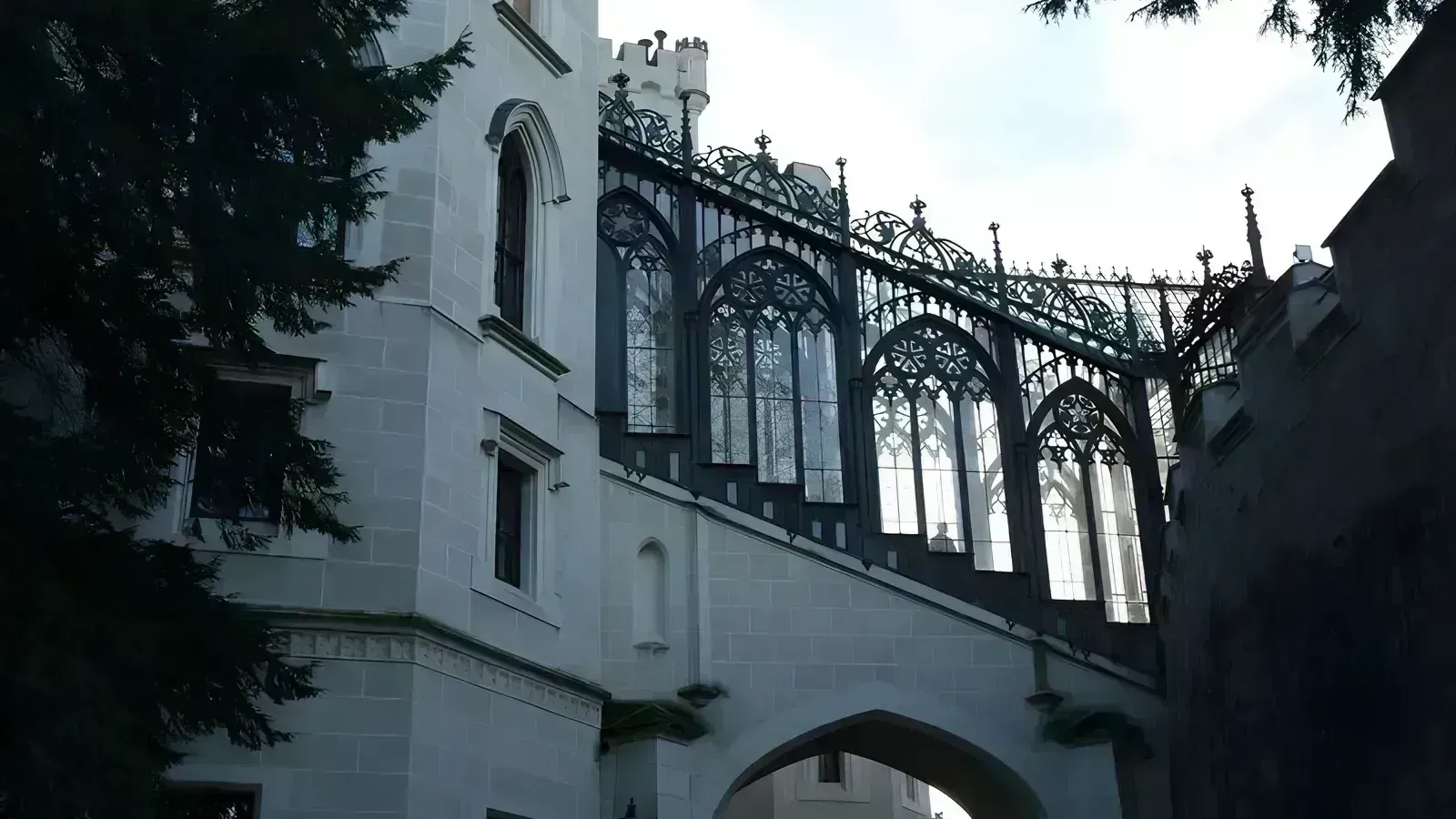
Every time I take a group to Hluboká nad Vltavou, there's a specific moment I wait for. We walk through the trees of the South Bohemian countryside, and then, suddenly, there it is. It doesn't just appear; it *erupts* out of the landscape in a mass of blindingly white stone and intricate turrets.
I remember the first time I saw it. I actually stopped and checked my map, wondering if I'd somehow taken a wrong turn and ended up in Berkshire. It looks like a vision from an English romance novel, only bigger and arguably more perfect than anything you'd find in the UK. It's the fourth most visited castle in the Czech Republic, and as soon as you see those battlements, you understand why. It was built to make a statement, and it's still making it.
A Royal Rebrand
Hluboká wasn't always this pretty. It started around 1250 as a Gothic royal fortress—a grim, grey military base designed to protect trade routes. It went through several hands before the Schwarzenberg family took over in 1661. They were the ones who really changed the game. In 1838, Prince Johann Adolf II and his wife Eleonora traveled to Great Britain for the coronation of Queen Victoria. They were so captivated by Windsor Castle that they decided to transform their family seat into a Tudor-style masterpiece.
Between 1840 and 1871, the couple poured their immense wealth into the project. Eleonora was the driving force behind the interiors, personally selecting architectural elements from catalogs to recreate the English aristocratic look. They brought in master European artisans to carve gargoyles, finials, and the kind of ornate windows that make your head spin. The courtyard alone, with its carved balconies and perfect symmetry, feels like a massive open-air stage designed for royal theater.
The Wood-Carved Heart
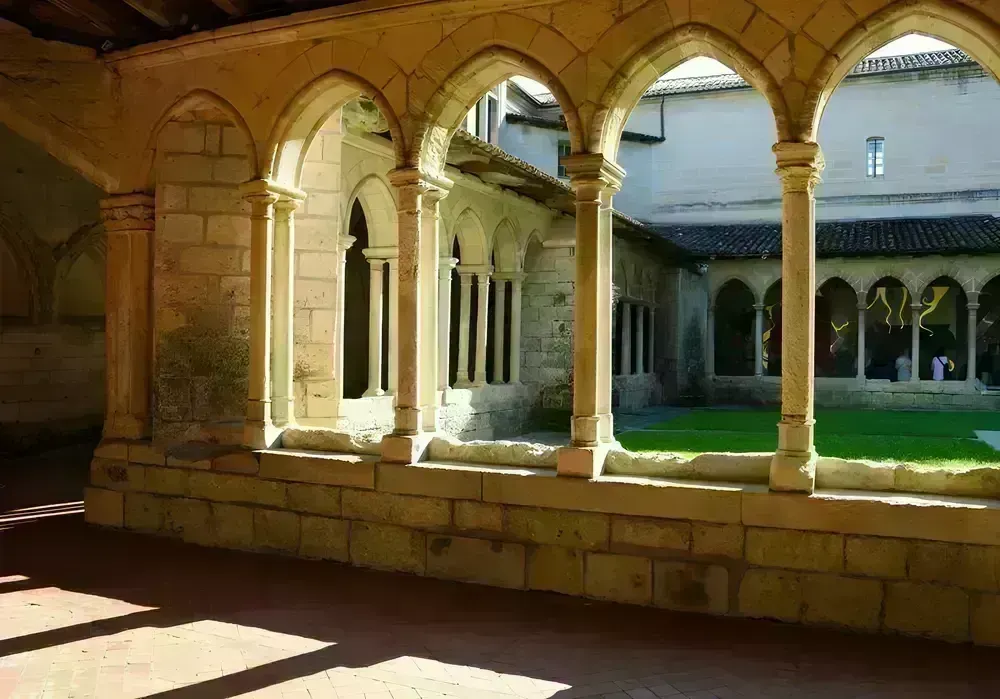
If you visit, I usually suggest the "Private Apartments" tour (Tour B) over the main representation rooms. It's more intimate and gives you a better look at how the Schwarzenbergs actually lived. Stepping inside is like walking into a different century—the light comes through stained glass windows and hits some of the most incredible wood carvings I've ever seen. The quality of the craftsmanship is staggering; for example, the elaborately carved mirror frame in the Reading Room reportedly took five woodcarvers **17 months** to finish.
In the private study, you can still see the original 19th-century chandeliers, some of which are made from deer antlers, reflecting the family's obsession with hunting. The castle also houses a massive library with **10,723 books** on Classicist shelves, featuring geographic and astronomical globes that remind you this was a house of intellect as much as wealth. One "weird" detail to look for? The door knockers and coat of arms often feature a raven pecking at a Turk's head—a grim symbol of the family's victory at the fortress of Raab in 1598.
A New Chapter
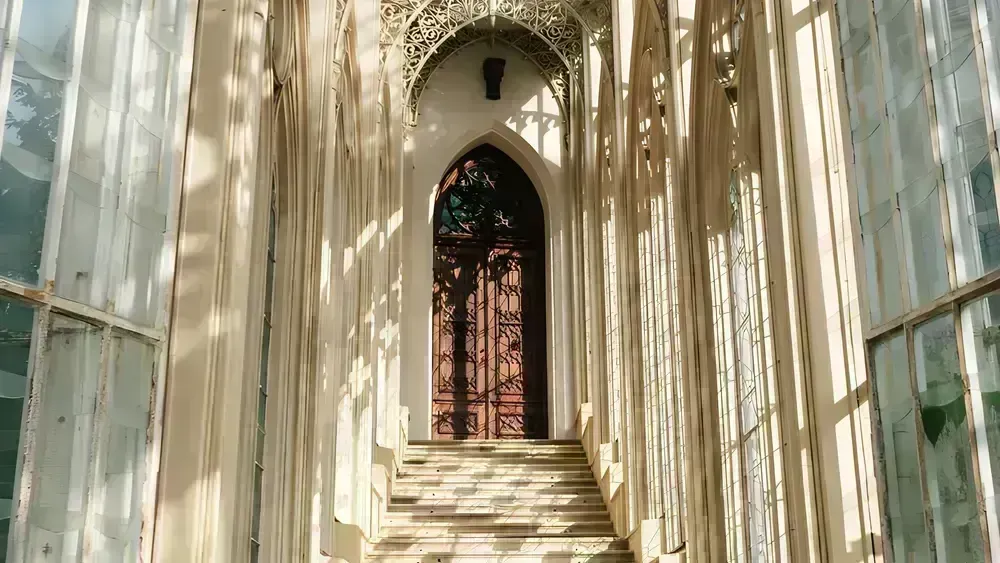
The Schwarzenberg era ended in 1947 in a pretty somber way. The family actually opposed the Nazis during World War II, but the new government confiscated the estate anyway under the Beneš Decrees. It was a huge shift—moving from the private playground of one family to a state-owned monument for the entire country. Since then, the castle has become a vital cultural hub. Check out the **Aleš South Bohemian Gallery** in the former castle riding hall; it holds one of the best collections of South Bohemian Gothic art in the world.
Seeing school groups running through the same courtyards where European royalty once stood is a cool reminder of how these spaces can find a new purpose. If you're lucky enough to be there in late August during "Castle Night" (Hradozámecká noc), they do special evening tours with costumed guides and period lighting that really bring the hunting season atmosphere of the 1800s back to life.
Jan's Pro-Tip: The Garden Walk
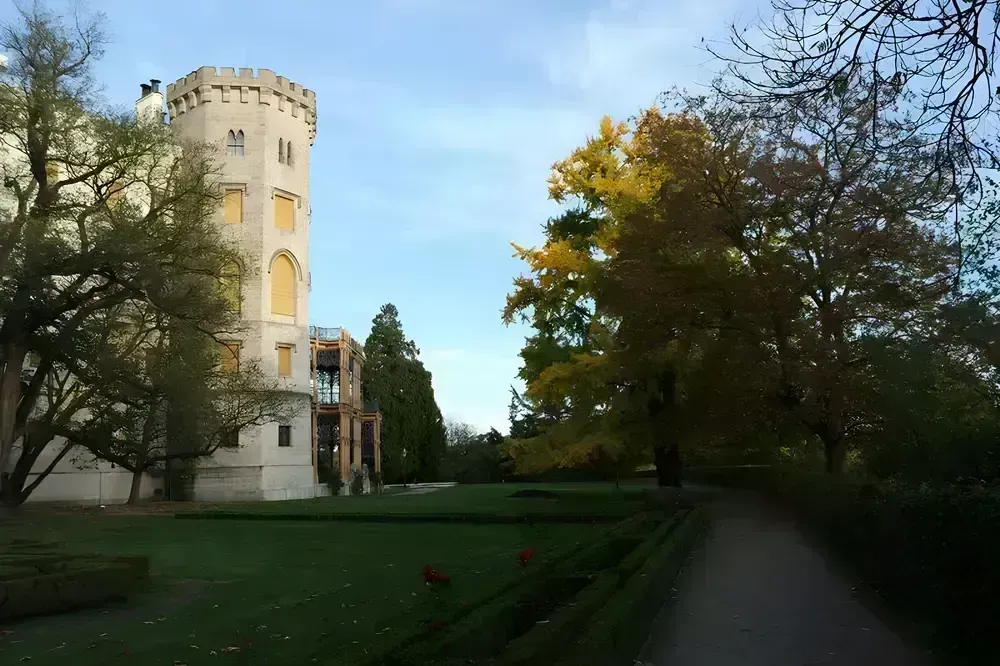
After you've had your fill of the interiors, take a walk in the gardens. They're perfectly maintained and offer a great contrast to the intense architecture of the chateau. It's a relaxing spot for a leisurely stroll, and you can even bring your dog (on a leash, of course). If you're looking for a more quiet viewpoint, head toward the far end of the park for a panorama of the Vltava valley that most people miss while they're queuing for the main tours.
Hluboká is a weird, beautiful mix of styles—a military fort that became a Renaissance palace and finally a Romantic English fantasy. It's a reminder that architecture is never just about buildings; it's about the people who built them and the stories they wanted to leave behind. If you're heading down to South Bohemia, Hluboká is a must. It's only about 20km from Český Krumlov, so it's easy to combine the two. Just make sure you give yourself enough time. Don't just look at the white facade—take the tour, walk the gardens, and try to peel back the layers of this Bohemian Windsor. You'll leave with a lot more than just good photos.