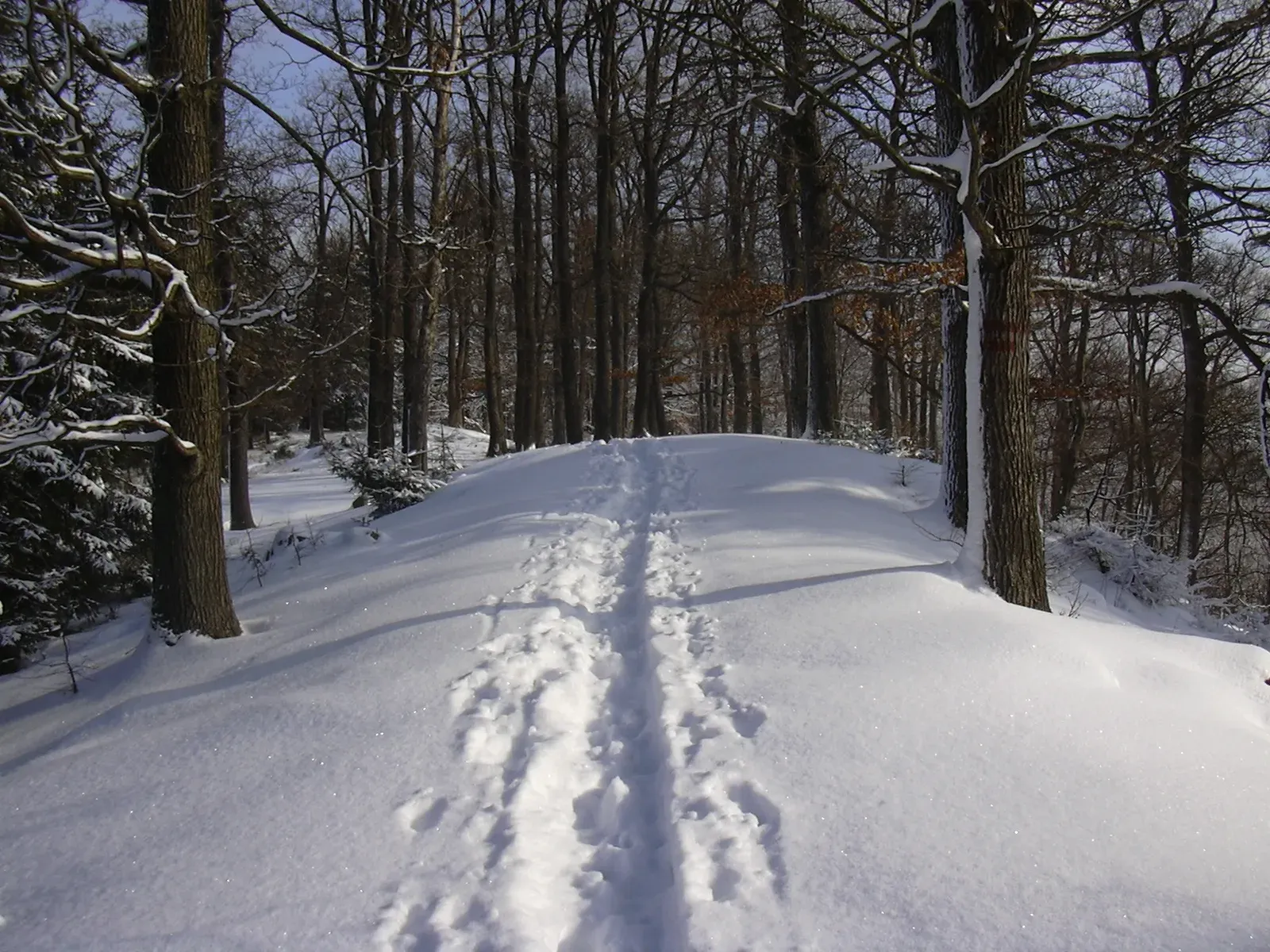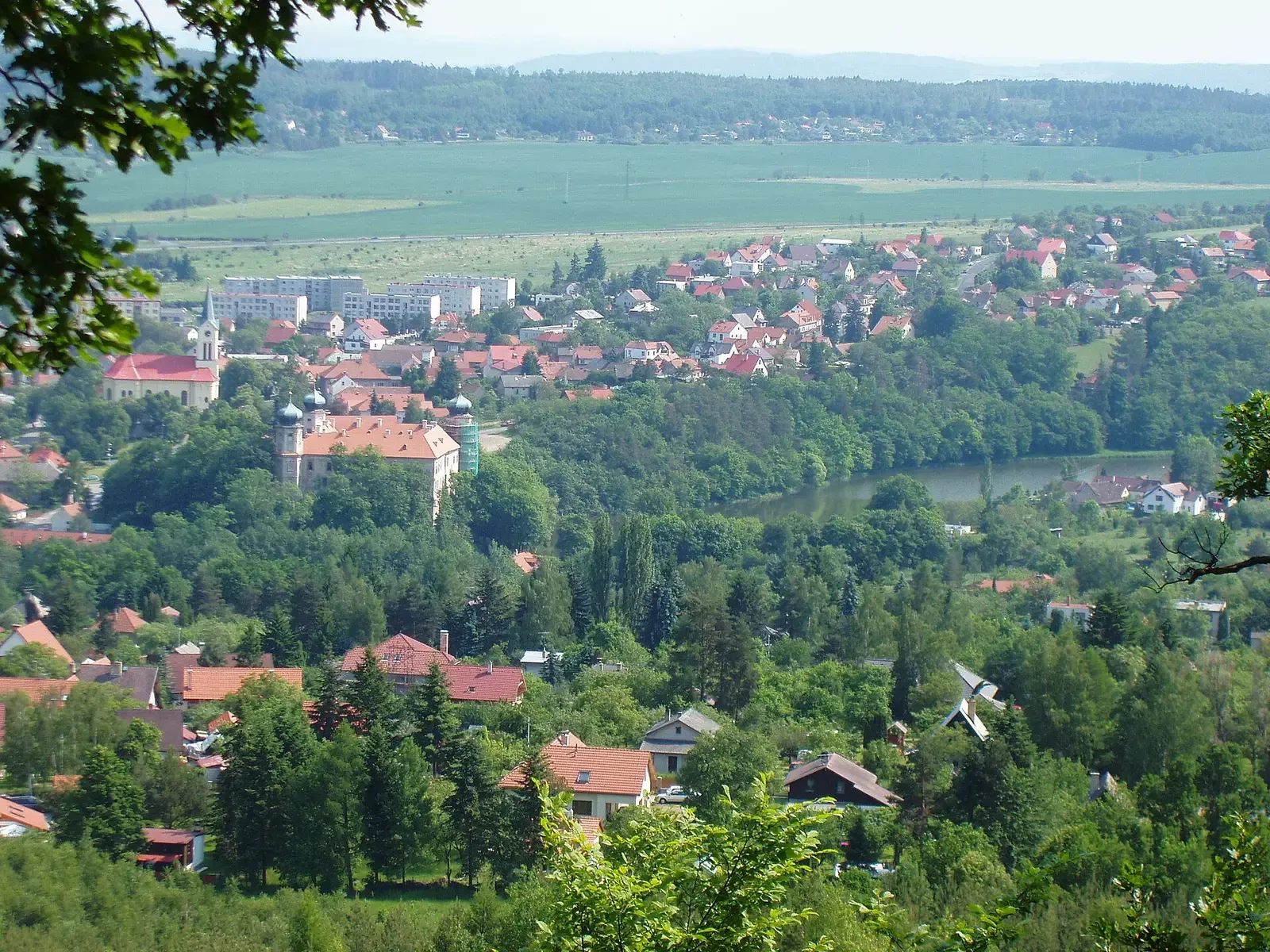
A sweeping view of the rugged, rolling landscape of the Hřebeny Highlands in Central Bohemia.

by JanApril 01, 2024

Chasing the Rain Shadow: Finding Wild Folklore in the Hřebeny Highlands

A sharp wind often cuts across the ridges here, carrying the taste of cold granite and dry earth. Even on a bright mid-morning, the sun high above the Hřebeny Highlands doesn't always offer much warmth.

It's a feeling unique to this part of Central Bohemia, a quick drive from Prague but a world away from the city noise. As you pull your hat down over your ears and take in the sweeping view, you realize this isn't the dramatic, jagged mountain terrain that draws global headlines. This is something altogether more subtle, rugged, and real.

The Hřebeny exists in its own microclimate bubble. The Brdy Mountains, standing guard just southwest, cast a substantial rain shadow here, influencing the local environment profoundly. Standing on the northeastern edge of the broader Brdská Highlands, it’s a hilly region that averages a chilly **7 to 9 °C annually**. You feel that cold, sharp air right down to your bones, even if the rainfall is surprisingly low, hovering between **500 to 600 mm a year**. That dry, cool reality shapes everything you see: the tough, wiry grass, the sturdy pines, and the way the light filters over the ridges. It's a place that asks for patience and observation, not speed.

It's at this intersection—where the commuter belts of modern life meet ancient, untamed nature—that a hike feels like an exploration, not just a workout. It's a chance to understand how a place so close to a bustling European capital can still hold onto its wild soul. Following the winding trails, keeping an eye out for geological intrigue, and catching a glimpse of the rich local culture is a spontaneous and rewarding experience.

The Hill of Loess and Lost Furrows: Witnessing Transformation

My first day took me through the lower slopes, where the terrain eased into gently sloping agricultural areas. The paths here were often soft underfoot, a rich, dusty brown. The fertile ground is largely composed of **weaker layers of loess clays** deposited over time. It’s geology you can feel—the density and fine grain of the soil clinging lightly to my boots as I traversed what were clearly old, extensively ploughed fields.

These farmlands tell a story of rapid change. For centuries, this area was defined by agriculture, sustaining the communities that spread across these hills. But today, the economy and focus have dramatically shifted. You can see the evidence of this **transformation from a predominantly agricultural society to one focused on residential and recreational activities** everywhere. You pass fewer tractors and more renovated farmhouses with satellite dishes, reflecting the fact that improved transportation links have encouraged urbanization.

It’s an interesting juxtaposition, hiking through fields that have likely been farmed for a thousand years, knowing that many of the residents now **commute for work** rather than turning the soil. Reaching a ridge line offers a wider panorama. Below, the landscape is a mosaic of dense forest and large fields, punctuated by smaller, modern settlements. The population here has actually been on the rise between 2001 and 2020, swelling with people seeking the natural respite of the highlands while maintaining access to city life. The Hřebeny Highlands truly serves as an important **leisure facility for the nearby capital city of Prague**, and the trails are clearly well-maintained for that purpose. Yet, every time you catch the glint of water in the distance—the tributaries of the Vltava and Berounka rivers that cut deep incisions into the landscape—you are reminded that the natural forces here are far older than any human economic trend.

Walking the Territory of Giants

[[image-left:hrobeny_forest_path]]

The deeper you venture into the hills, the more the forests close in. The hills become steeper, the air grows crisper, and the trails narrow. This is where the true ecological value of the Hřebeny region reveals itself. The density of the woods, the often **inaccessible high mountain ranges**, and the overall low human disturbance make this area a crucial refuge.

This isn’t just a beautiful forest; it’s a critical habitat.

Pausing by a cluster of older growth pines to observe a bird fluttering high above is a momentary, quiet reminder of the area’s rich biodiversity. The Hřebeny Highlands provides **crucial habitats for elusive mammals like the Eurasian lynx and even the occasional wolf**, which rely on these vast, unbroken forests. Hearing that in a briefing room is one thing; walking through the expansive, quiet territory they require to sustain their populations is another. It gives the term "off-the-beaten-path" a whole new gravity.

The survival of these species hinges on the **ecological integrity** of this region. It’s sobering to realize how many of these populations across Central Europe have faced pressure from habitat fragmentation due to urban sprawl and intensive agriculture. Yet, the Hřebeny, along with certain natural and semi-natural areas in Northern and Eastern Europe, manages to maintain these remnant populations. It makes you feel like an interloper, but a respectful one, knowing you are traversing a land that truly belongs to the wilder residents.

This awareness deepens one's appreciation for the area’s extensive conservation measures. It isn’t just passively beautiful; it is actively managed. The large-scale ecosystems here, the mountain ranges and forests, must connect seamlessly with smaller landscape features—like hedgerows and ponds—to support the migration and dispersal corridors necessary for these species. You are walking through a deliberate network designed to keep the wild world whole.

Green Belts and Shared Purpose

Following one of the many **extensive hiking trails** that crisscross the region, you might eventually come toward a small, shimmering pond tucked into a glen. Here, you can see direct evidence of the hands-on conservation work. Local volunteers, perhaps from an NGO or local stakeholders group, can be seen carefully working near the edge of the water, performing what looks like **desilting**—removing accumulated sediment to maintain the pond’s depth and health.

They might explain their work, noting that they are managing the habitat to prevent invasive species from taking over and that this work is crucial for the endemic species that rely on the water features.

This local commitment is part of a much larger, continent-wide effort. The Hřebeny region is integrated into the ambitious **European Green Belt (EGB) initiative**. The EGB is a massive ecological network established along the former Iron Curtain, aiming for transboundary cooperation in nature conservation. Seeing the collaborative efforts in action—local volunteers working alongside governmental bodies and academic institutions—is inspiring. They are prioritizing **biodiversity research and management strategies** to protect this living corridor.

This underscores a fundamental goal here: sustainable development. Conservation in Hřebeny isn't just about fences; it's about fostering **ecotourism opportunities** that highlight the region's natural beauty while providing economic benefits to local communities. It’s a delicate balance: promoting enjoyment and appreciation without overwhelming the very nature people come to see. The continuous **research and monitoring** conducted here ensures that the management practices are refined and align with both conservation goals and the sustainable use of natural resources. As a visitor, you feel like a small, temporary participant in a very important, long-term project.

The Sound of Cohesion: Folklore and the Fire

[[image-right:hrobeny_folklore_fire]]

It is in the late afternoon, after a long trek through a dense forest path, that the narrative of the landscape can change entirely. Emerging onto a slightly more open area—a small, rocky plateau overlooking one of the valleys—you might hear it: music.

Not amplified or commercial. The sound of voices, laughter, and a simple, melodic string instrument.

Curiosity often leads you to the edge of a small, informal gathering in a meadow adjacent to a cluster of older homes. It might be a spontaneous celebration—the kind you rarely encounter unless you are truly off the mapped route. There might be a low fire, shared food, and an atmosphere of incredible warmth and friendliness radiating from the group, just as regional cultural notes suggest.

Lingering respectfully, you might be waved over with a grin and an offering of locally baked bread. This interaction immediately pulls you out of a solitary hiking bubble and into the heart of the community.

As the evening wears on and stories are shared (mostly in rapid Czech, though the intent is clear), you realize you are witnessing the celebrated **rich tapestry of folklore and traditions** this area is famous for. The storytelling isn't just entertainment; it is a potent **cultural preservation tool**. The narratives being exchanged—about the seasons, about old family histories, about local characters—reflect a **strong oral tradition** that keeps the past generations linked to contemporary beliefs.

In that moment, listening to the cadence of their language and the genuine ease of their spontaneous gathering, you understand the power of community rituals. These events, whether planned (like the local **weddings and funerals** that reinforce social bonds) or entirely spontaneous, are crucial for **fostering identity and cohesion** within the group. You might be particularly fascinated by the snippets of stories that seem to reference a deep history, perhaps even **remnants of Old Slavic traditions** and reverence for natural elements, illustrating the historical depth that underlies modern life here.

This blend of the past and present is what makes Hřebeny so unique. Despite the pressures of modernization and urbanization that have brought new residents and changed economic structures, the core culture remains vibrant, rooted in shared joy and communal support. It is a powerful reminder that while the fields may have changed their purpose, and the forests now shelter endangered mammals, the human connection here remains fiercely protected and openly shared.

The Legacy in the Loess

As you hike out the next morning, leaving the sounds of the spontaneous celebration behind, you feel a deep sense of gratitude. The Hřebeny Highlands offers far more than just challenging trails and beautiful scenery. It offers context.

It shows a place managing the complex reality of being close to modern society while fighting fiercely to retain its wildness and its ancient heart. You see the geological history written in the fertile loess clays, the ecological necessity in the dense forests required by the wolf and the lynx, and the cultural strength in the lively, continuing oral tradition.

The conservation efforts here—the dedication to the European Green Belt, the habitat management, the careful monitoring—are not just scientific exercises. They are acts of cultural preservation. They ensure that the unique character of this moderately dry, hilly region remains intact for the generations of residents, commuters, and hikers who depend on it for both leisure and a sense of belonging.

If you come to Hřebeny, come ready to hike. The trails are extensive, and the air is cold and crisp. But more importantly, come ready to listen. Listen to the wind through the hills shaped by the rain shadow, listen for the quiet movement in the forests, and listen for the stories shared around a spontaneous fire. Respect the land, support the efforts of the local stewards who work tirelessly to maintain this critical ecosystem, and remember that you are stepping into a dynamic environment where the past is always talking to the present. Leave no trace, take only the memories, and allow the unique spirit of the Hřebeny Highlands to resonate deep within you.

Explore Related Tours

Inspired by this story? Check out these adventures.

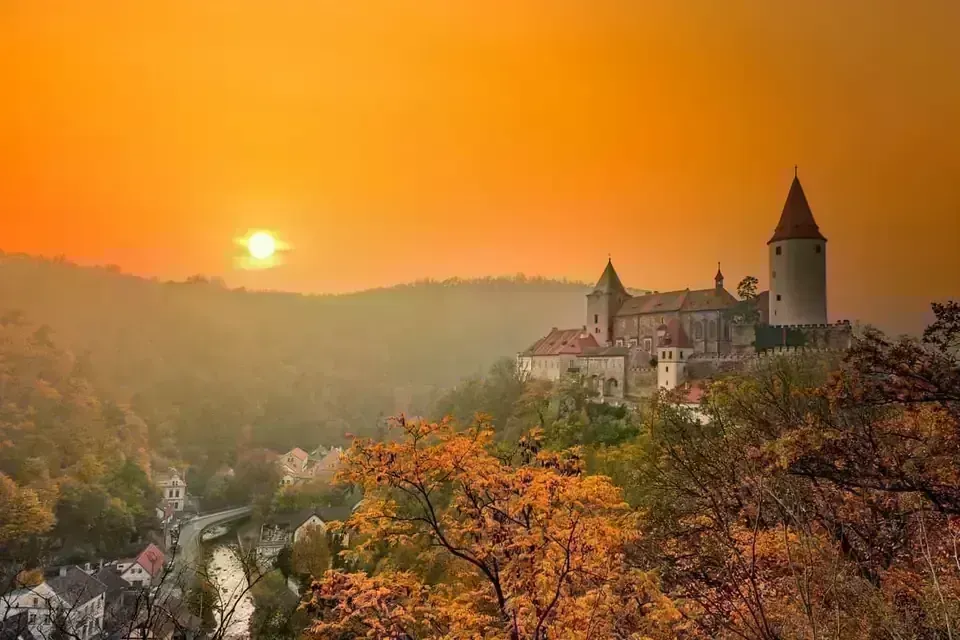
The imposing stone walls and main tower of Křivoklát Castle against a clear blue sky.
A full-day, guided or self-guided, private tour to Křivoklát, including transfers, castle admission, and train rides
Full Day (approx. 11 hours)
Moderate level
Max 15/16 travelers

From ... per person

View Details
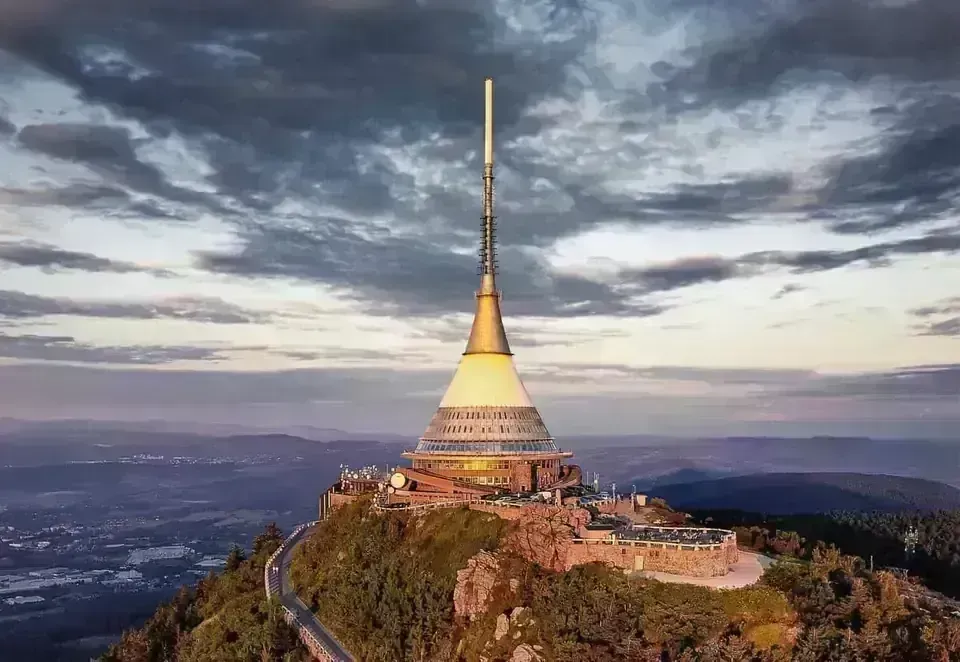
The futuristic Ještěd Tower on its mountain summit, viewed from a distance.
A full-day, self-guided or guided, private tour to Liberec and Ještěd, including transfers, and Zoo or Botanical Garden admission
Full Day (approx. 12 hours)
Moderate level
Max 15/16 travelers

From ... per person

View Details
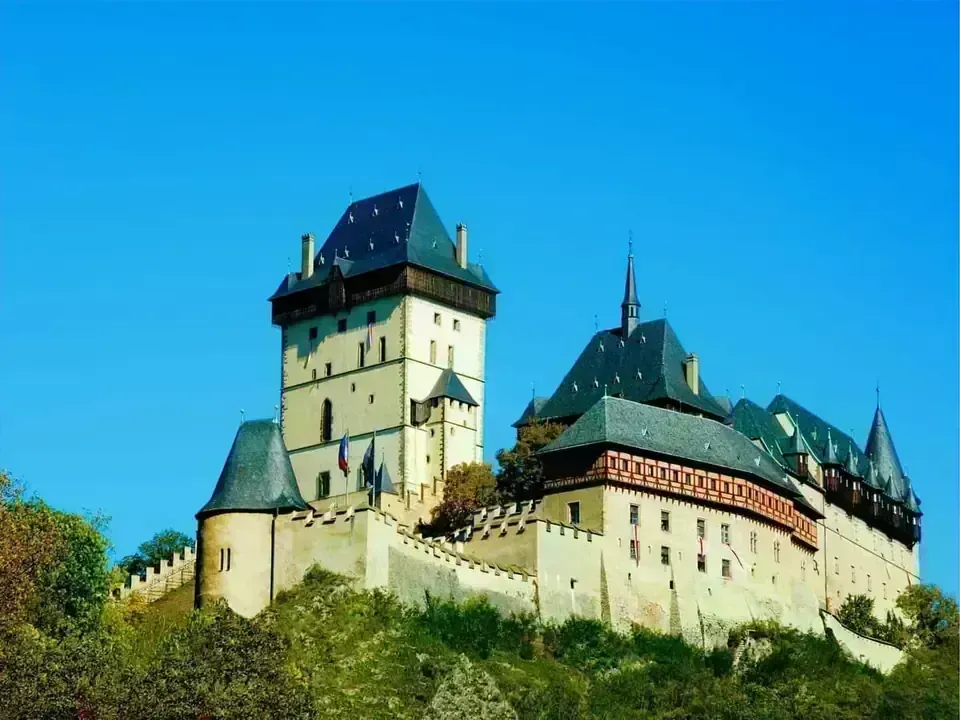
The majestic Karlštejn Castle viewed from a distance with the village below.
A 3-day private tour to Křivoklát and Karlštejn, including transfers, accommodation, castle tours, and train rides
3 Days / 2 Nights
Moderate level
Max 15/16 travelers

From ... per person

View Details

    We use cookies to enhance your experience. By continuing to visit this site you agree to our use of cookies. Learn more.